Graciosa Island in the Azores: what to see, where to stay and how to plan your trip
Graciosa Island in the Azores: what to see, where to stay and how to plan your trip
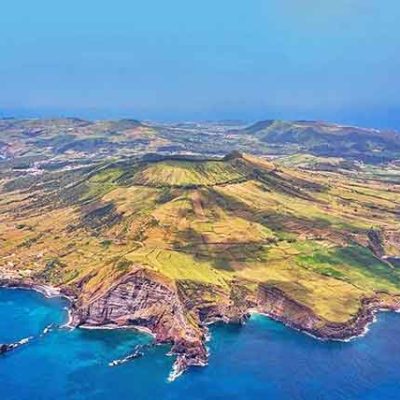
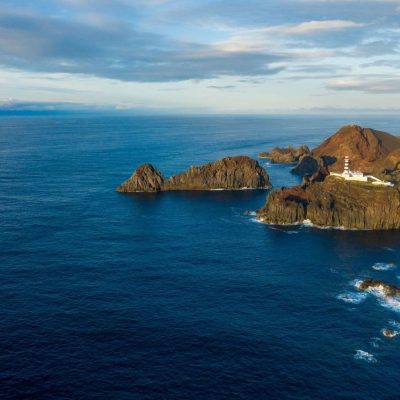
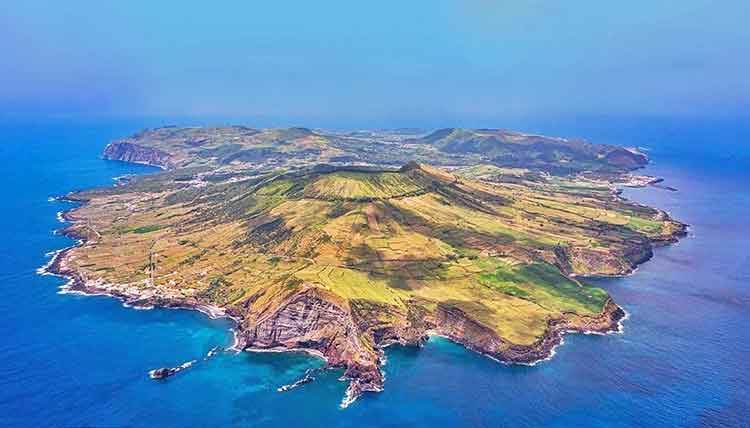
Graciosa Island is one of the quietest islands in the Azores and an excellent destination for travellers looking for volcanic landscapes, the ocean, thermal baths, small villages and a slower pace. Known as the White Island, it belongs to the archipelago's central group and is recognised as a UNESCO Biosphere Reserve. Unlike the busier islands, Graciosa invites you to slow down. The details make the trip: descending into Furna do Enxofre, relaxing at Termas do Carapacho, driving along rural roads between stone walls, seeing traditional windmills, tasting local queijadas and stopping at viewpoints above the coast. This guide covers the essentials for a holiday on Graciosa: what to visit, how many days to stay, how to get around, where to base yourself and which experiences reveal the island at its most authentic.Why visit Graciosa Island
Graciosa suits travellers who value peace, scenery, safety and contact with local life. It is small and easy to explore, yet has a distinct identity within the Azores. Its landscape blends farmland, vineyards, coastal areas, volcanic cones and compact settlements of pale houses that help explain its White Island nickname. It is also a rewarding choice for visitors who already know São Miguel, Terceira or Pico and want to experience a more intimate side of the archipelago. Graciosa is not about crowds or a long checklist of attractions. Its appeal lies in time, proximity and places best enjoyed without rushing.What to see on Graciosa
Furna do Enxofre and Caldeira da Graciosa
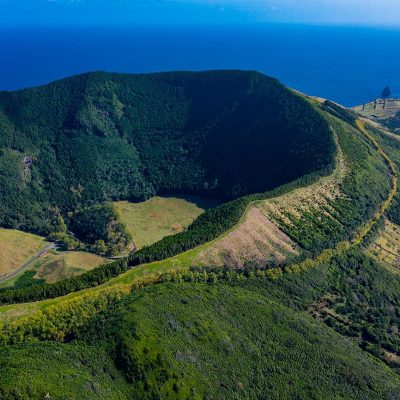
Furna do Enxofre is the island's best-known natural landmark. This remarkable volcanic cavern lies inside Caldeira da Graciosa and contains an underground lake with a very distinctive atmosphere. Visitors descend through a spiral tower, gaining a direct sense of the island's volcanic origin. Check opening times and access conditions before travelling there, as entry can depend on gas levels inside the cavern. It is an essential stop for anyone researching what to see on Graciosa and hoping to understand the geology of the Azores.Termas do Carapacho
The Termas do Carapacho thermal baths are another highlight. Set beside the ocean, they combine thermal water, coastal scenery and an atmosphere made for slowing down. The area fits particularly well into a two- or three-day stay. Nearby natural pools and the rocky shoreline make Carapacho one of the best places to unwind after exploring the island by car or on foot.Santa Cruz da Graciosa
Santa Cruz da Graciosa is the island's main town and a practical base for organising a stay. Its centre is compact and pleasant, with quiet streets, traditional architecture, churches, small squares and useful services for visitors staying several days. Accommodation near Santa Cruz offers easy access to restaurants, shops and roads across the island. Travellers who prefer a more rural experience can choose quieter properties outside town, often with open views and very little noise.Praia, São Mateus and the south coast
The Praia area, also associated with São Mateus, is one of Graciosa's most appealing coastal zones. It brings together ocean views, small harbours, bathing areas and a close relationship with fishing and everyday island life. It is a good place for a walk, a quiet pause by the sea and a meal based on fresh fish or regional produce. On clear days, the south coast shows one of the island's brightest and most inviting landscapes.Viewpoints, windmills and rural scenery
Much of Graciosa's charm lies beyond its headline attractions. Viewpoints such as Serra Branca, traditional windmills, farmland and minor roads reveal the island's small scale and unhurried character. Allow time to drive slowly, stop at higher ground and watch the landscape shift between fields, ocean and villages. On Graciosa, the journey between places is part of the experience.How many days do you need on Graciosa?
Two full days are enough to see the essentials, including Furna do Enxofre, Carapacho, Santa Cruz, Praia and several viewpoints. A stay of three or four days, however, gives a better balance: more time for natural pools and short walks, and useful flexibility when the weather changes. If Graciosa is part of a wider trip through the central group, it can be combined with Terceira, São Jorge, Pico or Faial, depending on the flights and ferries operating on your travel dates.Island-hopping idea
Graciosa and the central group of the Azores
Graciosa works well as the peaceful part of a central Azores itinerary. Pair its gentle pace with the fajãs of São Jorge, Mount Pico, Faial's bay or the heritage of Terceira. Always check the flights and ferries available for your dates before fixing the order of the islands.
Planning tip
Plan accommodation and transport together on Graciosa
The island is small, but many of its most rewarding places lie outside the main town. Choosing the right base and keeping some flexibility for transport makes it easier to visit Furna do Enxofre, Carapacho, viewpoints and bathing areas.
How to get around Graciosa
A car is the most practical way to explore independently. Distances are short, but relying only on fixed schedules or occasional transfers can limit the day, especially when combining viewpoints, thermal baths, the coast and small villages. Graciosa can also be experienced more slowly through short walks and coastal routes. For travellers interested in photography, rural scenery and unhurried days, this is one of the most enjoyable ways to connect with the island.Where to stay on Graciosa Island
When choosing accommodation on Graciosa, start with the type of trip you want. Santa Cruz da Graciosa and nearby areas are convenient for services. Rural homes, sea-view properties and quieter locations suit travellers whose priority is rest and privacy. AL Rental aims to bring travellers and local hosts closer together, giving greater visibility to distinctive accommodation and a more direct relationship. On Graciosa, that can mean choosing a stay with character for a couple, a family or an independent traveller who wants to experience the island beyond the largest booking platforms. A good holiday rental on Graciosa should offer comfort, a location that makes sense for the itinerary and clear information about access, parking and travel times to the main sights.Affiliate links: we may earn a commission at no extra cost to you.
Affiliate link
Food and local flavours
Local food is an important part of the trip. Queijadas da Graciosa are the island's best-known sweet and deserve a place on any itinerary. Fresh fish, regional dishes, cheese, wine and produce linked to the island's farming tradition are also worth seeking out. Eating on Graciosa is often simple and genuine. As with the scenery, the strongest experiences come from authenticity and a clear connection to the island.Best time to visit Graciosa
Graciosa can be visited throughout the year, but spring, summer and early autumn bring longer days and better opportunities for natural pools, coastal walks and inter-island travel. Weather in the Azores can still change quickly, so a flexible plan is valuable in every season. Travelling outside the busiest weeks can improve accommodation availability and make the island's naturally peaceful atmosphere even more noticeable.A three-day Graciosa itinerary
Day 1: Santa Cruz, Praia and viewpoints
Begin in Santa Cruz da Graciosa, explore the centre, continue to Praia and finish at a viewpoint overlooking the coast. This is an easy introduction to the island's pace and scale.Day 2: Furna do Enxofre and the Caldeira
Use the second day for Graciosa's volcanic landscape. Visit the Caldeira, descend into Furna do Enxofre if conditions allow and add stops in rural areas and at panoramic viewpoints.Day 3: Carapacho and the south coast
Spend the third day at Carapacho, the thermal baths, natural pools and south coast. In summer or during calm weather, it can be the most relaxing day of the stay.Frequently asked questions about Graciosa Island
Is Graciosa Island worth visiting?
Yes. Graciosa is ideal for travellers seeking a quiet and authentic island with volcanic landscapes, thermal baths, an attractive coast and fewer crowds than the best-known Azorean destinations.
How many days do you need to explore Graciosa?
Two full days cover the essentials, while three or four allow time for Furna do Enxofre, Carapacho, Santa Cruz, viewpoints, natural pools and possible weather changes.
What is the most famous place on Graciosa?
Furna do Enxofre is the island's signature sight. The volcanic cavern lies inside Caldeira da Graciosa and is one of the archipelago's most unusual geological visits.
Do you need a car on Graciosa?
It is not essential, but it is highly recommended. A car makes it much easier to reach viewpoints, Carapacho, the Caldeira, Furna do Enxofre and rural areas.
Where is the best place to stay on Graciosa Island?
Santa Cruz da Graciosa is convenient for services and road connections. For a quieter stay, consider rural homes or sea-view accommodation elsewhere on the island.
Graciosa: an island for slowing down
Graciosa is a place to breathe deeply and travel with time. It does not need to compete with other islands in the Azores because its value lies precisely in its calm atmosphere, human scale and authenticity. If you want a Graciosa holiday built around nature, the ocean, thermal baths, local food and accommodation with character, this is one of the archipelago's most rewarding islands to discover slowly.