Pico Island in the Azores: what to see, where to stay and how to plan your trip
Pico Island offers one of the most recognisable landscapes in the Azores. The mountain dominates the skyline, vines grow between walls of black lava stone and the Atlantic is always present: on the crossing to Faial, at natural pools, along coastal roads and during whale-watching trips. For travellers interested in nature, wine, volcanic scenery and peaceful accommodation, Pico is a distinctive choice. This is not an island to rush. A rewarding itinerary combines viewpoints, the coast, local food, whaling heritage, vineyards and, for those who are prepared, the ascent of Mount Pico.Why visit Pico Island in the Azores?
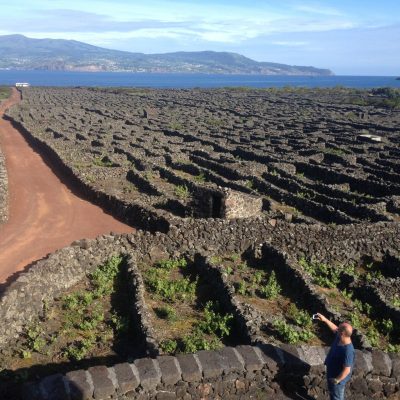
Pico has a particularly strong identity within the archipelago. It is home to Portugal's highest point, but the island is about far more than the mountain. Its UNESCO-listed vineyard landscape reveals a unique relationship between people, lava and the ocean. Coastal towns keep an unhurried rhythm and a close connection with the sea. Pico is also a good choice for travellers seeking a less urban experience. Accommodation can become part of the trip itself: a sea-view house, a stay near the vineyards, a base in Madalena for boat connections to Faial or a quiet rural property in which to rest after a day of exploring.What to see on Pico Island
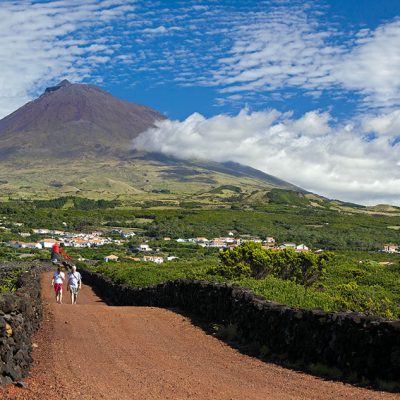
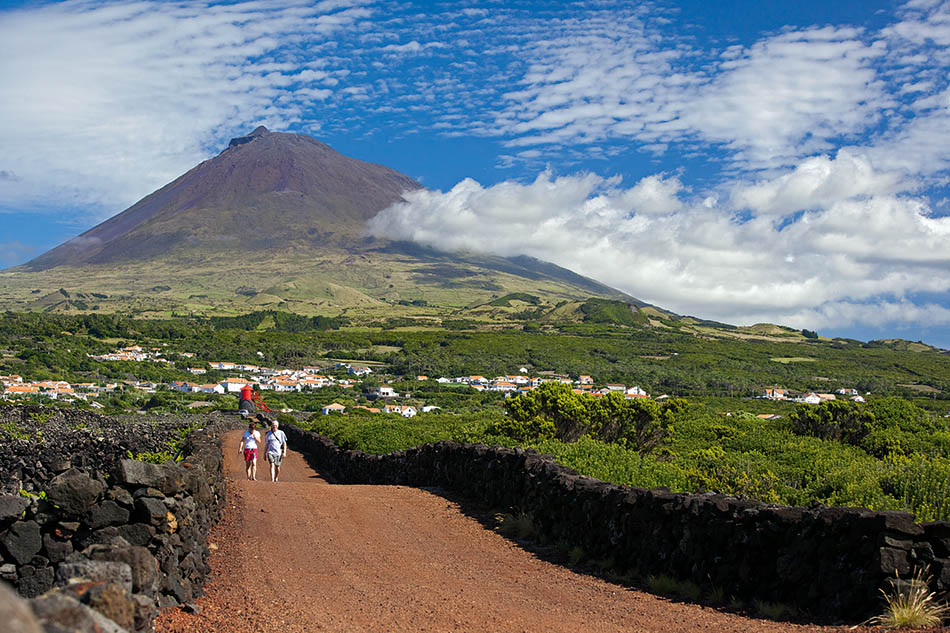
Mount Pico is the island's defining landmark. Climbing it requires physical preparation, an advance booking, suitable equipment and careful attention to weather conditions. Even if you do not climb, the mountain follows the journey, appearing and disappearing behind clouds throughout the day. The Landscape of the Pico Island Vineyard Culture is another essential visit. Lava-stone walls protect the vines from wind and salt, creating a black, green and deeply Atlantic landscape found nowhere else. Lajido and Criação Velha are among the most interesting areas for understanding this tradition. Madalena is a practical base for many visitors. It has boat connections to Faial, restaurants, services and easy access to the vineyards and western coast. Views across the channel towards Faial are a classic feature of the town. Lajes do Pico retains a strong link with the island's whaling history and with present-day whale- and dolphin-watching tours. It is a maritime town with museums and a distinctly local atmosphere. São Roque do Pico is another useful base, particularly for exploring the north coast. The island also has lakes, viewpoints, natural pools, interior roads and volcanic landscapes that reward a flexible schedule.How many days do you need on Pico?
For a first visit, plan to stay for three to five nights. Two days cover some main sights, but feel short if you want to include vineyards, the coast, museums, whale watching or a mountain climb. Four or five days make it easier to adapt the itinerary to the weather and experience the island at a better pace. A simple plan could include one day for Madalena and the vineyards, one for Lajes and the south coast, another for São Roque and the north coast, and a flexible day for the mountain, lakes, an ocean activity or rest.Where to stay on Pico Island
Madalena is the most convenient choice for services, restaurants and the connection to Faial. Lajes do Pico works well for ocean-based activities, while São Roque do Pico is useful for exploring the north coast. Rural and coastal areas suit travellers whose priorities are silence, scenery and a closer connection with nature. At AL Rental, we recommend matching the base to the type of trip. A well-connected location saves time on a short visit. For a longer stay, a house with a good view, straightforward parking and easy access to the main roads can be especially worthwhile.Hiring a car on Pico Island
A car is highly recommended for reaching vineyards, viewpoints, natural pools, lakes and accommodation outside the main towns. Compare options before travelling and check insurance, collection times and rental conditions carefully.
Affiliate links: we may earn a commission at no extra cost to you.
Affiliate link
Affiliate link
Experiences and activities on Pico
Pico's most popular experiences usually involve the mountain, the ocean, vineyards and local culture. Whale and dolphin watching, winery visits, guided walks and coastal tours can add depth to a stay on the island. Browse available activities on GetYourGuide, and always confirm the duration, meeting point, language and cancellation policy before booking.Practical planning advice
Weather on Pico can change quickly, particularly at higher elevations. If you intend to climb the mountain, plan ahead and do not rely on a single morning. For onward travel to Faial or São Jorge, check ferry timetables and leave room for changes. Bring comfortable footwear, layered clothing and some unallocated time. Pico rewards slow travel: stopping at a viewpoint, tasting local wine, walking between lava walls or simply watching the mountain can be every bit as memorable as visiting the best-known sights. For a wider central-group itinerary, compare Pico with our guides to São Jorge, Graciosa and Terceira.Experiences for your trip: Pico
Compare meeting points, times and inclusions before booking. Availability depends on your dates and local conditions.
Affiliate link
Frequently asked questions about Pico Island
A volcanic, peaceful and memorable island
Pico offers one of the most powerful journeys in the Azores. The mountain commands attention, the vineyards tell a unique story and the ocean gives each day depth. With a well-chosen base, planned transport and enough time to adapt to the weather, the island reveals itself slowly and leaves a lasting impression.