



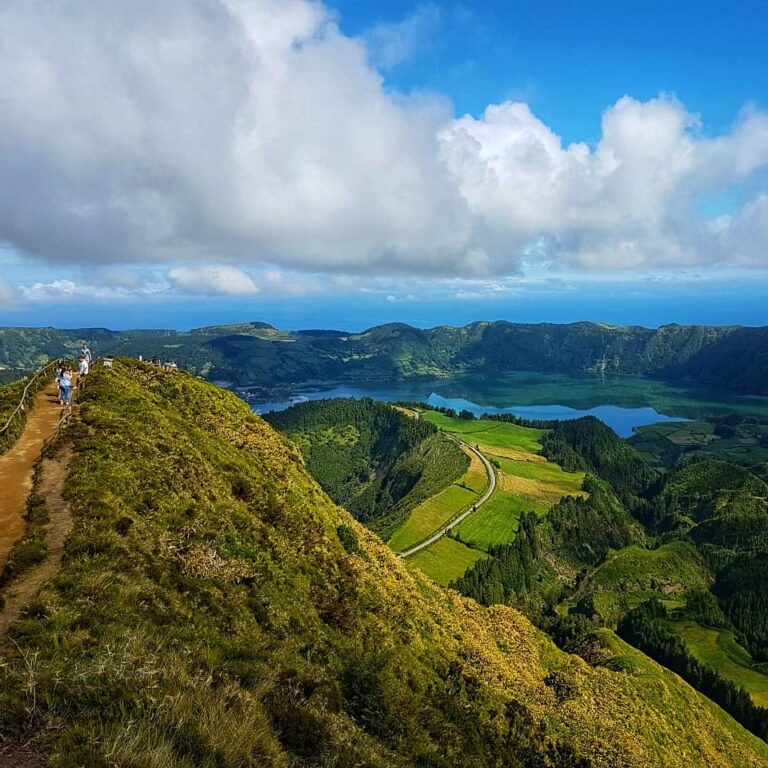
Packing for the Azores: the essentials
Pack a lightweight waterproof jacket, layer your clothing, wear shoes with good grip, bring a small backpack, sun protection, and keep a change of dry clothes handy. Even in summer, wind, fog, and rain can occur in the same day; the goal is not to pack a lot, but to combine versatile pieces.
The ideal suitcase depends on the islands, the season, and the activities, but it should allow you to comfortably move from a humid viewpoint to a coastal area.
Knowing what to pack for the Azores prevents you from buying unnecessary clothes and, above all, avoids missing a hike or walk because all your shoes got wet. The oceanic climate favors rapid changes, and the perceived temperature can vary between the coast, lagoon, and altitude.
This list is designed for real-life travel: carry-on luggage, rental car, spas, whale watching, hiking, and photography. Adjust quantities to the duration of your trip, but keep the principle of layering and quick-drying in mind.
Layering clothes: the most useful rule
Start with a breathable top, add a light thermal layer when needed, and finish with a waterproof windbreaker. This combination takes up less space than several jackets and is suitable for car rides, coastal walks, and high altitudes.
Avoid relying on heavy cotton on damp trails. A garment that takes a long time to dry can remain uncomfortable for several days. Pack colorful and combinable pieces to reduce bulk.
Summer
T-shirts, a thin layer of waterproof clothing, lightweight trousers, and a warm layer for boating or altitude.
Winter
More thermal clothing, extra socks, an effective waterproof jacket, and water-resistant footwear.
Spring and autumn
A mix of light and warm pieces, always with accessible rain protection.
In the car
Keep a dry change of clothes, a small towel, and a bag for wet laundry.
Footwear for trails, city and spas
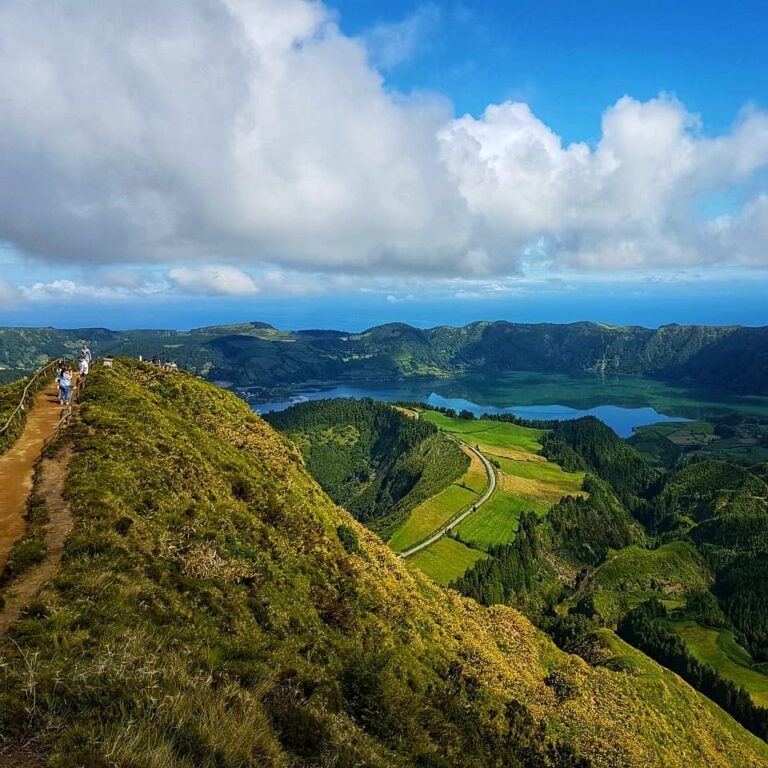
For hiking, choose soles with good grip and shoes that have already been worn before the trip. New boots can cause blisters on the first day. For city driving and meals, a second lightweight pair of shoes will prevent you from having to wear wet footwear.
Flip-flops are useful in thermal baths and accommodations, but they are no substitute for secure shoes at viewpoints. In volcanic areas, wet rocks and roots require caution.
Day backpack and organization
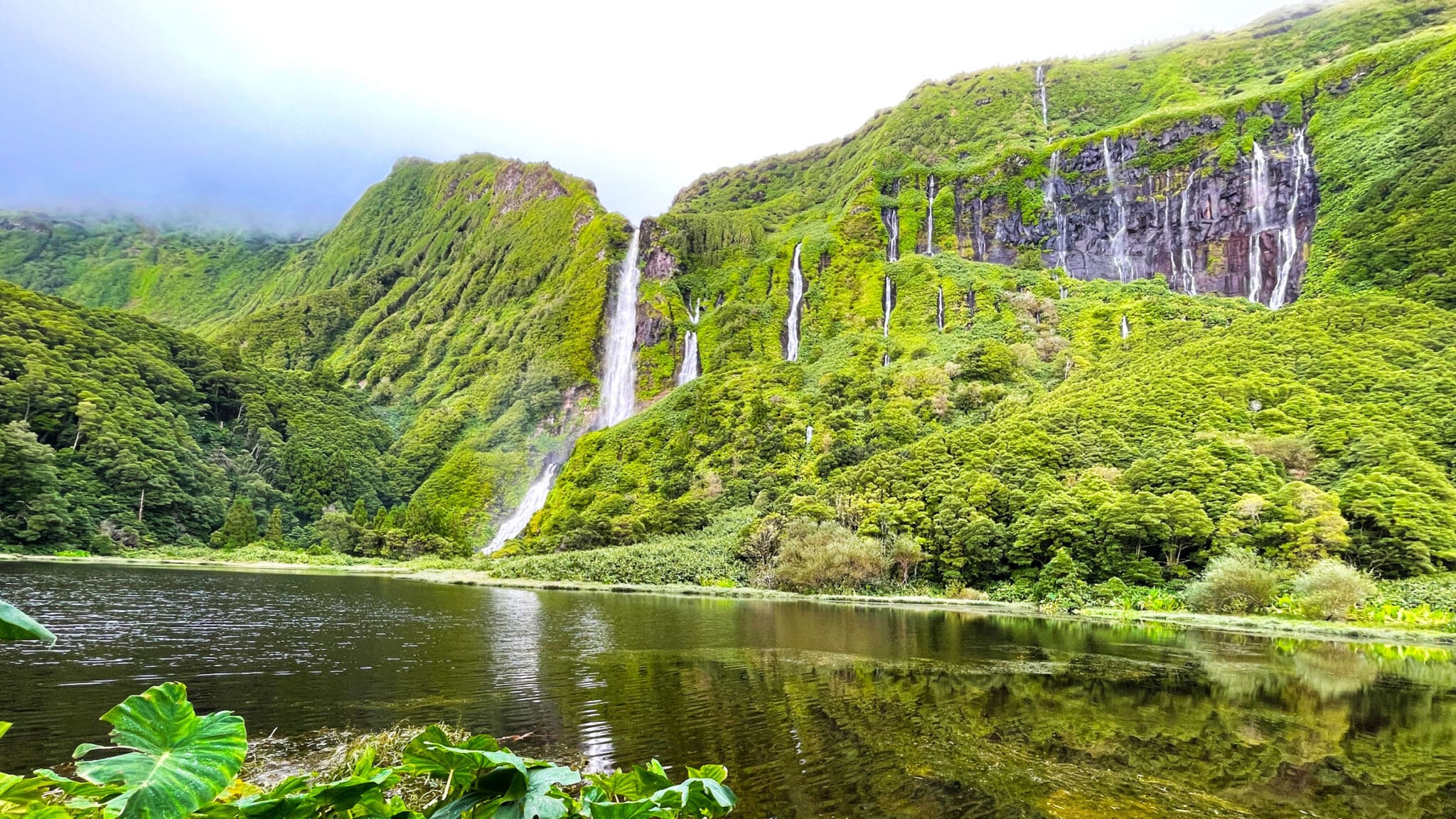
A 15-25 liter backpack is sufficient for water, a waterproof jacket, a warm layer, snacks, a battery, and a small first-aid kit. Use a dry bag or internal pouches for documents and electronics.
Distribute the weight evenly and don't leave any visible objects in the vehicle. On sea voyages, confirm what the operator provides and protect equipment from splashes.
- Reusable bottle and snack.
- Waterproof and accessible without disassembling the suitcase.
- Power bank and cable.
- Bag for wet clothes.
- Offline map and saved addresses.
What to pack for hiking in the Azores
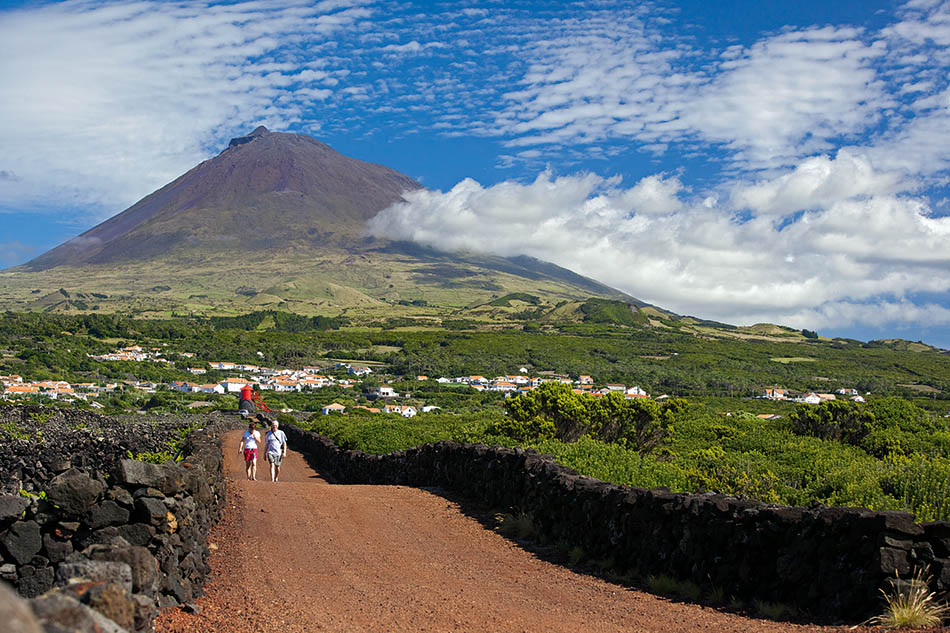
In addition to footwear, bring water, appropriate food, sun protection, and clothing. Download the route map, check its official status, and avoid starting late. Some trails cross areas without cell phone service.
Hiking poles can help on descents, but they don't compensate for a lack of preparation. For demanding hikes or climbing Pico, follow specific requirements, make reservations, and seek professional guidance when applicable.
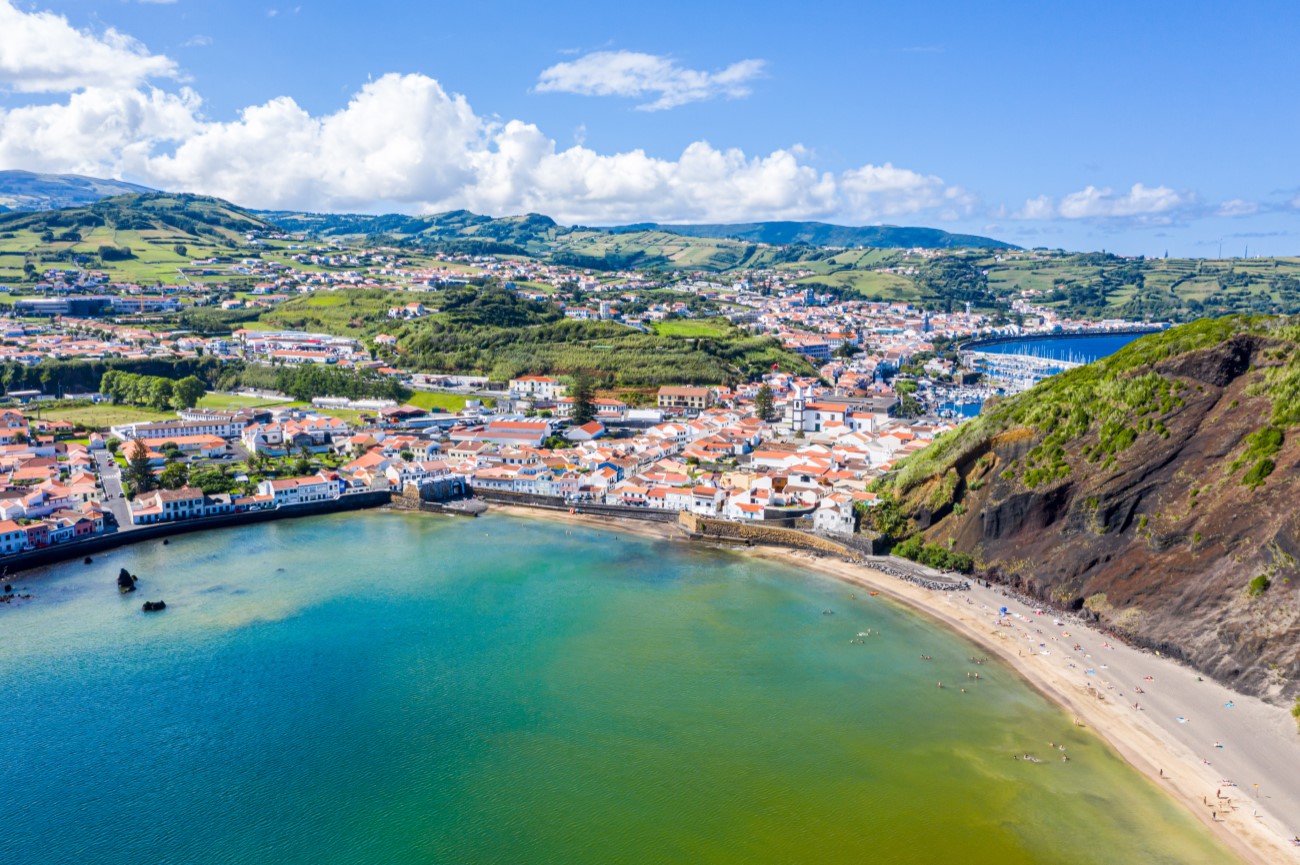
Hot springs, natural pools and the sea.
Bring a swimsuit, quick-drying towel, flip-flops, and a separate bag. In the hot springs, some minerals can stain light-colored fabrics; wear a dark, simple swimsuit.
For natural pools, water shoes can be useful, but check sea conditions. Never enter the water just because other people are already there; respect signage and safety guidelines.
Documents, health and driving
Keep your identification, driver's license, cards, insurance policy, and reservations in digital and offline format. If you use medication, carry enough and your prescription when necessary.
In the car, confirm the warning triangle, vest, and contract terms. A phone holder and charger make navigation easier, but download maps because coverage varies.
Photography and electronics
Pack less and protect it better. A versatile lens, microfiber cloth, and extra battery are more practical than a heavy backpack on trails. Wind makes tripods unstable, and humidity requires caution.
Do not fly drones without checking regulations, protected areas, airports, and privacy. In many zones, authorization or context makes their use inappropriate.
What's not worth taking
Large umbrellas don't work well in the wind; heavy coats take up space; too many shoes make getting around difficult. You also don't need to bring food for the entire trip: buy locally and support island businesses.
Avoid a rigid printed agenda. Keep essential reservations, but keep your day flexible. The best tool for the Azores remains a margin of time.
How to turn this guide into a realistic plan.
Start by writing down the main objective of your trip and the limit you don't want to exceed on a single line. This could be driving for a maximum of one hour per day, staying near the beach, ensuring snow, avoiding changes of accommodation, or sticking to your overall budget. This sentence helps eliminate options that look good on the map but are incompatible with the actual trip.
Next, confirm island locations, inter-island flights, ocean weather, and vehicle availability. Only when these elements are clear should you book secondary experiences. In the Azores, an efficient itinerary allows for weather, traffic, or fatigue and avoids relying on a single attraction to justify the entire day.
Planning for 3, 5 and 7 days
3-day getaway
Choose one base and two priorities. The first day should focus on arrival; the second concentrates on the main experience; the third is close to the departure route. Don't use a short trip to test multiple bases, because check-ins and baggage will consume what seemed like available time.
5-day trip
Add an excursion, a nature day, or a second zone, keeping at least half a day flexible. Five days allows you to alternate between activity and rest, and correct a choice affected by the weather without eliminating the rest of the itinerary.
7-day holiday
In a week, allocate three essential days, two complementary days, and two light blocks. Repeating a beach, a valley, or a city is not a waste: it reduces travel and improves the experience. A week should only have two bases when there is a clear geographical reason.
Budget: compare the total cost
The price per night is only one part of the equation. Add in arrival transport, transfers, parking, meals, entrance fees, equipment, and cancellation fees. Central accommodation might cost more but save you two taxi fares a day; a detached house might be excellent for a group with a car but not very practical for someone without a car.
Book the less popular options first and leave the locally arranged arrangements for later. Read the cancellation policy and don't confuse non-refundable fares with automatic savings. Flexibility is valuable when your trip depends on sea, mountains, or connecting flights.
Safety and up-to-date information
Schedules, access routes, trails, roads, and sea conditions are subject to change. Consult official sources closer to the date and reconfirm the day before. An old publication or photograph is not a substitute for signage, weather warnings, or local instructions.
Save documents, addresses, and reservations offline. Share the demanding activity plan and don't force a step to meet the schedule. Changing the route due to rain, heat, wind, or snow is a quality decision, not a failure.
Travel with respect for your destination.
Park only where permitted, take your trash with you, keep your distance from animals, and respect private property. In historical centers and residential buildings, reduce noise and follow the rules of the accommodation. Tourism growth is only sustainable when visits do not worsen the daily lives of those who live in the area.
Choose identified operators, local businesses, and experiences that explain the area. Do not remove rocks, plants, or other natural elements, and avoid creating new trails. Photographing a place does not require entering closed areas or blocking traffic.
How to pack without overpacking
Lay out complete outfits on the floor and discard pieces that only match once. Three versatile layers solve more problems than a jacket for every weather forecast. Weigh your luggage before leaving and leave room for local products, separate wet clothes, and any purchases.
Use bags organized by function: documents, electronics, hiking gear, toiletries, and first aid. This organization allows you to take only what you need from the car and reduces the risk of forgetting items when changing accommodations.
Laundry and reuse on a long trip
For stays longer than a week, using a laundry service is more valuable than simply doubling your laundry. Check the machine, clothesline, and drying time. Avoid washing everything the day before a move or a sea trip, and always keep a dry set of clothes in reserve.
Mistakes that reduce the quality of the trip.
- Book before confirming logistics: turn maps, schedules, and conditions into concrete decisions.
- Fill it up every day: leave room for breaks and changes.
- Choosing solely based on price: compare the total cost and the time lost.
- Ignore recent reviews: services, noise, and access may change.
- Relying on a single experience: always prepare a coherent alternative.
Affiliate links: we may earn a commission at no extra cost to you.
Final checklist before booking
- Main objective and pace of the trip defined.
- The base was chosen for logistical reasons, not just for photography.
- Transportation, parking, or transfers confirmed.
- Seasonal activities verified by official source.
- Cancellation, insurance, and documentation reviewed.
- A flexible block kept in the itinerary.
Quick decision
If you have to downsize, keep three essentials: a functional raincoat, two pairs of shoes, and quick-drying layers. Add a swimsuit and a small backpack. The rest depends on the season and your planned activities.
Frequently asked questions about what to pack for the Azores.
Do I need a jacket in the summer?
Yes, bring at least one warm, windproof layer suitable for boating, altitude, and nighttime wear.
Umbrella or raincoat?
A waterproof jacket is generally more useful because of the wind and it leaves your hands free.
What shoes should I wear?
One pair with good grip for trails and another lightweight pair for city use and dry days.
Is it worth bringing hiking boots?
Yes, the trails will be challenging; for simple walks, shoes with good soles will suffice.
Do I need a towel?
A quick-drying towel is useful for hot springs, beaches, and natural pools.
What should I wear to the hot springs?
Dark swimsuit, flip-flops and simple clothing; minerals can stain light-colored fabrics.
Can I travel with only carry-on baggage?
Yes, by using layers, laundry, and mix-and-match pieces.
Do I need cash?
Cards are common, but some cash helps with small expenses or terminal malfunctions.
Sources and credits: information confirmed on official tourism, transport, weather and local authority websites. Real images from the AL Rental media library, with credits and licences associated with the original files.