



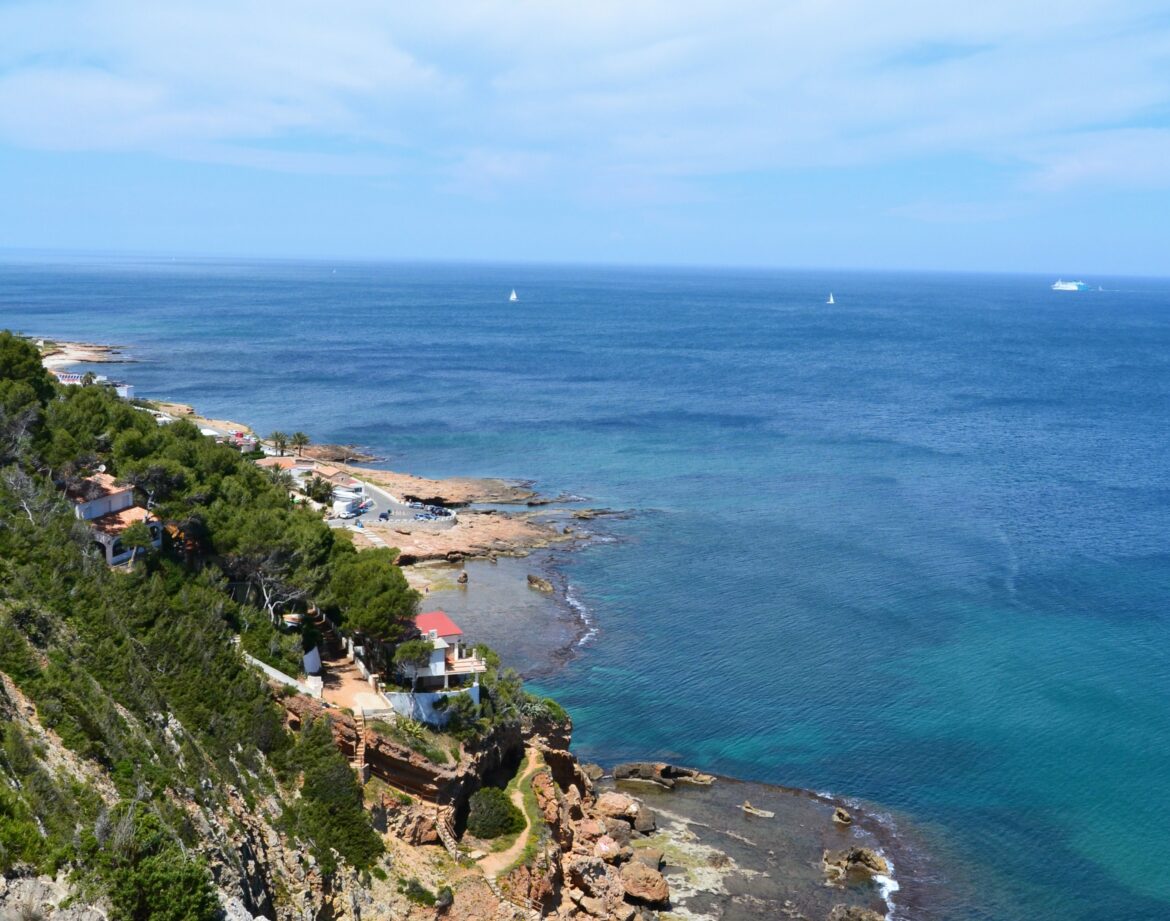
Costa Blanca in 7 days: route overview
This Costa Blanca in 7 days route links Alicante, Benidorm, Altea, Calpe, Moraira, Jávea/Xàbia and Dénia in a balanced coastal itinerary. To avoid constant changes, use two bases: Alicante or Benidorm in the south and Calpe, Jávea or Dénia in the north.
The car gives you freedom, but the plan must include time for the beach, historic centres and viewpoints. The Costa Blanca isn’t just about accumulating kilometres.
A Costa Blanca itinerary by car allows you to combine Mediterranean cities, coves, natural parks, castles and white towns in a short trip. The most common mistake is to treat the entire coast as a sequence of photographs. Between Alicante and Dénia there are clear differences in character, terrain, beaches and visitor experience; they deserve time rather than a rushed stop.
This Costa Blanca in 7 days proposal starts in Alicante and heads north. It can be done in the opposite direction if the flight schedule or accommodation makes that direction more practical. The stages are short, but in summer traffic, parking and access to the coves require planning.
How many bases should you use on the Costa Blanca?
Two bases reduce check-ins and bags. A first base between Alicante and Benidorm makes the southern area, urban beaches and theme parks easier to explore. A second base between Calpe and Dénia brings the coves, the Peñón de Ifach, the Montgó and the towns of the Marina Alta closer together.
South base
Alicante for culture and city; Benidorm for beach, tourist life and families; Altea for a more peaceful environment.
North base
Calpe for balance and access; Jávea for coves and landscape; Dénia for gastronomy, long beaches and Montgó.
Day 1: Alicante, castle and seafront
Start at Santa Bárbara Castle, which helps you understand the city’s position between the Mediterranean and the mountains. Then go down to the historic centre, walk along the Explanada de España and choose between the port, the Santa Cruz neighborhood and Postiguet Beach.
Alicante deserves more than functioning as an airport. The city offers a comfortable first night, restaurants, museums and good transport. Consult updated information on Alicante’s official tourism portal, especially for timetables and events.
Arrival advice
Affiliate links: we may earn a commission at no extra cost to you.
Affiliate link
If the flight arrives late, sleep in Alicante and pick up the car the next morning. Save a day on your rental and avoid driving tired in an unfamiliar area.
Day 2: Benidorm and Serra Gelada
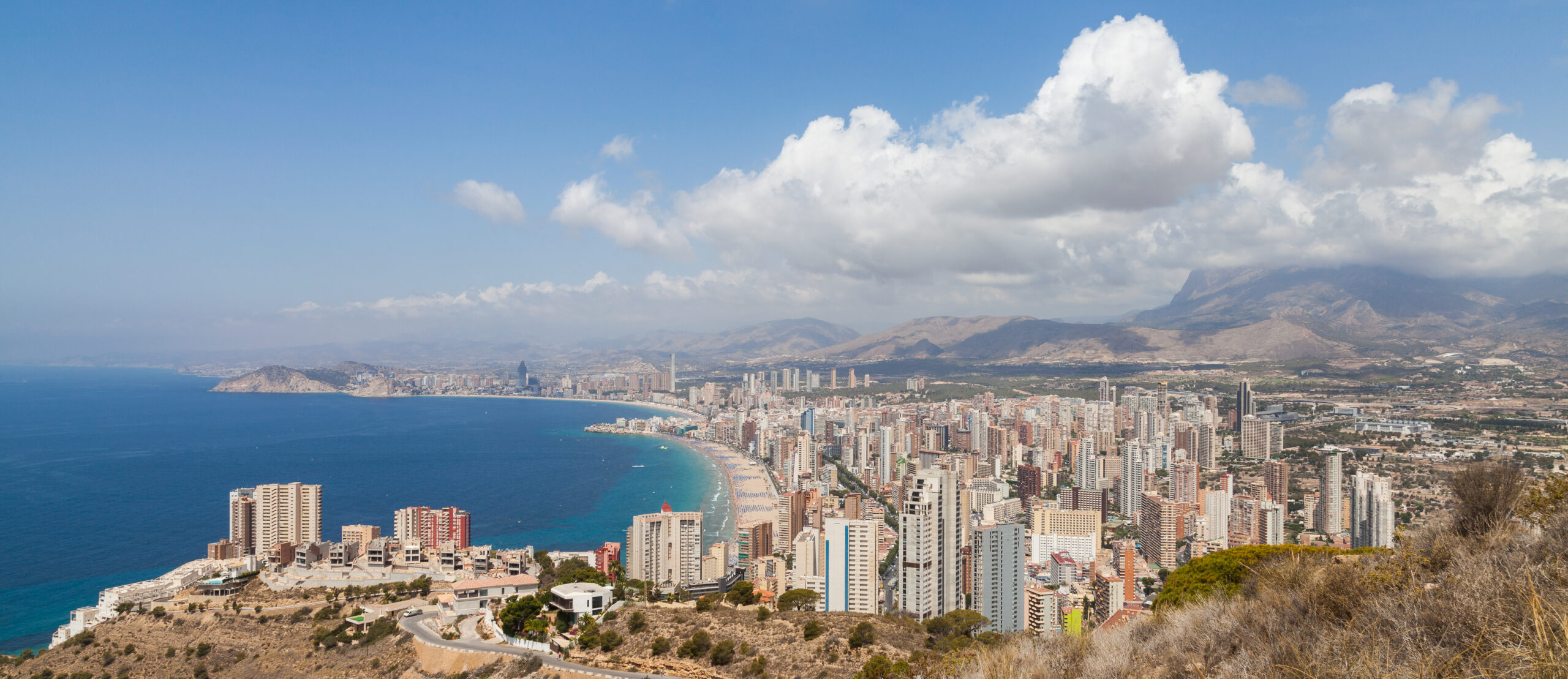
Benidorm has a striking high-rise skyline, but the trip gains depth when you combine Levante Beach, Poniente Beach, the old centre and the landscape of the Sierra Gelada. The Balcó del Mediterrani is a good transition point between the two main beaches.
Families can reserve part of the day for a theme or water park. Those looking for nature can opt for a permitted route in Serra Gelada or a viewpoint. Don’t try to fit the beach, park and long trail into the same day.
Our guide to holidays in Benidorm helps you choose the beach, area and activities.
Day 3: Altea and Guadalest
Altea offers an immediate contrast to Benidorm. The historic centre rises through white streets to the blue-domed church and opens up views of the bay. Go early or late in the afternoon to walk in less heat and find parking more easily.
Then move inland towards Guadalest. The elevated town, the castle and the valley landscape show that the Costa Blanca is also a mountain. Access can be congested at times of high demand; do not schedule an activity with a strict time immediately afterwards.
See the guide to Altea, quiet beaches and where to stay.

Day 4: Calpe, Peñón de Ifach and salt flats
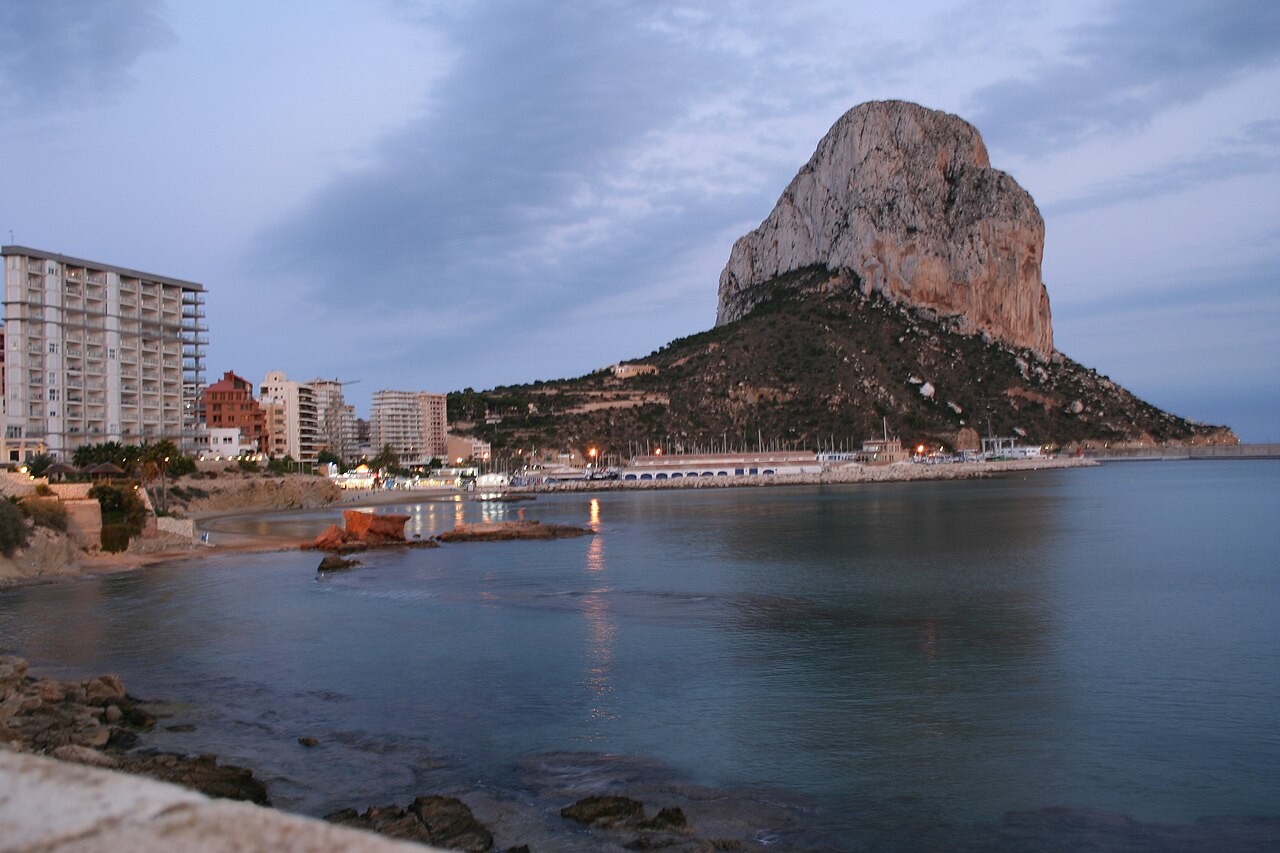
The Peñón de Ifach dominates the landscape of Calpe. Anyone wishing to take the route should check the rules, reservations, visitor limits and conditions on the official portal of Penyal d’Ifac Natural Park. Footwear, heat and wind matter.
A lighter alternative combines the port, the promenade, the beach and the salt flats. Bird watching must be done from a distance and without disturbing the space. Reserve the end of the day for the coast or to settle in at second base.
Read our guide to Calpe and Peñón de Ifach.
Day 5: Moraira and Jávea/Xàbia
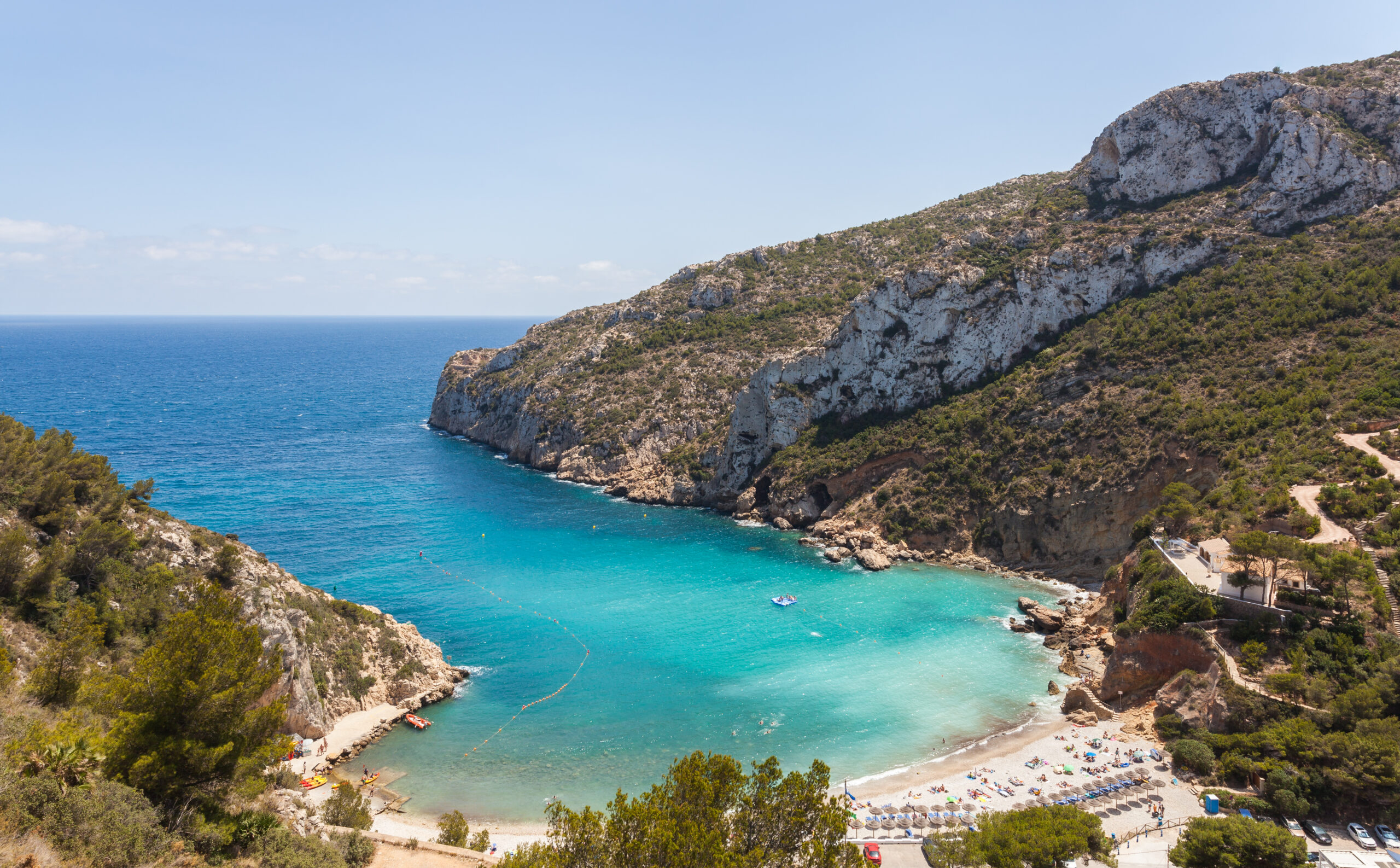
Moraira makes a pleasant stop for strolling by the sea, exploring the centre and taking a break between Calpe and Jávea. Then, head to Jávea/Xàbia, where the Arenal, the port, the historic centre and viewpoints create a varied day.
The most famous coves should not be treated as guaranteed access. In the summer, parking, restrictions and visitor limits may change. Check municipal information, arrive early and have an alternative. Cabo de la Nao, Portitxol and Granadella belong to the same landscape, but they don’t all need to be visited in a single afternoon.
Plan with the Jávea/Xàbia, coves and Arenal guide.
Day 6: Dénia, castle, beaches and gastronomy
Dénia deserves a full day. Go up to the castle, walk through the centre and the port and choose the beach according to the profile: Les Marines for sand and length; Les Rotes for rocky coast and clear water, always respecting protected areas.
Gastronomy is part of the trip, not an interval. Rice dishes, seafood and the local market make it worth booking a restaurant in advance. If you intend to visit Cova Tallada or carry out activities in the Montgó Natural Park, confirm the rules and conditions in advance.
The complete guide to beaches, castle and accommodation in Dénia delves into each area.
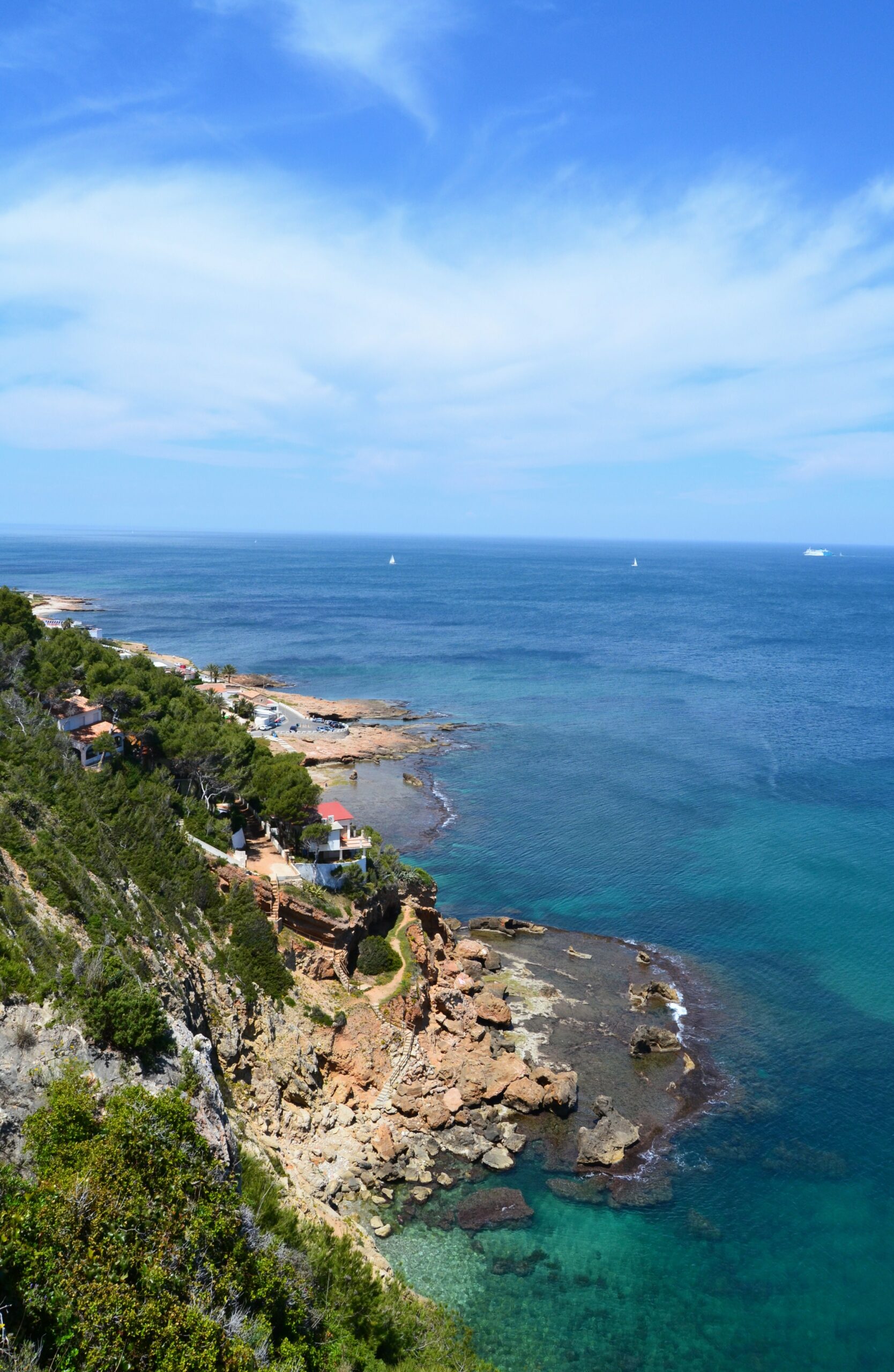
Day 7: Montgó, beach or peaceful return
The last day must adapt to the departure time. With suitable weather and conditions, choose a route in the Montgó Natural Park. For a light break, head to your favorite beach, visit a market or stroll through Dénia before returning to Alicante or Valencia.
Don’t plan a demanding walk before a tight flight. The route to the airport may vary depending on traffic, season and works. Return the car with time to spare.
Driving and parking on the Costa Blanca
- Avoid peak times at coastal access points and historic centres.
- Don’t count on parking next to the cove. Check seasonal transport and local restrictions.
- Protect objects and documentation. Do not leave luggage visible in the car.
- Confirm limited access areas in cities and accommodation conditions.
- Plan fuel and return before the last day.
Is it also possible without a car?
It is possible to create an urban and coastal trip with a bus, metropolitan tram for part of the route and excursions. However, coves, viewpoints and inland areas become harder to reach. For seven days in several locations, the car is the most practical solution.
Best time for this itinerary
Spring and early autumn balance temperature, light and fewer crowds. In summer, the sea and services are fully operational, but the beaches and roads are busier; start early and book. In winter, the trip takes on an urban, gastronomic and natural character, with less focus on swimming and more attention to reduced schedules.
What to book before your trip
Book accommodation and car first, as they define the structure. Then confirm only activities with limited visitor numbers: routes subject to authorization, parks, boat trips or popular restaurants. Don’t block out every morning and afternoon. Wind, heat and sea can make it sensible to exchange a cove for a historic centre.
For natural parks, always use the official channel. Tickets found at intermediaries do not replace an environmental authorization or a municipal rule. Save confirmations offline and check back a day or two in advance.
How to adapt the route to families, couples and walkers
With children
Skip historic centres in the middle of the day in summer and choose a beach with services. Benidorm offers family convenience; Dénia and Jávea allow you to alternate beach and promenade. A theme park should take up the main day, without a long car ride afterwards.
As a couple
Altea, Moraira and Dénia work well for afternoons without an agenda and dinners with time. A base in the north reduces driving and allows you to return to the cove or favorite viewpoint instead of always looking for a new place.
For walkers
Choose just one main challenge between Serra Gelada, Peñón de Ifach and Montgó in a short itinerary. Confirm difficulty and sun exposure. Intersperse the walk with a lighter coastal day to reduce fatigue and risk.
Budget and travel pace
The budget changes a lot between July/August and the remaining months. To control costs, use two bases, pay for parking only when necessary, and do not choose prime seafront restaurants for every meal. Markets and small shops allow you to prepare a beach lunch without missing out on the local cuisine.
Don’t save money by choosing accommodation too far away if this requires long daily journeys. Fuel, parking and time also have value. An efficient itinerary visits fewer places, but makes the most of them.
Affiliate link
Experiences for your trip: Jávea / Dénia / Calpe
Compare meeting points, times and inclusions before booking. Availability depends on your dates and local conditions.
Affiliate link
Frequently asked questions about a Costa Blanca itinerary
Are seven days enough to visit the Costa Blanca?
Seven days are enough for a first itinerary between Alicante and Dénia, as long as you use two bases and don’t try to visit all the beaches and coves.
Is it better to start in Alicante or Valencia?
Alicante is closer to the southern start of the route. Valencia also works, especially if you want to extend your trip along the Valencian coast and end in Dénia.
Do I need a car for this itinerary?
A car is recommended for coves, viewpoints and inland areas. Without a car, focus on Alicante, Benidorm and Dénia and use transport or excursions.
Where should I sleep during the trip?
Use a base in the south, between Alicante and Benidorm, and another in the north, between Calpe and Dénia. The choice depends on whether you prefer the city, beach, tranquillity or gastronomy.
When is the best time for a road trip on the Costa Blanca?
Spring and early autumn offer pleasant temperatures and fewer crowds. Summer is ideal for the beach, but requires reservations and advance planning.
Do the coves in Jávea have free access?
Conditions may vary by season and visitor limits. Always confirm the latest municipal information, parking, seasonal transport and possible restrictions.
Is it worth including Guadalest?
Yes. It introduces mountains, castles and inland landscapes into a route dominated by the coast. Combine it with Altea for a balanced day.
Is Benidorm only beaches and nightlife?
No. It has a historic centre, beaches with different profiles, family services and access to Serra Gelada and several parks.
Can I extend the itinerary to Valencia?
Yes. Add two or three days to Valencia and adjust for returning the car. Check out our guide to culture, Fallas and accommodation in Valencia.
Sources and credits: information checked against the official Costa Blanca tourism portal and other official tourism, transport, weather and heritage sources. Real images from the media library retain the credits and licences associated with their original files.