



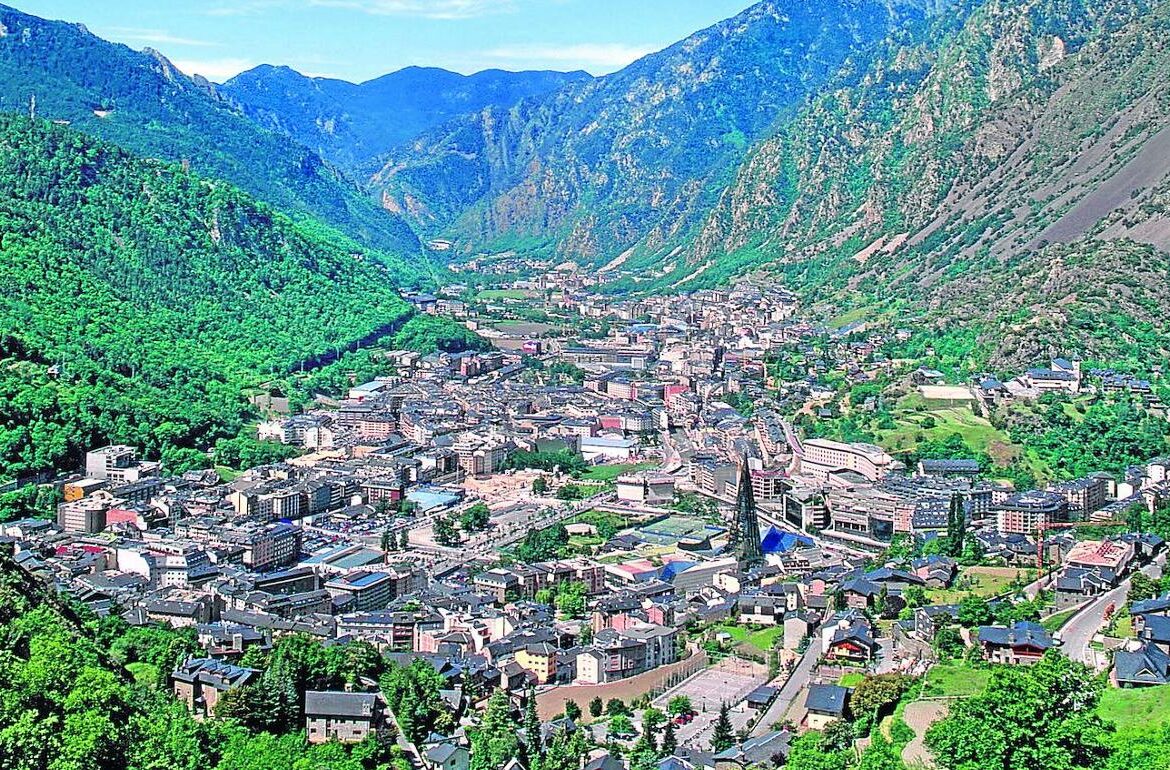
Driving to Andorra
Travelling to Andorra by car is the most flexible way to reach and explore the country, but in winter it requires equipment, forethought and allowance for traffic. Always confirm that the rental allows you to cross the border and that it includes the necessary equipment.
The best mountain driving starts before departure, with a defined route, parking and alternatives.
Affiliate links: we may earn a commission at no extra cost to you.
Affiliate link
Visiting Andorra by car allows you to choose times, transport equipment and reach valleys, but it adds responsibility. The Principality only has road access, and snowy weekends can cause heavy traffic.
This guide covers borders, documents, tyres, chains, parking, fuel and common errors, without replacing updated official rules.
Documents and border
Carry identification, a driving licence, the vehicle documents, insurance and written authorisation from the car hire company. Andorra does not belong to the European Union; check roaming conditions, purchases and coverage.
The border may have controls. Organize documents and don’t transport goods without knowing limits.
Your own car
Confirm maintenance, tyres, insurance and international assistance.
Hire car
Ask for cross-border authorization and winter equipment in writing.
Winter
Check the forecast and road conditions before going up.
Return journey
Avoid tight flight connections after a snowy weekend.
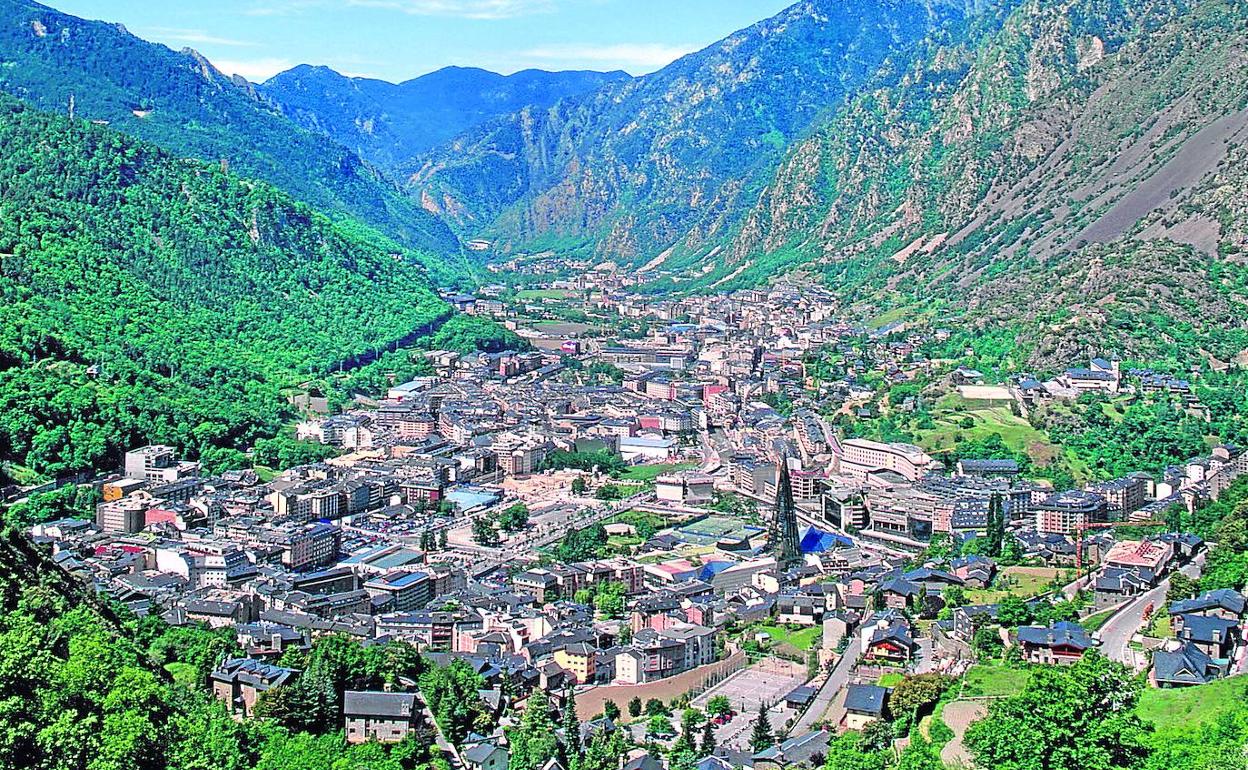
Routes from Spain and France
From Barcelona or Lleida, the usual access is via the Spanish network; from Toulouse, across the French border. Actual journey times depend on snow, roadworks and traffic.
Don’t just rely on the non-stop duration. Include rest and fuel before the climb.
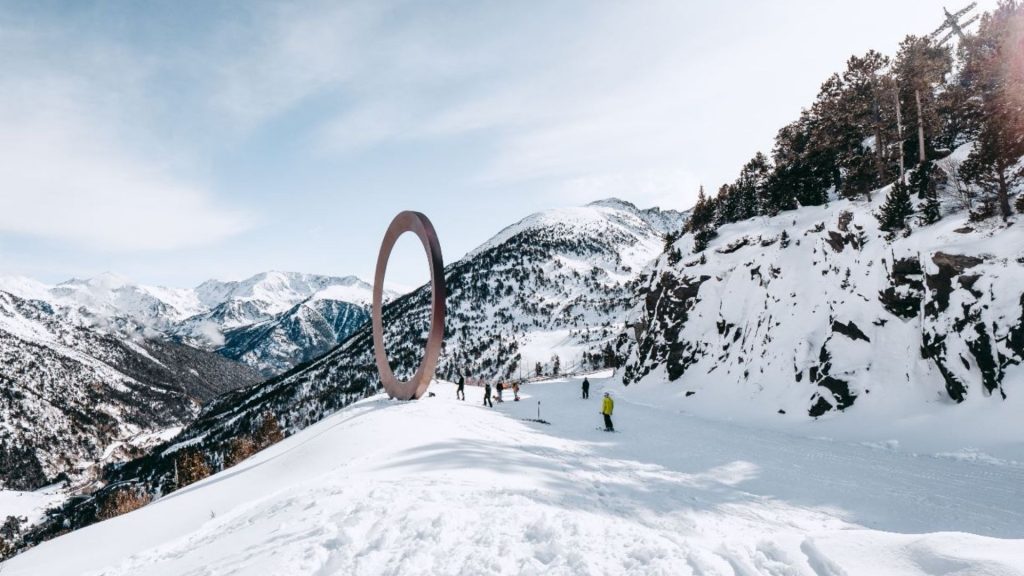
Tyres, chains and equipment
From 1 November to 15 May, drivers must carry snow chains or similar equipment ready for use unless the vehicle has winter or M+S tyres. Practise fitting the chains before the trip and confirm that they suit the vehicle.
Keep gloves, a torch and warm clothing accessible inside the vehicle. Do not wait until the road is covered in snow before finding the equipment.
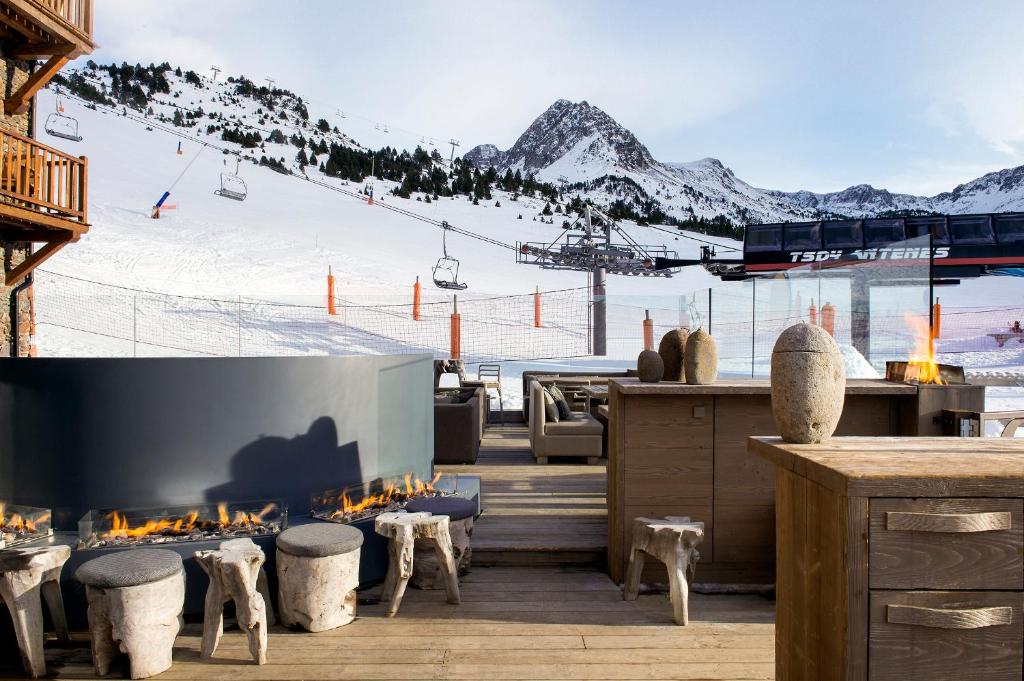
Driving in the snow
Reduce speed, increase distance and avoid sudden movements. Use engine braking when going downhill and follow instructions from the authorities.
If you don’t have experience, consider taking a bus, transfer or postponing a climb. The mountain is no place to learn under pressure.
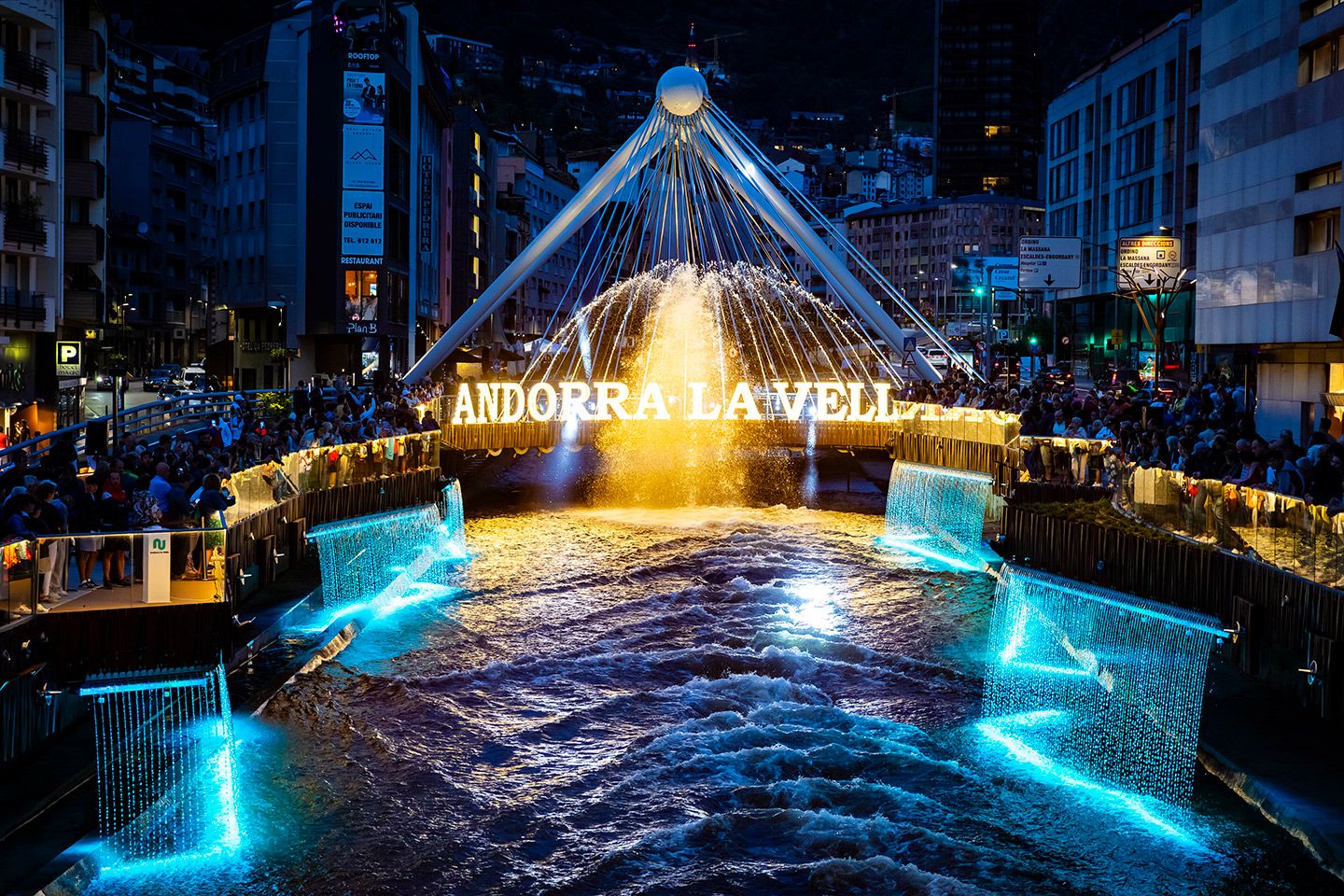
Parking by zone
In the capital and Escaldes, use identified parks and compare daily rates. In hotels, confirm garage height and space reservation.
At ski areas, arrive early and follow the signs. Never block access or stop on roadsides.
Fuel and EV charging
Plan fuel before remote areas and don’t base your trip solely on a price difference. For electric vehicles, confirm stations, power, application and alternative.
Cold weather and steep climbs increase consumption; keep a generous battery reserve.
Traffic and timetables
Traffic often peaks on Friday afternoons, Sundays and snowy weekends. Travelling early or outside peak times reduces stress.
Book a meal or break, but don’t try unfamiliar shortcuts to avoid queues.
A sensible driving itinerary
Use the capital as an urban base and group Canillo/Encamp, La Massana/Ordino and Sant Julià on separate days. Avoid crossing the country several times unnecessarily.
The guide where to stay in Andorra helps you choose a base that reduces kilometres.
How to turn this guide into a realistic plan
Start by writing down on one line the main objective of the trip and the limit you don’t want to exceed. It might be keeping daily drives under one hour, seeking reliable snow, avoiding accommodation changes or remaining within the total budget. This phrase helps eliminate options that are beautiful on the map, but incompatible with the actual trip.
Then confirm altitude, road access, mountain calendar and parking. Only when these elements are clear should you book secondary experiences. In Andorra, an efficient itinerary leaves room for weather, traffic or tiredness and avoids depending on a single attraction to justify the entire day.
Planning for 3, 5 and 7 days
3-day getaway
Choose a base and two priorities. Leave room for arrival delays on the first day; the second concentrates the main experience; the third is close to the exit route. On a short trip, avoid changing base several times: check-ins and luggage use up time that looked available on the map.
5-day trip
Add an excursion, nature day or second zone, keeping at least half a day flexible. Five days allow you to alternate activity and rest and adjust a choice affected by the weather without eliminating the rest of the itinerary.
7-day holiday
In a week, distribute three essential days, two complementary days and two lighter periods. Repeating a valley, village or route is not wasted time: it reduces travel and improves the experience. A week should only have two bases when there is a clear geographical reason.
Budget: compare the total cost
The price per night is just part of it. Include arrival transport, local travel, parking, meals, tickets, equipment, insurance and possible cancellation costs. Central accommodation may cost more but save two taxi rides a day; a detached house can work well for a group with a car yet be impractical for travellers without one.
Book limited-availability services first and leave locally decided activities until later. Read the cancellation conditions and do not confuse the non-refundable rate with automatic savings. Flexibility is valuable when the trip depends on weather, snow, road conditions or connections.
Safety and up-to-date information
Opening hours, access, trails, roads and snow conditions can change. Check official sources close to departure and confirm the information again the day before. An old publication or photograph is not a substitute for signage, weather warnings or local instructions.
Save documents, addresses and reservations offline. Share the plan of demanding activities and do not force an activity just to meet the schedule. Changing the route in the face of rain, heat, wind or snow is a quality decision, not a failure.
Travel with respect for the destination
Park only where permitted, take waste with you, keep your distance from animals and respect private property. In historic centres and residential buildings, reduce noise and follow accommodation rules. Tourist growth is only sustainable when the visit does not worsen the daily lives of those who live there.
Prefer reputable operators, local businesses and experiences that explain the destination. Do not remove stones, plants or other natural elements and avoid creating new trails. Photographing a place does not require entering closed areas or blocking circulation.
Vehicle and route preparation
Before leaving, confirm tyres, levels, assistance, documentation and mandatory equipment. When renting, photograph the condition of the car, read the fuel and limits and ask for an explanation about chains or charging. A cheap fare loses value when it excludes what the route requires.
Download maps, book parking and identify an alternative. Take regular breaks and don’t turn the estimated duration into a goal. Rain, snow, heat, construction and traffic require margin.
Efficient and safe driving
Smooth acceleration, moderate speed and grouped route reduce fuel and fatigue. On long descents, use the appropriate gear and secure the brakes. Never stop on a roadside to take a photo if there is no safe and authorized space.
Errors that reduce the quality of the trip
- Booking before confirming the logistics: check the map, timetables and conditions before deciding.
- Filling every day: keep room for rest and changes.
- Choose on price alone: compare the total cost and lost time.
- Ignore recent reviews: services, noise and access may change.
- Depend on a single experience: always prepare a coherent alternative.
Final checklist before booking
- Main objective and pace of the trip defined.
- Base chosen for logistics, not just photography.
- Transport, parking or transfers confirmed.
- Seasonal activities verified in official source.
- Cancellation, insurance and documentation reviewed.
- Keep one flexible block free in the itinerary.
Quick decision
Travel by car if you value flexibility and agree to prepare for winter and parking. If you have no experience with snow or will only be staying in the capital, buses and local transport may be easier.
Frequently asked questions about travelling to Andorra by car
Do I need a passport?
It depends on nationality. EU citizens can enter with a valid national identity card or passport; other travellers should check passport and Schengen entry requirements.
Can a rental car enter Andorra?
Only if the rental agreement and insurer allow cross-border travel.
Do I need chains?
From 1 November to 15 May, carry chains or similar equipment unless the vehicle has winter or M+S tyres; check current rules and know how to fit them.
Where to park in the capital?
Use public car parks or the accommodation parking.
Is it difficult to drive in winter?
It can be, especially without experience; follow official advice and consider alternatives.
Are there border controls?
Checks may take place; carry the required documents and respect customs allowances.
Is an electric car practical?
It can work with planned charging and extra range for cold weather and altitude.
What is the best time to enter Andorra?
Avoid weekend peaks and the start of the morning snow-activity period.
Sources and credits: information checked against the Mobilitat Andorra and other official tourism, transport, weather and heritage sources. Real images from the media library retain the credits and licences associated with their original files.