Time
Two days provide an introduction to Salou. Add a full day if PortAventura is a priority, and avoid overloading your arrival day.



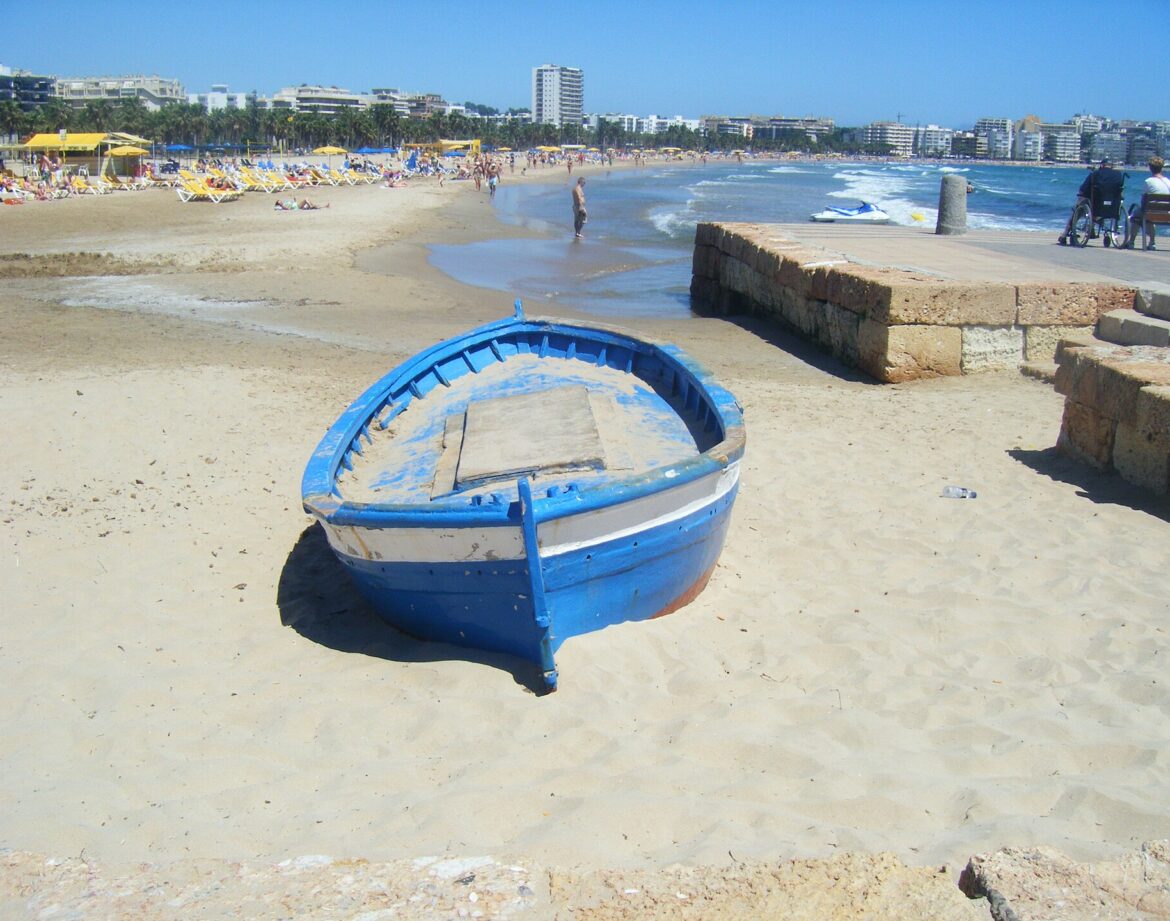
Salou, on the Costa Daurada, combines town beaches, small coves and coastal walks. For a first visit, start at Llevant, stroll along Passeig Jaume I and set aside another part of your stay for the Camí de Costa. Staying in the centre makes a holiday without a car easier; Cap Salou suits cove seekers who are comfortable with more hills. PortAventura deserves a day of its own.
Getting the most out of Salou involves more than choosing a hotel near the sand. The experience changes considerably between the central promenade, the Capellans area and the residential developments on the headland. This guide helps you decide what to see in Salou, how to spread out your days and which location suits your holiday, without turning every journey into an excursion.
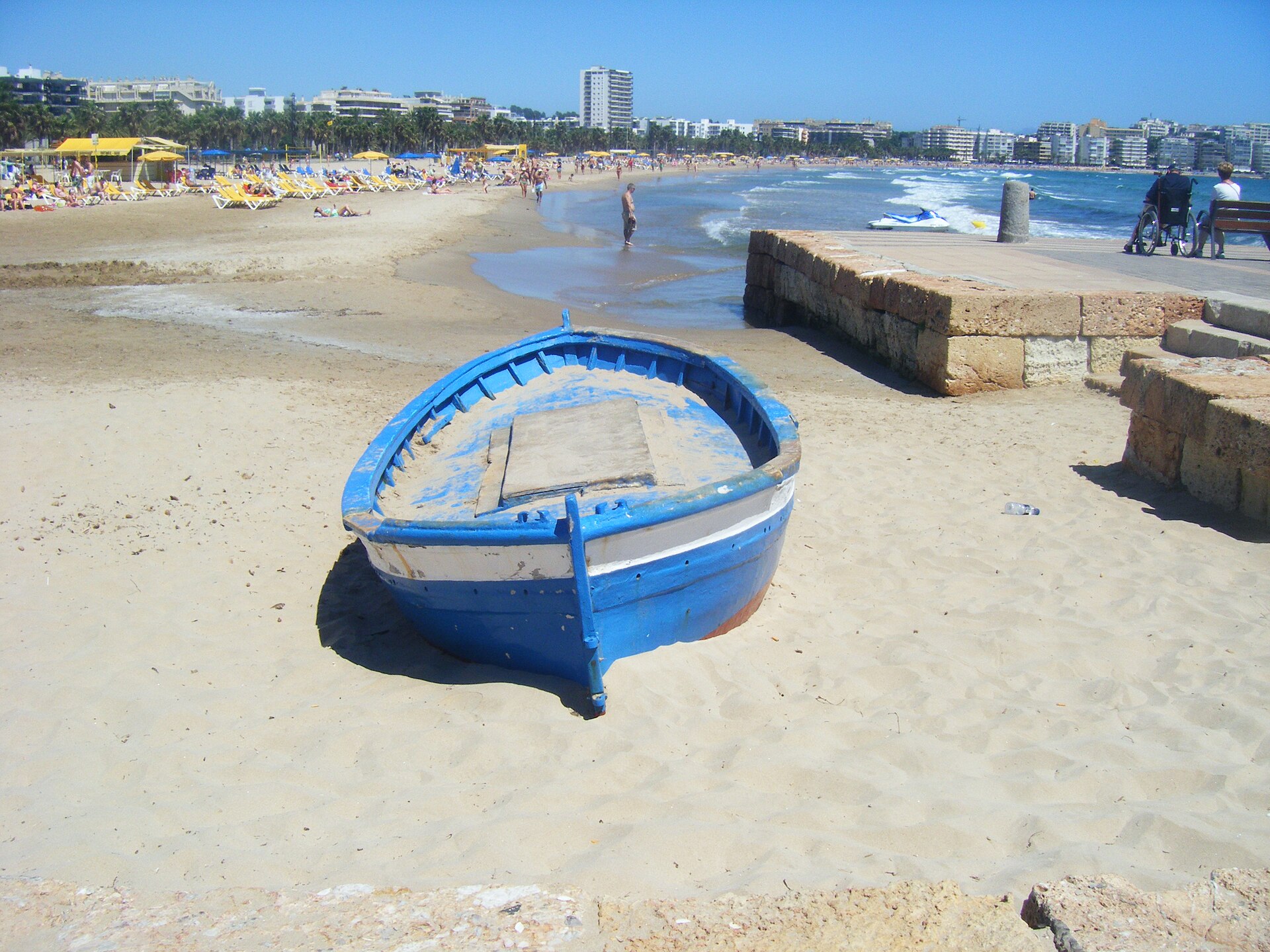
Salou is in Tarragona province, Catalonia. Cambrils lies west along the coast, while La Pineda, in the municipality of Vila-seca, is on the other side of the headland. Barcelona may be your gateway to the region, but a stay in Salou should not be confused with a convenient base for daily visits to the Catalan capital.
Divide the official beach map into three areas. The centre brings together Llevant, Passeig Jaume I and services that make getting around on foot straightforward. The Capellans and Llarga stretch alternates beaches with sections involving steps. Cap Salou has small coves and viewpoints, but you need to check the actual distance between your accommodation, the beach and the bus stop.
Before booking, mark four places: your accommodation, your preferred beach, the supermarket and your transport arrival point. An apartment that seems close to the sea may be at the top of a hill. With young children or bulky luggage, that detail often matters more than a balcony with a partial view.
Llevant runs along the main town waterfront, allowing you to combine the beach, lunch and a stroll without rearranging your day. It is a good option when people in your group prefer different routines: some can stay on the beach while others return to the accommodation. The trade-off is its popularity, particularly during the busiest periods.
Ponent suits visitors who prefer the side of Salou facing Cambrils. Compare the exact location, not just the beach name: staying near the municipal boundary may work very well for a restful break, but be less convenient for walking home after dinner in the centre.
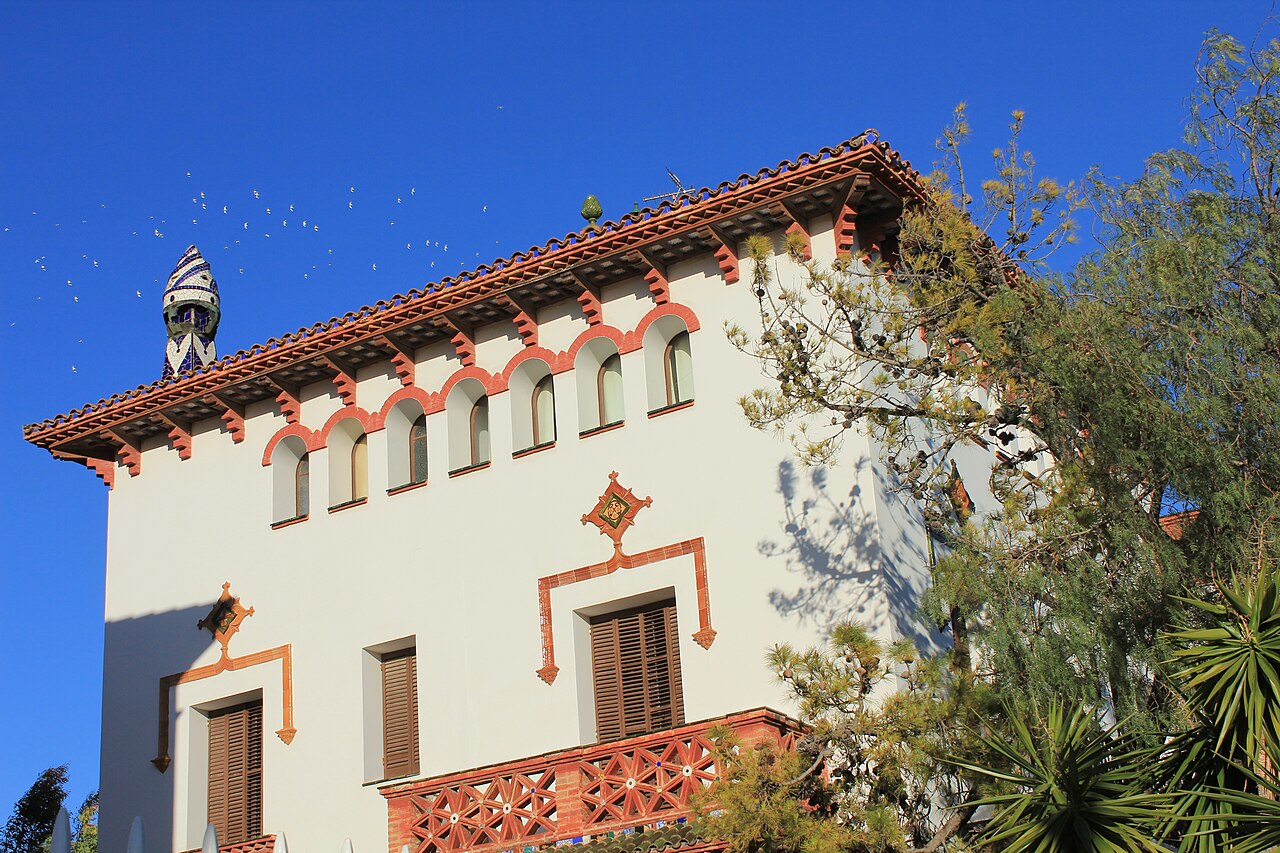
These beaches bring you closer to the indented coastline without committing to a more isolated cove. Check access from the street where you will be staying. A short descent in the morning becomes an uphill walk with wet towels, toys and tired children at the end of the afternoon.
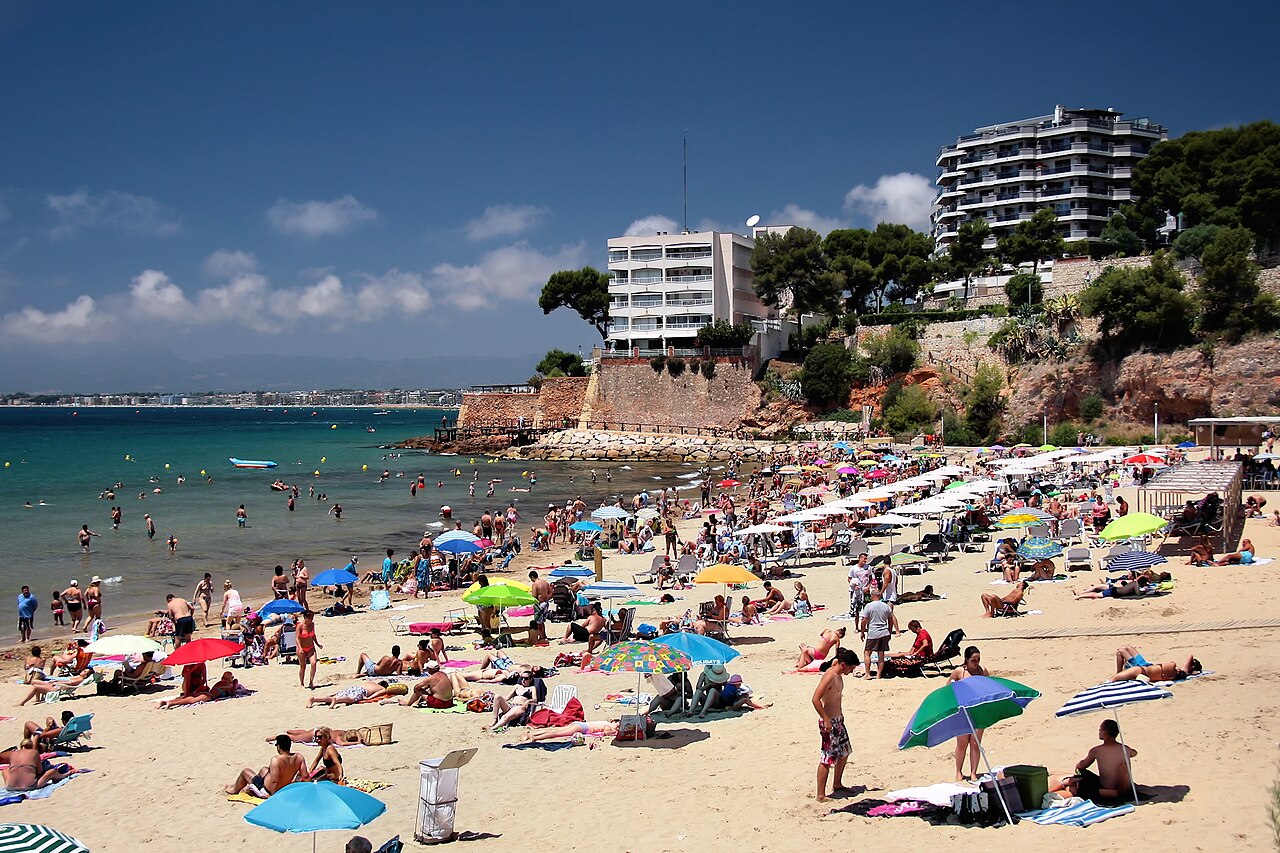
The headland’s coves are options for a day focused more on scenery. Space is limited, and a sheltered appearance does not guarantee calm water. Choose one as your main destination and another as a backup, rather than trying to see them all through repeated searches for parking.
The Penya Tallada information page lists no lifeguard service, warning flags, parking or accessible entrance. If you need supervision or a route onto the sand without steps, that difference should influence your choice. The absence of a flag does not imply permission to swim; if you are unsure about sea conditions, visit for the scenery alone.
At any beach, whether to enter the water depends on the signs and conditions that day. Do not treat a photograph of clear water as proof that swimming is safe. Also confirm the seasonal services you need, particularly lifeguards, toilets and assisted bathing.
The official tourism website describes a 9.49-kilometre coastal route between Punta de Sant Pere and Racó de Salou. Do not confuse this distance with older descriptions of shorter routes. The official map distinguishes between different types of section, including areas with steps and stretches across rocks.
For an introduction, choose just one section with a clearly recognisable start and finish. Heading from the central promenade towards Pilons and the next beaches quickly shows you whether the surface, sun exposure and pace suit your group. Returning the way you came is a perfectly valid option.
One short option is to walk from Pilons to Capellans and decide there whether to continue to Llenguadets. Use each beach as a point to reassess, without assuming the next section will have the same surface. For an urban stroll without that extension, stay between Llevant and Ponent, checking the crossing by the harbour. These are two walks with different demands, even if they start near the same accommodation.
For a longer walk, save the map, decide how you will get back and take water before leaving the built-up area. Footwear with good grip makes more sense than flip-flops. Do not count on being able to buy drinks along every stretch or finding continuous shade.
With a pushchair or reduced mobility, select an area confirmed as accessible on the map and avoid assuming that access along a town promenade extends to the entire coastline. Check the Camí de Costa route and map before setting off.
Passeig Jaume I is a useful starting point for an unhurried arrival: it lets you see how the town relates to Llevant and decide where to spend the following day. Save walks around town for cooler parts of the day and take a longer break when the group starts running out of energy.
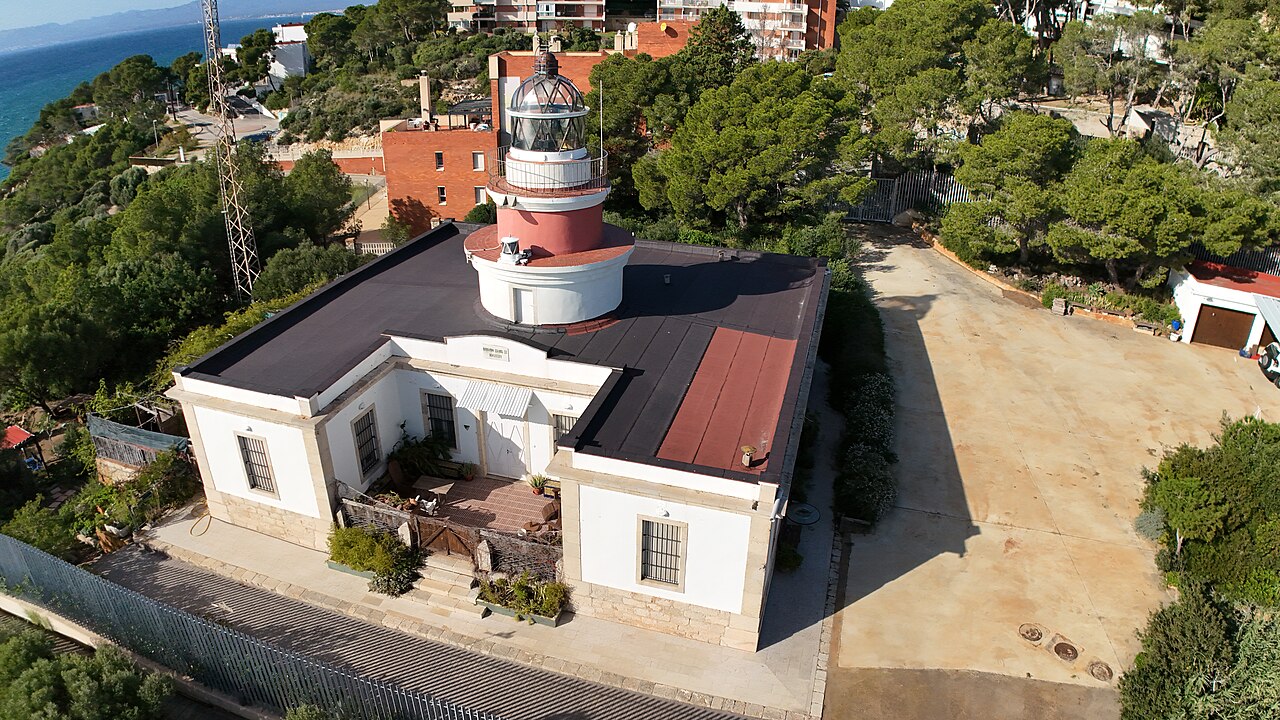
The viewpoints offer another perspective on the coast. Rather than collecting photo stops, choose one that fits your route. The official viewpoints route helps you locate them. The lighthouse is a landmark on the headland, but that does not mean all its buildings are open for interior visits.
To add some heritage, Tarragona deserves a trip built around its historic centre. If you would rather stay by the sea, Cambrils works better for an afternoon stroll and dinner. Avoid combining both towns with a full morning at a theme park: that usually means plenty of travelling and very little time to explore.
Day one: settle in, explore Llevant and walk around the centre. Avoid booking an activity with a fixed start time immediately after a flight or a long journey. A simple afternoon lets you assess the distance to the supermarket, beach access and the evening atmosphere in your chosen area.
Day two: spend the morning on a section of the coastal path or at a cove on the headland. Return for a rest and keep the afternoon for a stroll around town. If swimming in the sea is your main aim, do not feel obliged to add more sights simply to fill the itinerary.
Day three: choose PortAventura, Tarragona or Cambrils according to your main interests. PortAventura needs its own ticket and transport planning; Tarragona suits heritage visits and walking; Cambrils extends the beach holiday. Making this choice avoids buying experiences that do not fit the time available.
For a week, alternate demanding days with gentler ones. After many hours at a park, a free morning near your accommodation is often more useful than another very early start. Keep one activity flexible so you can move it to another day if wind or rain changes your plans.
The Creuers Costa Daurada company offers trips in Salou and Cambrils. Distinguish a service between the two harbours from a cruise with a swimming or meal stop. Compare each option by its departure harbour, duration and inclusions, not just the photograph of the catamaran.
Some activities marketed for the Salou area actually depart from Cambrils. Add that journey before booking. Check the minimum age, cancellation terms and what happens if sea conditions prevent departure. Also confirm whether the return ticket requires you to take a specific sailing.
For the theme park, distinguish PortAventura Park admission from combinations with Ferrari Land or Caribe Aquatic Park. Buying a ticket in advance does not give you priority access to rides: the Express passes have their own conditions. First choose the parks that interest your group, then compare tickets.
Affiliate links: we may earn a commission at no extra cost to you.
Without a car: look for a central address near Llevant or the part of town you will use most. The priority is being able to reach the beach, eat out and do small shops on foot. Check the route from your arrival stop, particularly if the service ends late.
With children: compare lift access, kitchen facilities, shade on the balcony, opportunities to rest during the day and access to the sand. A pool can be useful, but it does not make up for a room with too little space for your group. Ask about the cot and the beds actually included in the booking.
For coves: Cap Salou may suit you if you are comfortable with the distances and hills. Do not book simply because the description says ‘near the beach’. Open the walking route and check that there is a suitable public path without crossing private property.
AL Rental is adding properties available to book directly in the region. Until a published option matches your trip, you can compare external alternatives through Booking. A reservation on that platform follows the terms of the accommodation and the chosen rate; it is not a booking of AL Rental’s own inventory.
Compare the full journey from your arrival airport. Reus and Barcelona differ in both distance and the connections available. Check Bus Plana and Renfe for your specific date. The official arrival guide identifies Salou-PortAventura and Camp de Tarragona as separate stations: confirm which one is on your ticket and how you will reach your accommodation.
Camp de Tarragona is in Perafort; it is not a station beside the beach. If arriving by high-speed train, plan that final leg before buying your ticket. To leave Salou-PortAventura, locate the stop or arrange a pickup using the station’s full name. Avoid scheduling key collection for the train’s arrival time: you still need to reach the door.
A car is more worthwhile when you want to combine different towns and outlying beaches. For a stay in town, add parking, fuel and time spent finding a space before deciding that renting is the cheapest option. Also check the security deposit, required payment card and fuel policy.
Divide your budget into accommodation, travel, meals and experiences. To compare hotels with apartments, calculate the final price per person per night, including the charges shown during booking. Cooking some meals may help, but only if the kitchen has the equipment you need for the use you have in mind.
The most common mistake is choosing everything by how close it looks on the map. The second is booking too many activities in advance. Start with those that determine the day’s schedule, leave room for rest and prepare an alternative that does not depend on sea conditions.
Two days provide an introduction to Salou. Add a full day if PortAventura is a priority, and avoid overloading your arrival day.
The centre for getting around on foot; the headland for coves, after checking access. The exact address matters more than a generic description.
Confirm the park, departure harbour and cancellation terms. Save your confirmations and check that everyone meets the activity’s requirements.
Swap a boat trip or cove visit for time exploring Tarragona if the forecast allows, or for a quiet break without further journeys.
Yes. Beaches, coastal walks and nearby Cambrils and Tarragona make a stay worthwhile independently of the park. Choose a location suited to those activities.
Two or three days let you explore different areas at an unhurried pace. To combine a beach holiday with the park and excursions, allow more time and include days for resting.
Not necessarily for a central stay. A car becomes more useful for travelling between towns or coves, but you should weigh it against parking and the transport available.
No. Some sections have steps and other features that need consideration. Choose a suitable stretch on the official map and check for possible restrictions before walking.
Llevant is a practical choice thanks to its central location. For a change of atmosphere, consider Capellans or a cove on the headland, taking access and sea conditions into account.
Yes, if you allow time for the journey and confirm your return. A boat trip depends on the service operating and on sea conditions on your chosen date.
Salou has a typical Costa Daurada Mediterranean climate. June and September offer a good balance of beach weather and fewer crowds. July and August are the busiest months, especially with families combining the beach with PortAventura World. Spring is a good time to visit with fewer crowds and lower prices.
Reus airport is just 10 km from Salou, about a 15-minute drive, making it the fastest option. Barcelona-El Prat airport is a more distant alternative, about 110 km away. There is also a direct train connection between Barcelona-Sants and Salou station.