Arrival
Compare trains and add local travel time. Distinguish Girona station, Girona-Costa Brava Airport and an arrival through Barcelona Airport.



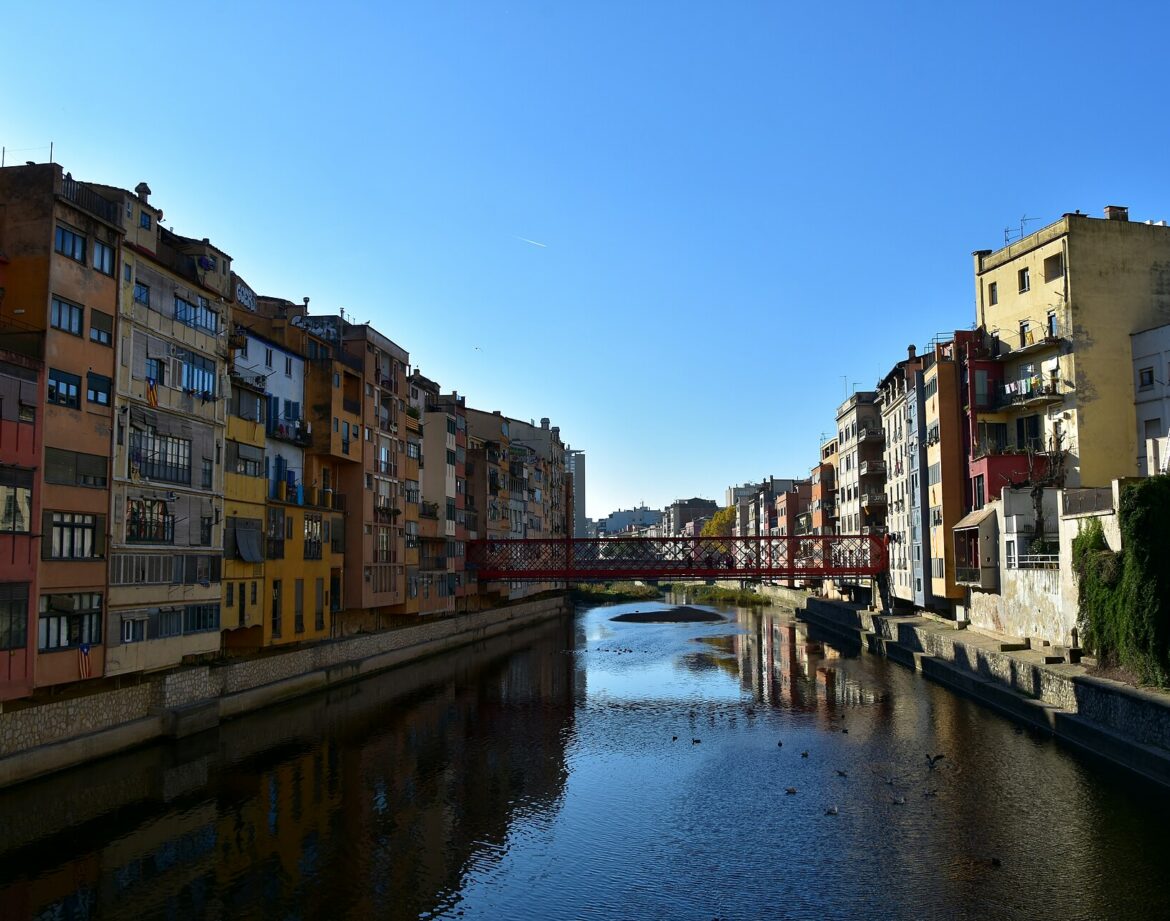
Girona, Spain, is a good choice for a cultural city break: houses overlooking the River Onyar, the Jewish Quarter, cathedral, city walls and museums all fit into a well-planned walking visit. One day is enough for the highlights and one or two indoor visits; staying overnight gives you more time to explore without rushing. The city is inland, not on the beach. From Barcelona, compare train services to Girona and allow some time between arriving at the station and your first visit.
Visiting Girona means spacing out the climbs and indoor visits carefully. A poorly chosen route can send you back through the same streets several times. This guide organises the trip by area, helps you choose which tickets to book and distinguishes a day trip from Barcelona from a longer stay.
Girona is in Catalonia, northeast of Barcelona. Its province includes destinations on the Costa Brava, but the city has its own urban character and heritage. Staying in Girona can work for a regional itinerary; it does not mean you can leave your accommodation and walk to a Mediterranean beach.
Open the Girona municipal map and locate the station, River Onyar, Barri Vell and cathedral. The old town rises on the eastern bank of the river. Mercadal and the area linking the centre to the station help you plan your arrival, meals and accommodation before heading into the steeper streets.
For a first route, think in three groups: the bridges and Onyar houses; the Call and cathedral; and Sant Feliu, the Arab Baths and Sant Pere de Galligants. You can fit the walls between visits if time and energy allow. You do not need to walk their full length to understand the city.
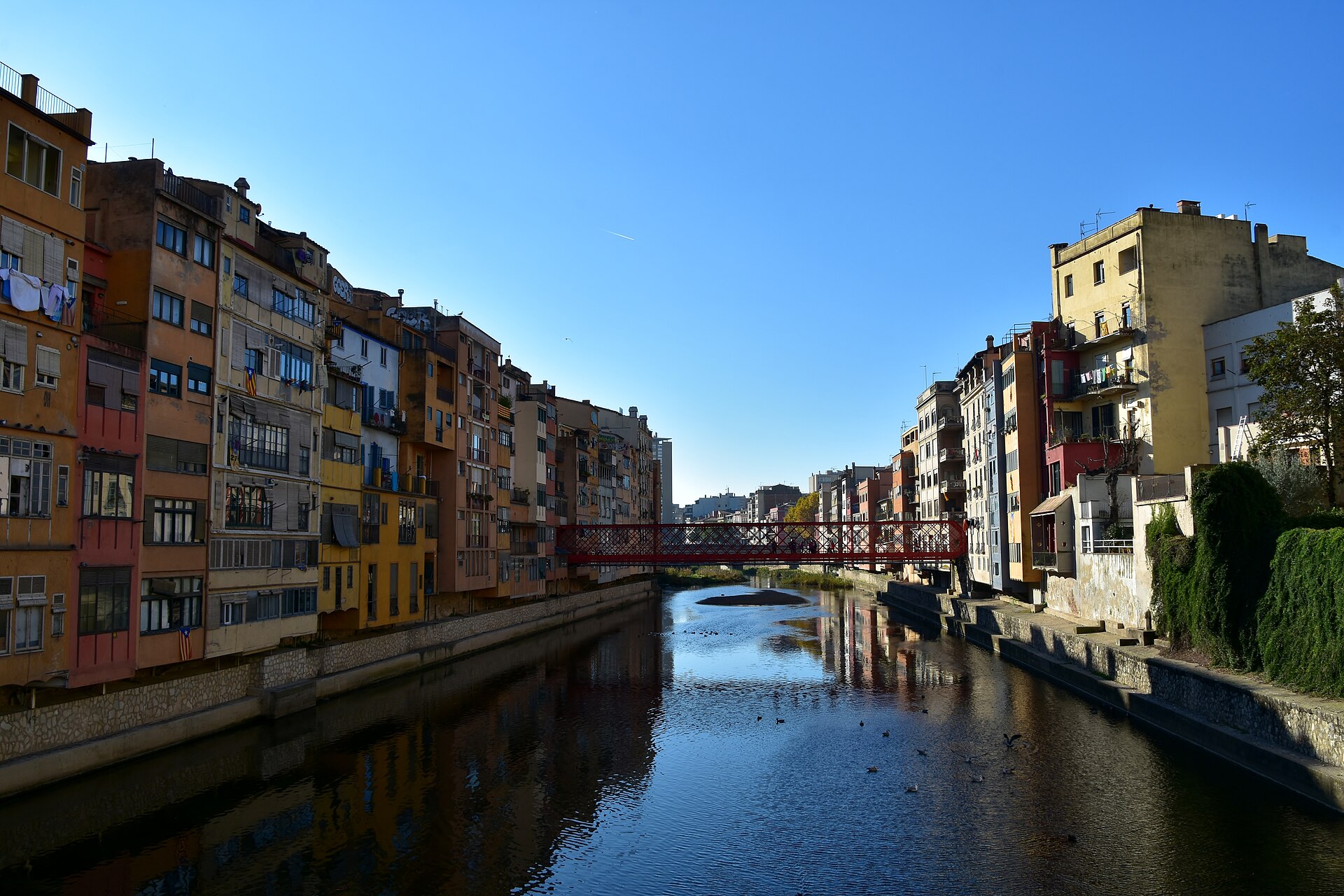
The colourful houses along the Onyar create one of Girona’s most recognisable views. Looking at them from a bridge helps you place the river, facades and bell towers in context. Use this first stop to get your bearings before heading into the old town’s streets.
The Pont de les Peixateries Velles, also known as the Eiffel Bridge, is the red metal structure spanning the river. Municipal documentation attributes its construction to Eiffel et Cie. When taking photographs, leave room for people to pass and avoid turning a busy crossing into a lengthy photo session.
Choose two perspectives: a broad view of the houses and another that includes the bridge’s structure. Walking across every bridge in search of the same photograph can use up the morning. Save another crossing for your return, when the light has changed.
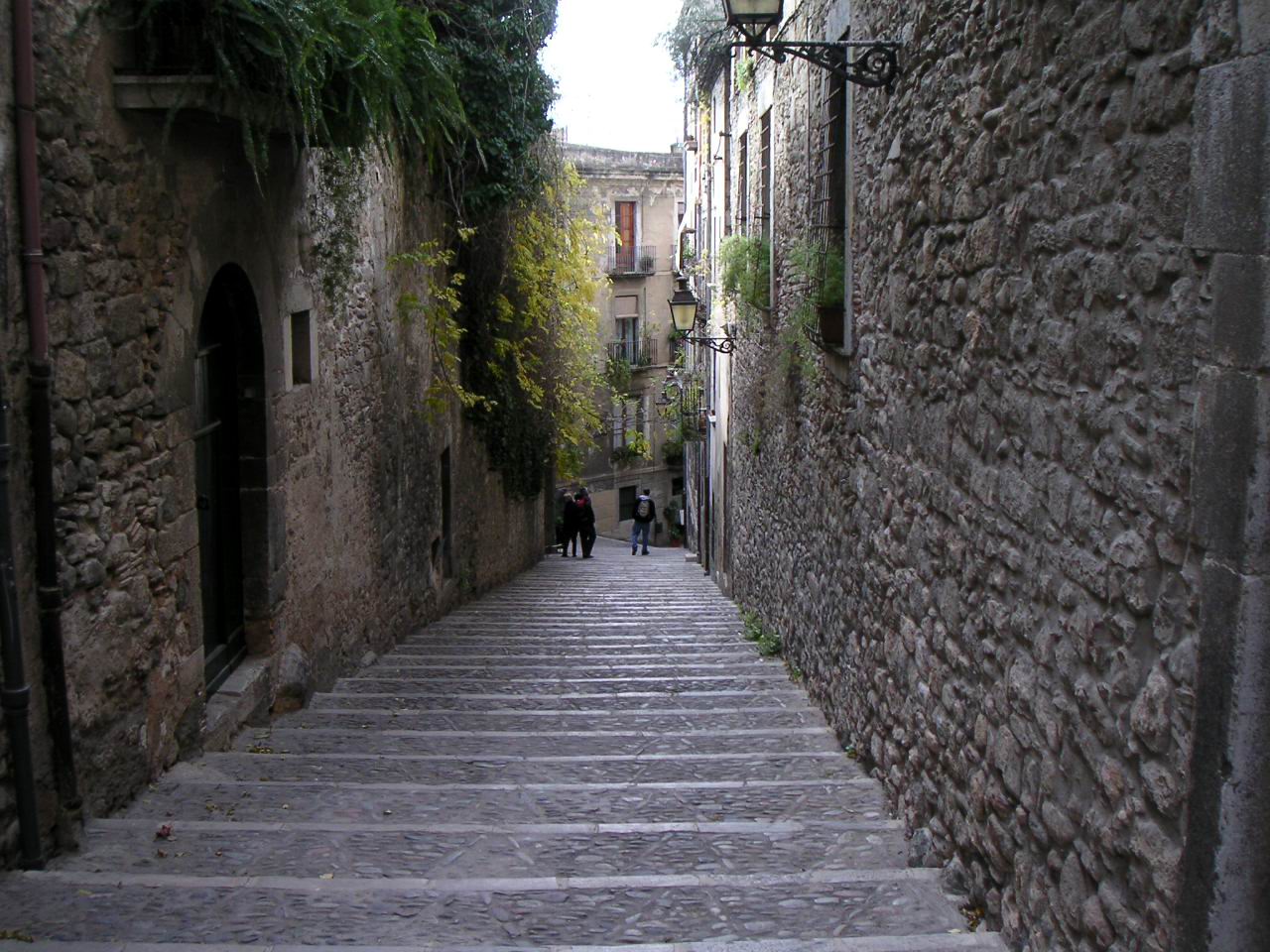
The Call of Girona is a collection of narrow streets and courtyards within the historic centre. Walk along Carrer de la Força and look at the side streets, without assuming they are all easy shortcuts: some involve steps and changes in level. Use the map for guidance, but leave time to notice your surroundings.
The Museum of Jewish History explores the lives and contributions of Jewish communities in medieval Catalonia, drawing on local history too. It is a useful choice if you want to understand who lived in this neighbourhood, beyond the visual appeal of its stone streets.
If you only have time for one museum, choose according to your group’s interests. Social history and everyday life make this a good option; religious architecture may lead you to prioritise the cathedral. Do not buy several tickets just because the buildings are close together: geographical proximity does not reduce the time each visit needs.
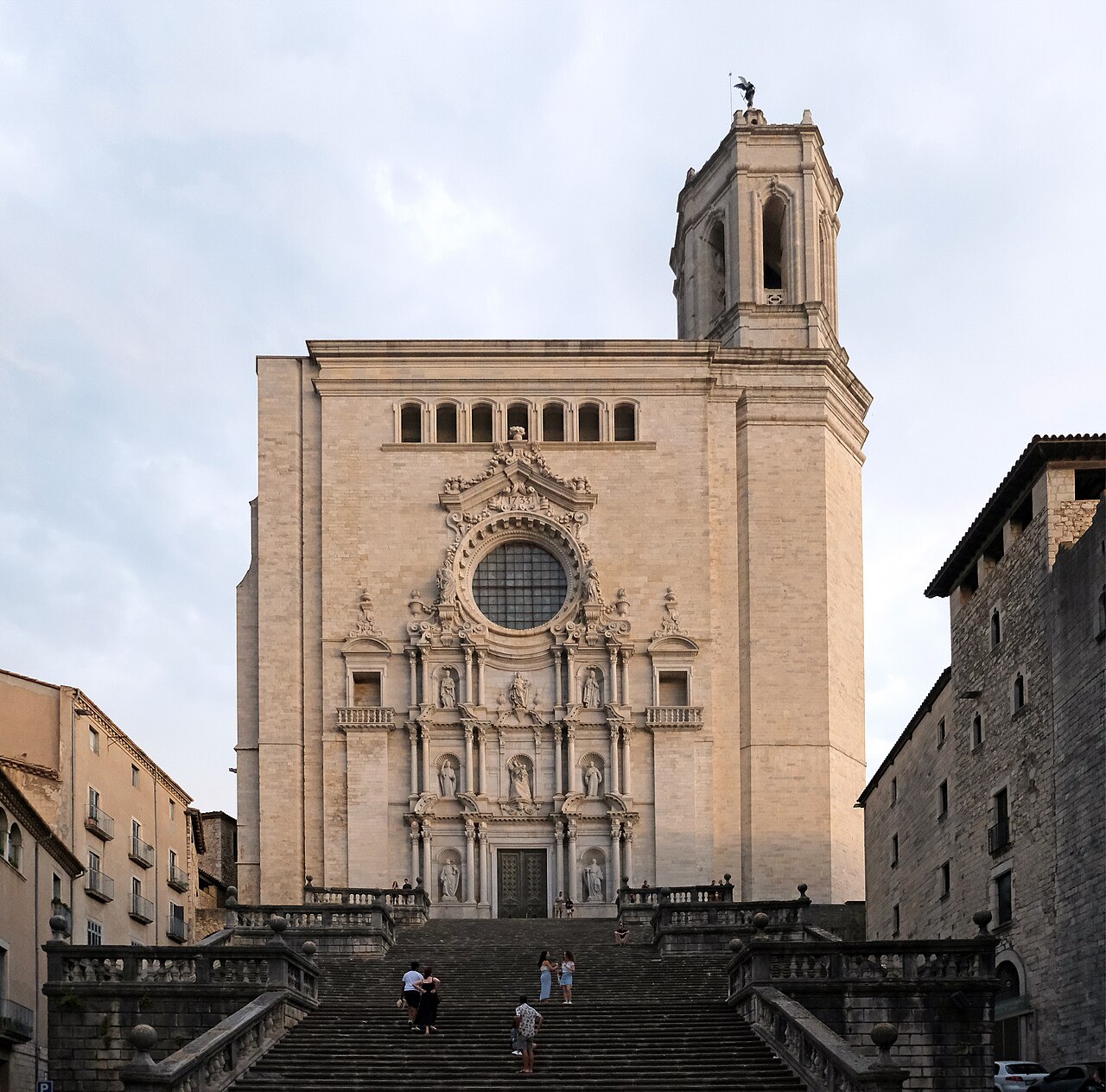
The cathedral of Girona combines Romanesque, Gothic and Baroque elements. The great Gothic nave is one reason to consider going inside, while the steps and facade offer a different perspective from outside. Decide in advance whether you simply want to see the square or spend time exploring the areas open to visitors.
Schedule this visit while you still have energy for the climb. If someone in your group has reduced mobility, check the appropriate access before following the most photographed route. A picture of the steps does not explain every entrance option or guarantee an accessible route inside.
Check the ticket and what it actually includes on your chosen date. The existence of combined tickets does not mean all the city’s monuments share admission. Also check for changes linked to religious services before organising the rest of your day around a specific time.
Affiliate links: we may earn a commission at no extra cost to you.
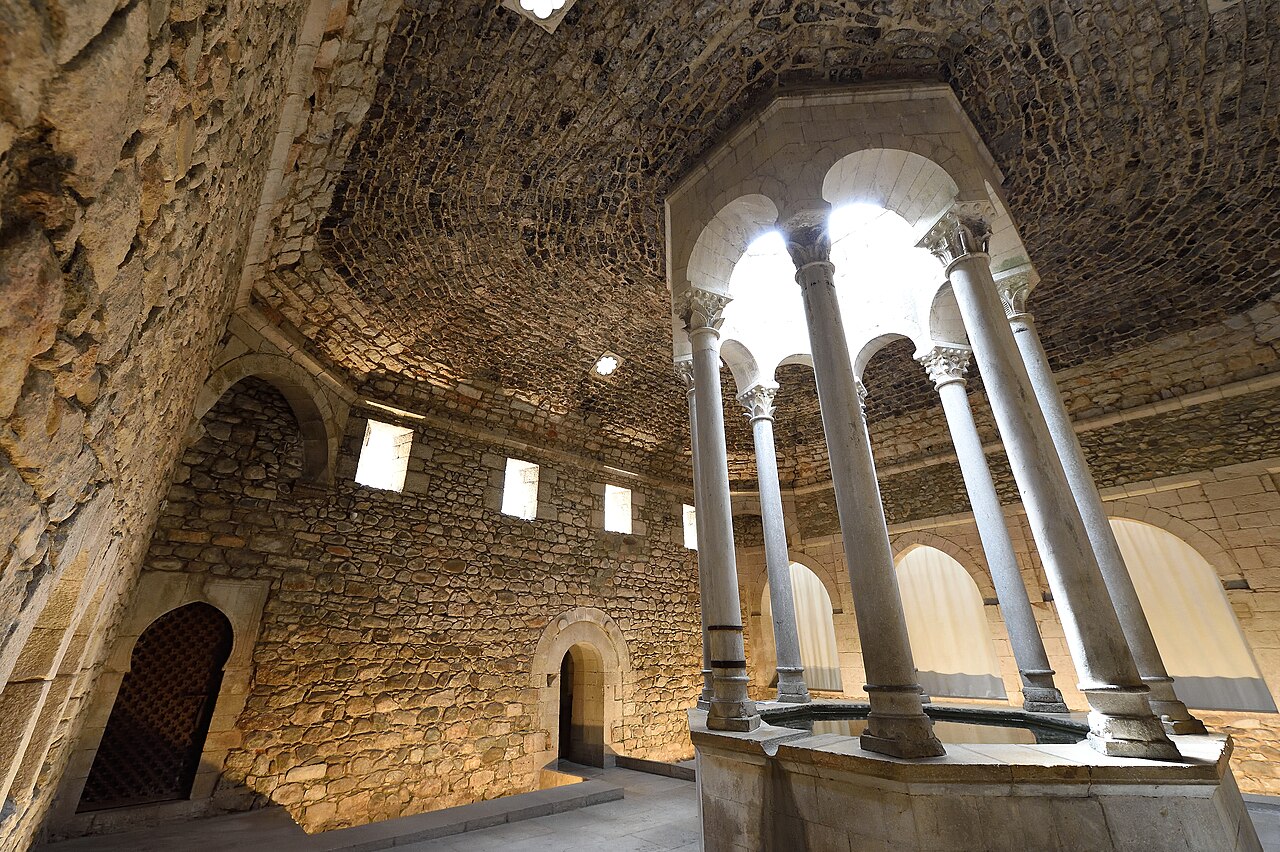
The Arab Baths of Girona are a medieval Romanesque building dating from the 12th century, inspired by earlier bathhouse designs. They are not Roman baths preserved from antiquity. The entrance hall and the structure above the central pool help explain why this place has such a recognisable identity.
Treat the visit as an opportunity to explore heritage, not as a bathing experience. Set aside time to walk through the rooms and observe the light and proportions. If you enjoy photography, respect the monument’s rules and avoid blocking the route while waiting for a shot without visitors.
The basilica of Sant Feliu lets you continue exploring the religious heritage of this part of the city. Choose between stopping outside and going in according to the time you have left. After the cathedral and baths, it is easy to underestimate how tired you are just because the next building looks close.
The complex of Sant Pere de Galligants and Sant Nicolau adds Romanesque architecture to the route. The former monastery of Sant Pere now serves a museum purpose. If you enjoy cloisters and architectural sculpture, it may warrant time that another visitor would prefer to spend walking along the river.
The city walls of Girona offer elevated walkways and towers overlooking the city. The municipal website includes an access map. Consult it to choose your entry and exit points before climbing up, especially if you have a booking afterwards or need to return to the station.
A good strategy is to select one section and give it a purpose within your itinerary: seeing the centre from above before returning to its streets. Do not automatically add the entire walk after a long morning of museums. Your walking time should include stairs, stops and the route from your exit to the next destination.
In hot weather, prioritise the cooler parts of the day; in rain or on slippery surfaces, reconsider the climb. Carry water and do not expect continuous shade. Access hours also change throughout the year, so check them before leaving the walls until the end of the afternoon.
The railway station in Girona is served by regional and high-speed trains. From Barcelona, compare journey times, departure stations and prices for your specific date. A faster train may justify the extra cost on a short day trip; with more time available, another service may suit your budget better.
Do not choose solely by the arrival time printed on the ticket. Add the journey to your station in Barcelona and the walk to the first monument in Girona. Booking admission immediately after the train arrives leaves no room for getting your bearings, handling luggage or minor delays. Schedule your main commitment after this arrival period.
Girona-Costa Brava Airport is separate from the station in the city centre. Consult Aena’s bus connections and confirm where your chosen service goes. A connection advertised for Barcelona is not the same as transport to central Girona. Include the final journey to your accommodation in your calculations too.
If you land at Barcelona-El Prat, first organise your connection to the train or coach service for Girona. Compare the complete journey from your flight’s terminal. Avoid assuming one airport is more convenient simply because of a route’s commercial name or a slightly cheaper flight ticket.
If driving, check parking and access conditions before entering the centre. Municipal information provides guidance on the Girona low-emission zone; check what applies to your vehicle and travel dates. For a visit focused on the Barri Vell, parking once makes the day simpler.
Morning: arrive at the station, head towards the Onyar and cross one of the bridges. Continue through the Call and choose your first indoor visit: the Jewish museum or cathedral. Allow time to walk between them without feeling obliged to enter both. This gives your morning a clear focus and room for stops.
Lunch: head downhill to somewhere to eat along your route, instead of crossing the city for a single recommendation. Check the menu, how long service will take and the full cost. If you want a leisurely lunch, reduce the afternoon’s indoor visits so you do not spend the meal watching the clock.
Afternoon: plan the Arab Baths, Sant Feliu and Sant Pere area around the admission tickets you have chosen. Add a section of the walls only if time and energy allow. Return along the river and leave a comfortable margin to reach the station before your train back.
With an overnight stay: spread the museums over two days and keep the second morning for a visit that would have felt rushed the day before. The Cinema Museum, devoted to the history of images and visual entertainment, offers a different theme from medieval heritage. Check that it is open before choosing it for a rainy day.
For a pastry break, the xuixo is a speciality highlighted by the municipal tourism office. Fit the stop into a route you are already taking, without turning it into another long detour. Sitting down for a break halfway through the walk can restore more energy than adding one final monument out of a sense of duty.
Barri Vell: suits visitors who want to start and end the day in the historic streets. Before booking, ask about stairs, a lift, access with luggage and the room’s position. The charm of an old building can come with a layout that is less practical for pushchairs or large suitcases.
Mercadal and the riverside centre: are areas to compare when balancing historic sightseeing with meals and journeys around town. Check the distance to the bridge you will use; being on the opposite bank does not necessarily put you far from your route, but the exact location still matters.
Station area: can be useful for a late arrival, early departure or a trip involving several rail journeys. Work out the walk to the Barri Vell and decide whether you prefer doing it daily to carrying luggage through historic streets only at the beginning and end of your stay.
AL Rental is adding direct properties. Until there is a suitable option in its catalogue for your dates, Booking can help you compare external alternatives. Check the location and rate conditions without confusing accommodation on that platform with AL Rental’s own availability.
Booking too many indoor visits: the cathedral, Jewish museum, baths and other museums all deserve your attention. Choose those that interest you most and keep the rest as possibilities. A combined ticket only offers value if you have the time and inclination to use the admissions it includes.
Ignoring the slopes: nearby streets may be separated by steps. Consult the municipal accessibility information when you need to adapt your route. Do not use the ease of walking beside the river as a benchmark for the entire cathedral and city walls area.
Adding a beach to an already full afternoon: the Costa Brava needs its own journey. To combine Girona and the sea, set aside another day or change your base. A quick stop in the centre followed by several hours on transport rarely lets you enjoy both experiences properly.
Compare trains and add local travel time. Distinguish Girona station, Girona-Costa Brava Airport and an arrival through Barcelona Airport.
Choose one or two main admission tickets per day. Confirm what they include and the opening hours before organising your walking route around them.
Start at the river and group monuments by area. Include just one section of the walls when time and energy allow.
Compare the historic setting, station access and carrying your luggage. One night lets you spread out museums, uphill walks and breaks more comfortably.
It is enough for a first visit with clear priorities. An overnight stay lets you add museums and walks without fitting every climb into the same day.
The city is inland. The Costa Brava’s beaches are in other destinations within the province and require a separate journey.
Yes. Compare the regional and high-speed services available for your date, including the departure station and ticket conditions.
No. They are a medieval Romanesque monument from the 12th century, inspired by earlier bathhouse designs. This is a heritage visit.
You should not assume so. Check access points, stairs and route conditions. The lower area beside the river allows you to plan a different visit.
Choose an open museum, such as the Cinema Museum or Museum of Jewish History. Reduce outdoor walking and check opening hours.
Spring and early autumn are the most comfortable times for exploring the Barri Vell, city walls and riverbanks on foot. May is particularly attractive during Temps de Flors, but also draws more visitors; July and August can feel hot on exposed climbs, while winter offers a quieter city and shorter days.