Reset Password

Guests
Adults
Ages 13 or above
0
Children
Ages 2 to 12
0
Infants
Under 2 years
0
Close
Your search results
September 11, 2026

Where to Stay in Barcelona: Neighbourhoods, Transport and Beaches

QUICK ANSWER

For a first visit, start by comparing accommodation in the Eixample. Choose the Gòtic or Born to explore the historic centre on foot; Gràcia or Sant Antoni to build your days around neighbourhood life; Poblenou or Barceloneta to prioritise the sea; and Sants when arriving by train and taking day trips are major parts of your plans. The exact address and transport connections matter more than the area’s name.

Deciding where to stay in Barcelona means choosing the journeys you will repeat: heading out in the morning, returning for a rest and coming back after dinner. Accommodation well placed for architecture may involve daily trips to the beach. This guide compares eight areas by their practical advantages, compromises and access, without assigning an entire neighbourhood a quality that depends on the street and building.

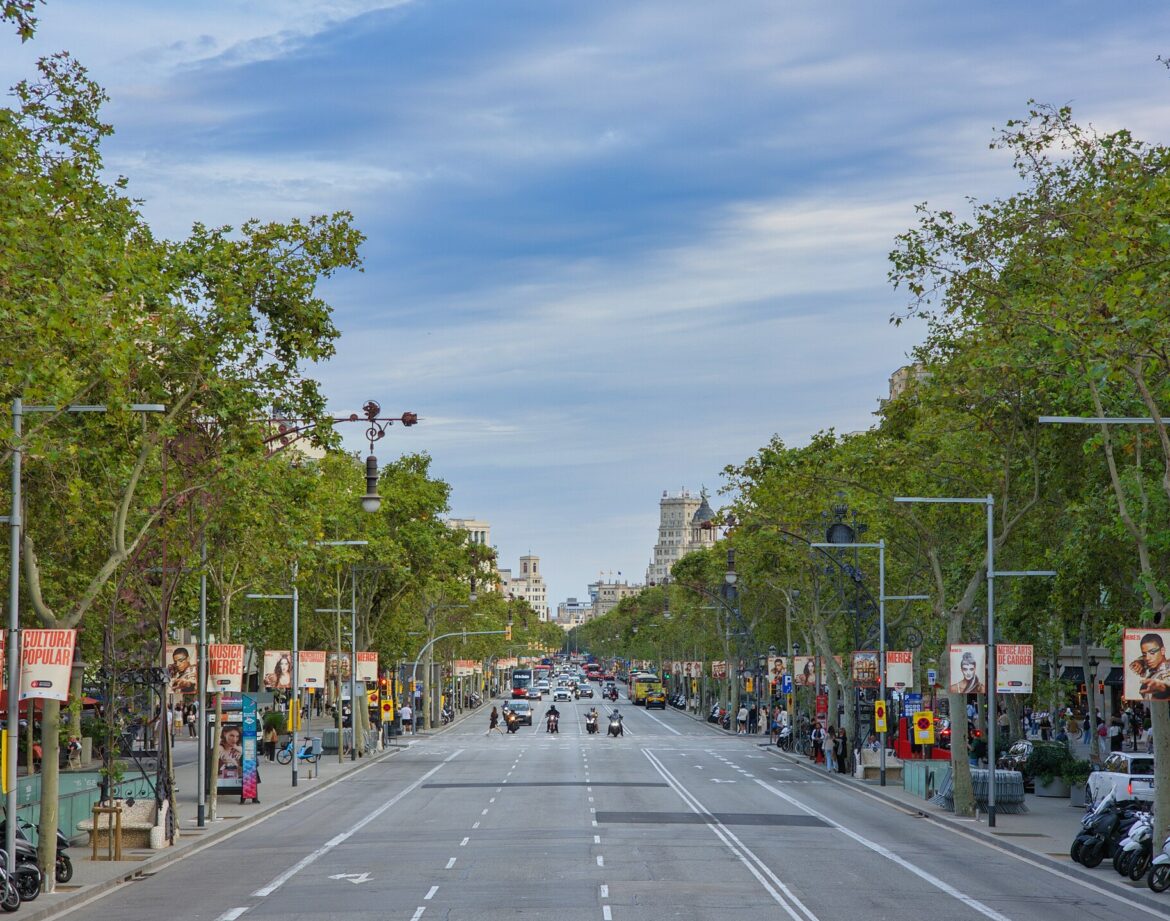
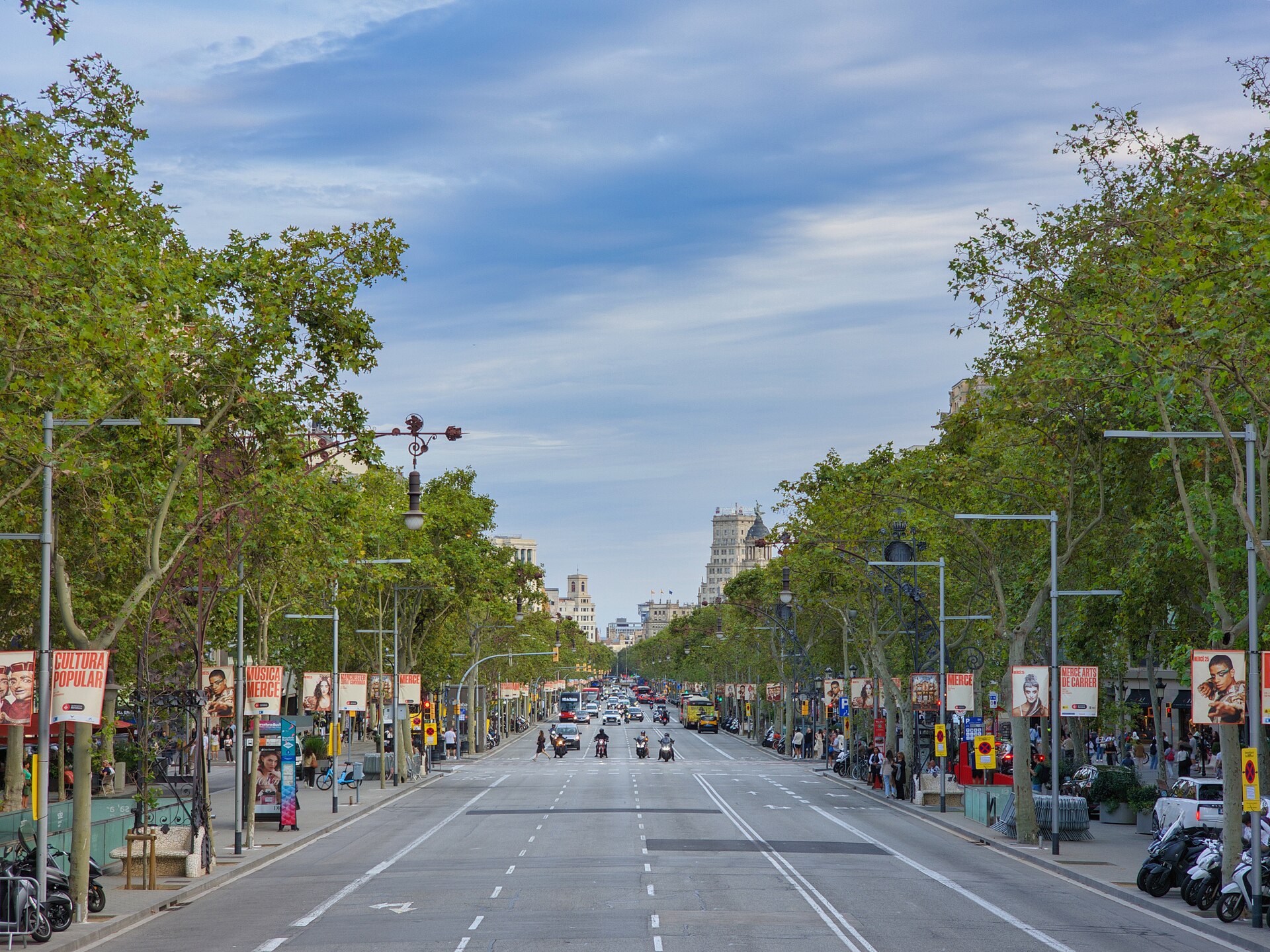
Passeig de Gràcia with trees and buildings in Barcelona's Eixample
Passeig de Gràcia in Barcelona’s Eixample.

Neighbourhood map: start with your itinerary

Picture the historic centre beside the port, the Eixample inland and Gràcia further uphill. Sant Antoni lies on the western side of the Eixample; Sants extends your search further west. Barceloneta occupies the waterfront near the old town, while Poblenou moves your base eastwards.

Open the official TMB metro and bus map and mark three places you genuinely plan to visit. Then compare each property against those points. ‘Central’ is no longer a sufficient description when you want to return to your room between the Sagrada Família and an afternoon at the beach.

Eixample: a versatile base for a first visit

Along Passeig de Gràcia you will find Casa Batlló and La Pedrera, but the Eixample stretches far beyond this avenue. Looking nearby makes sense for combining architecture, walks and transport. An address advertised simply as ‘Eixample’ may involve a very different set of journeys.

Compare two possibilities: paying to be close to the sights you will walk to, or choosing a street further away but near the line you will use. To include beach time, look at access to the L4. For sleep, ask which way the room faces: a window onto an avenue and one facing an internal courtyard offer different experiences. Check natural light and ventilation too; ‘interior room’ does not tell you everything.

Affiliate links: we may earn a commission at no extra cost to you.

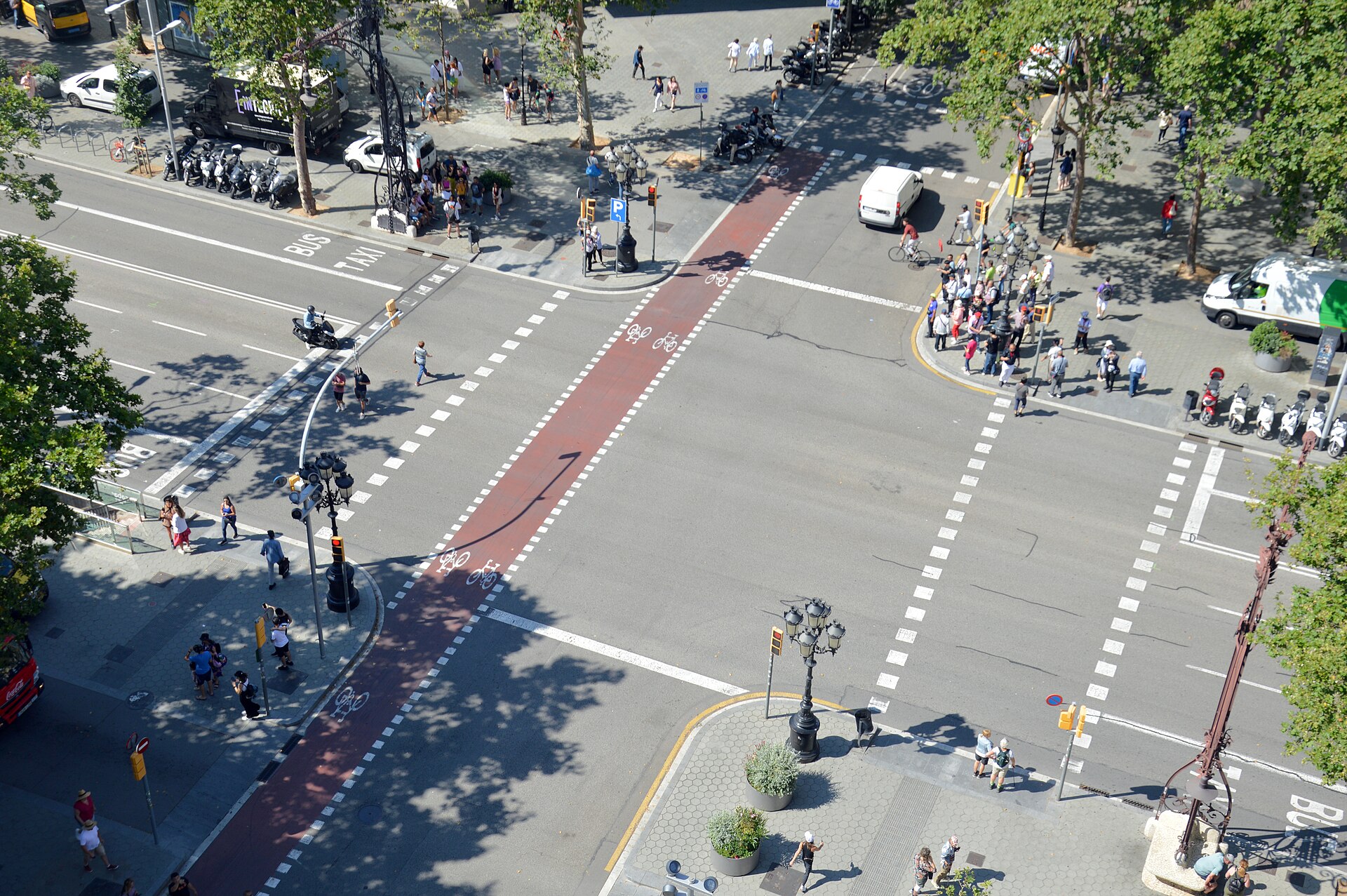
Passeig de Gràcia and Carrer de Provença junction in Eixample
Illustrative image; not a photograph of the property.
EIXAMPLE · BARCELONA

Praktik Bakery

If Eixample fits your plans, Praktik Bakery on Carrer de Provença is an option for exploring Barcelona from an urban base. The bakery is part of the hotel’s concept, but that does not mean breakfast is included in every rate.

Plan your stay: If the bakery is part of the appeal, compare breakfast-inclusive rates. The Eixample location gives you a base for exploring on foot and by metro.

Check hotel availability

Affiliate link

Gòtic and Born: two ways to stay in the historic centre

Gòtic: heritage on your doorstep

The Barri Gòtic brings together the cathedral, Plaça de Sant Jaume and Plaça del Rei. It is a logical choice if you want to spend plenty of time in the old town, making short visits and returning to your accommodation between them.

The compromises lie in the building and the final approach. Before booking, check for a lift, steps at the entrance and where a taxi can drop you off. When choosing a room, find out whether its window faces a through street or an internal space. Do not infer peace and quiet from photographs of an empty square. For daily beach visits, compare this base with an address that is actually beside the sea.

Born: museums, walks and links to the waterfront

The Born, in the Ribera area, suits visitors who want to combine historic streets and cultural visits. The official tourism website places Santa Maria del Mar and the museum stretch along Carrer Montcada in La Ribera. Use these landmarks to understand where accommodation advertised as ‘Born’ is located.

The side closer to the Ciutadella is useful for walks in the park; the Santa Maria del Mar side may suit a walk to Barceloneta better. Neither option is equivalent to staying on the beach. Being nearby can save journeys for dinners and evenings out, but check the room’s sound insulation and reception arrangements if you expect to return late.

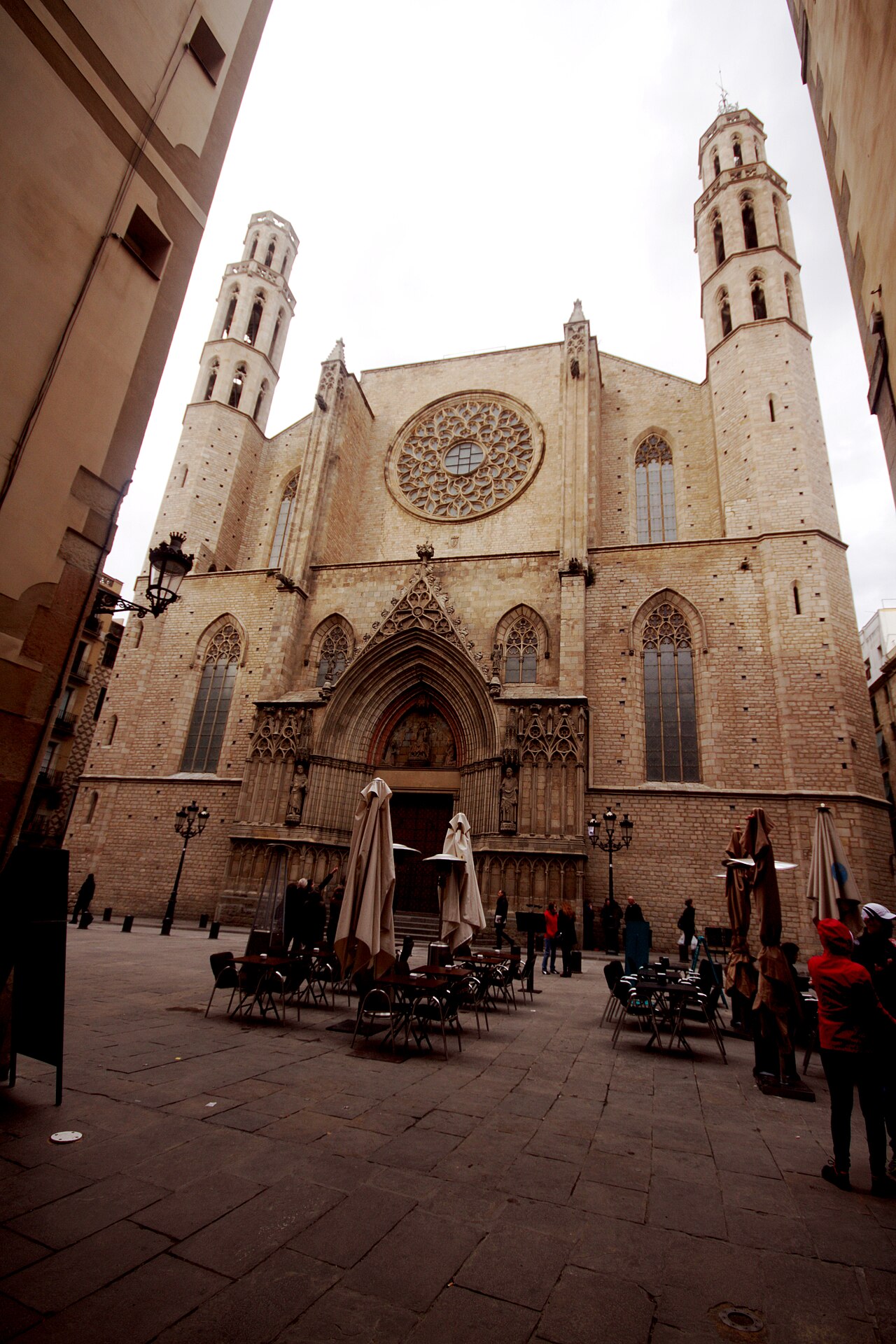
Exterior of the Basilica of Santa Maria del Mar in the Born neighbourhood
Santa Maria del Mar in the Born.

Gràcia and Sant Antoni: staying close to neighbourhood life

Gràcia: squares and longer stays

The squares of Gràcia, including Plaça del Sol and Plaça de la Virreina, help you plan walks without moving from one monument to another. The area is worth comparing for a longer stay, when you want meals and short outings close to your accommodation.

Do not confuse Gràcia with Passeig de Gràcia: the similar names can conceal a different location from the one you imagined. Check the specific station and the route to your accommodation. A beach visit will be a planned journey, not an immediate extension of your morning. A square with outdoor tables may also stay lively into the evening; if rest is a priority, ask where the room faces before placing a premium on the view.

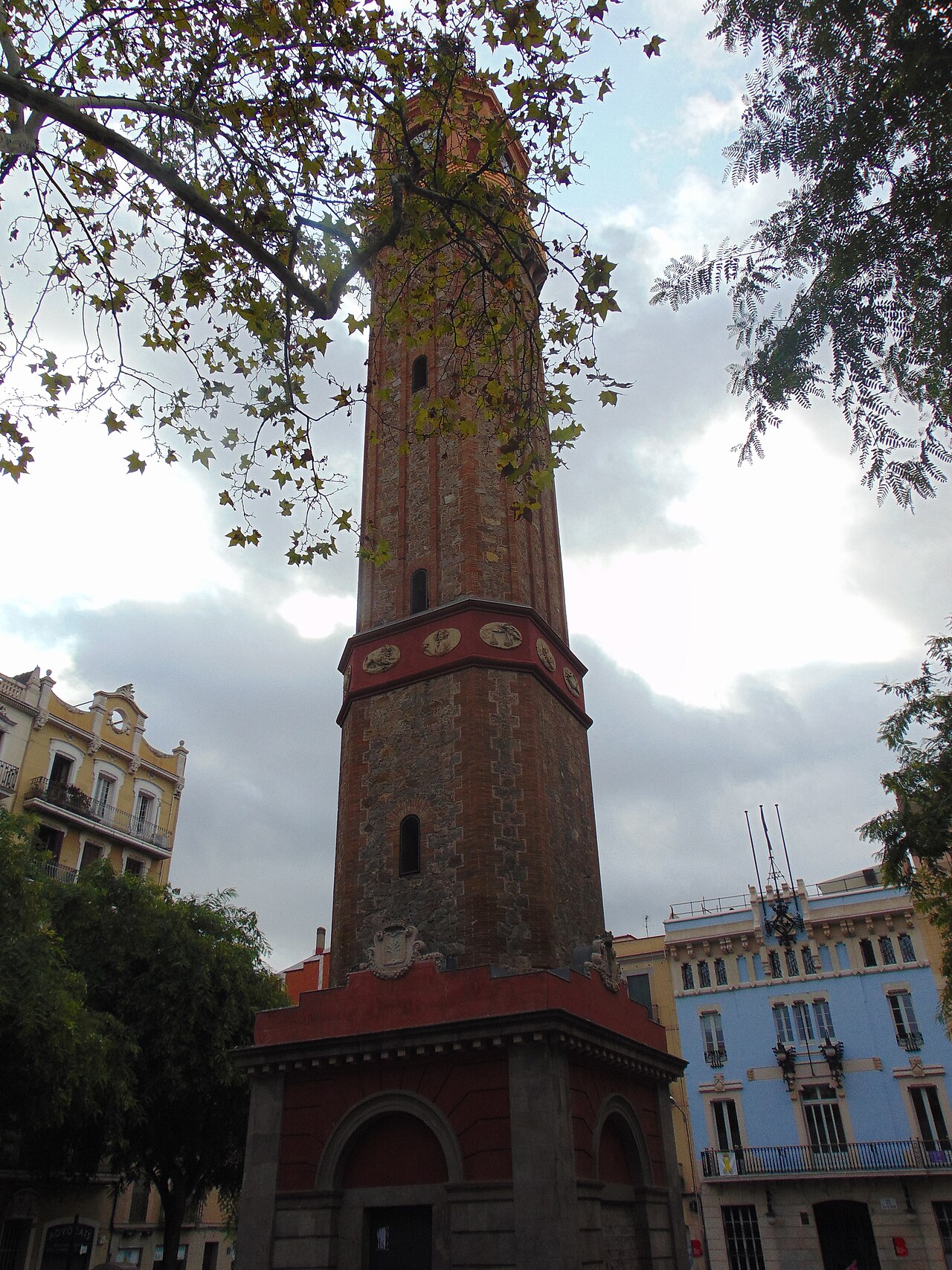
Campanar de Gràcia, the clock tower in Plaça de la Vila de Gràcia
Gràcia’s clock tower.

Sant Antoni: meals, the market and access to the centre

The Mercat de Sant Antoni is a useful landmark for locating this part of the Eixample. Sant Antoni can work if you prefer to divide the day between walks, meals in the neighbourhood and visits to the centre, instead of heading out with a full programme lasting until nightfall.

Compare the market area with locations near Universitat or Paral·lel, depending on your itinerary. A neighbourhood name does not guarantee the same station on your doorstep. If you plan to cook, value the equipment and dining space; a photograph of a small worktop does not prove it will be comfortable to prepare meals for four people. For the beach, work out the entire connection before choosing.

Poblenou and Barceloneta: when the sea shapes your choice

Poblenou: combining the beach with a neighbourhood routine

The Rambla del Poblenou serves as a shopping and social hub. Looking for accommodation between this street, the coast and an L4 station can balance swimming, meals and visits to the centre. It is an option to consider with children who need to come back for a rest.

However, Poblenou also appears in listings for addresses further from the sand. Measure the walk to the beach and the metro separately: moving closer to one may put you further from the other. For a break focused on monuments, compare the accumulated journey time with a base in the Eixample. The advantage grows when you will actually use the coast on several days.

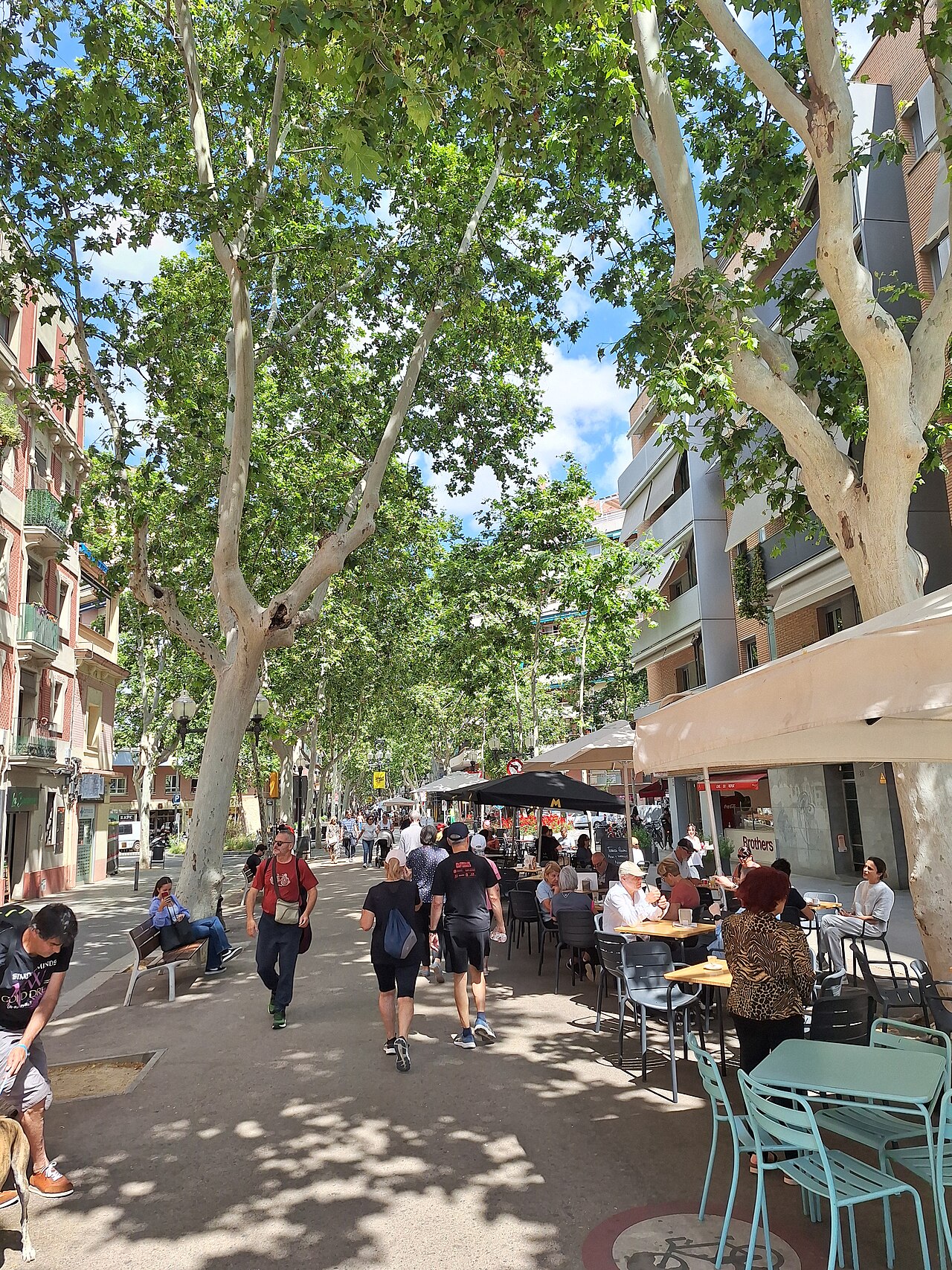
Walkway and buildings along Rambla del Poblenou in Barcelona
Rambla del Poblenou.

Barceloneta: close to the sea and port

The beach at Barceloneta is linked to the maritime neighbourhood of the same name. This base is appealing if you want to walk beside the sea before breakfast or return easily after a swim. It also lets you combine your stay with walks around the port area.

Before booking, compare usable floor space, storage and building access. An apartment near the sand becomes less useful if there is no room for suitcases or drying towels. Check the distance to the station: ‘Barceloneta’ may refer to the neighbourhood, beach or metro. For frequent visits further inland, test the routes before paying more for a seaside location.

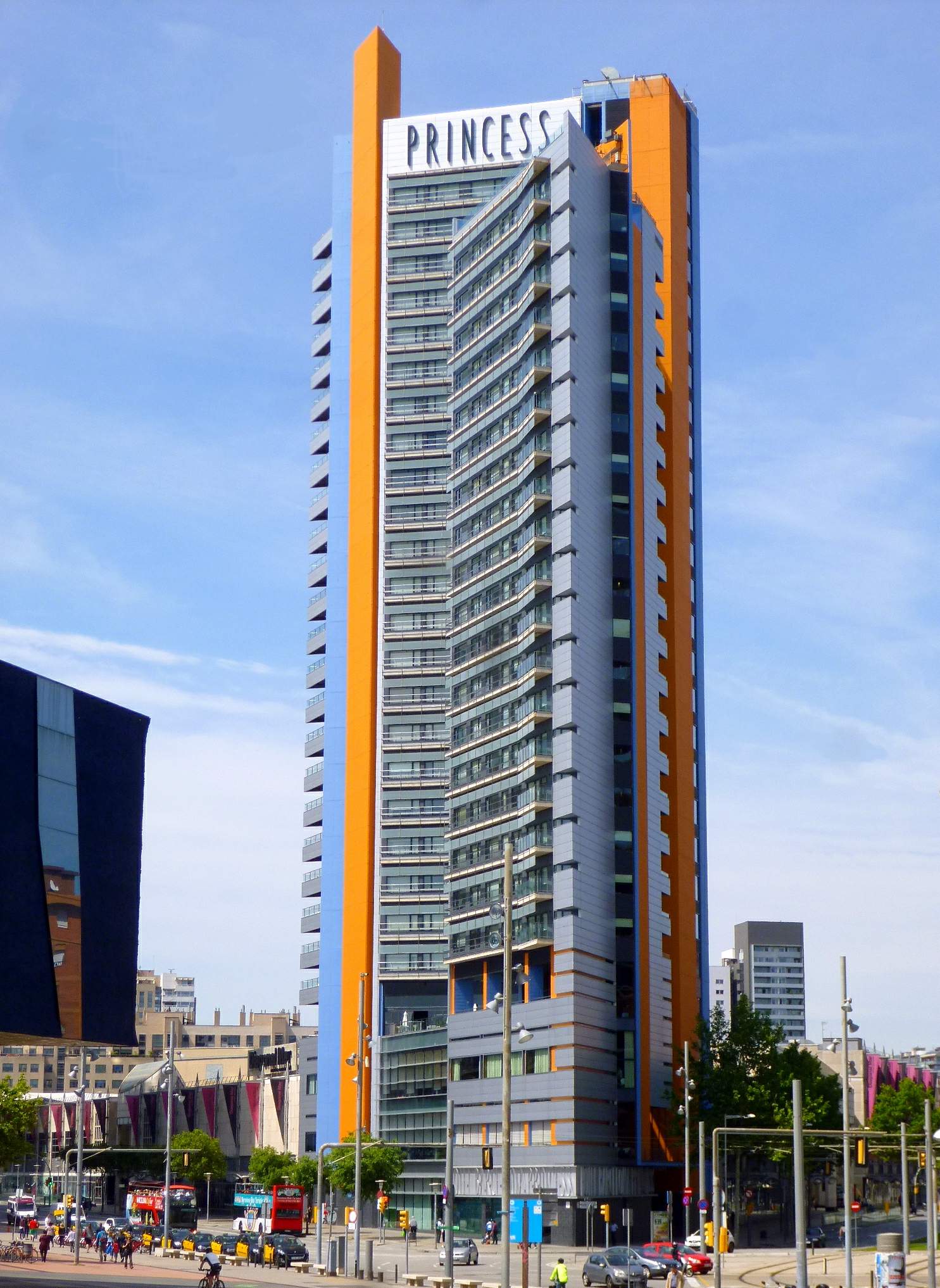
Barcelona Princess Hotel building in Diagonal Mar, Barcelona
DIAGONAL MAR · BARCELONA

Barcelona Princess

For a stay around Diagonal Mar and the Fòrum, Barcelona Princess is worth considering. This location suits plans combining the seafront with metro journeys better than a trip focused entirely on the Gothic Quarter.

Plan your stay: Choose this area for Diagonal Mar, the Fòrum and the waterfront. Allow for the metro journey when planning visits to the historic centre.

Check hotel availability

Affiliate link

Sants: when train arrivals and departures matter most

The Barcelona Sants station combines rail services with connections to metro lines L3 and L5. Staying nearby can simplify an early departure, arrival with luggage or excursions that actually leave from there. Always check the station printed on your ticket.

Sants is worth comparing for the trip as a whole, not on the assumption that it will necessarily be cheaper. One night beside the station can be practical; changing hotels during a three-day stay also takes time. If you stay there throughout, compare access to monuments and set aside one continuous period for the beach, avoiding repeated trips across the city on the same day.

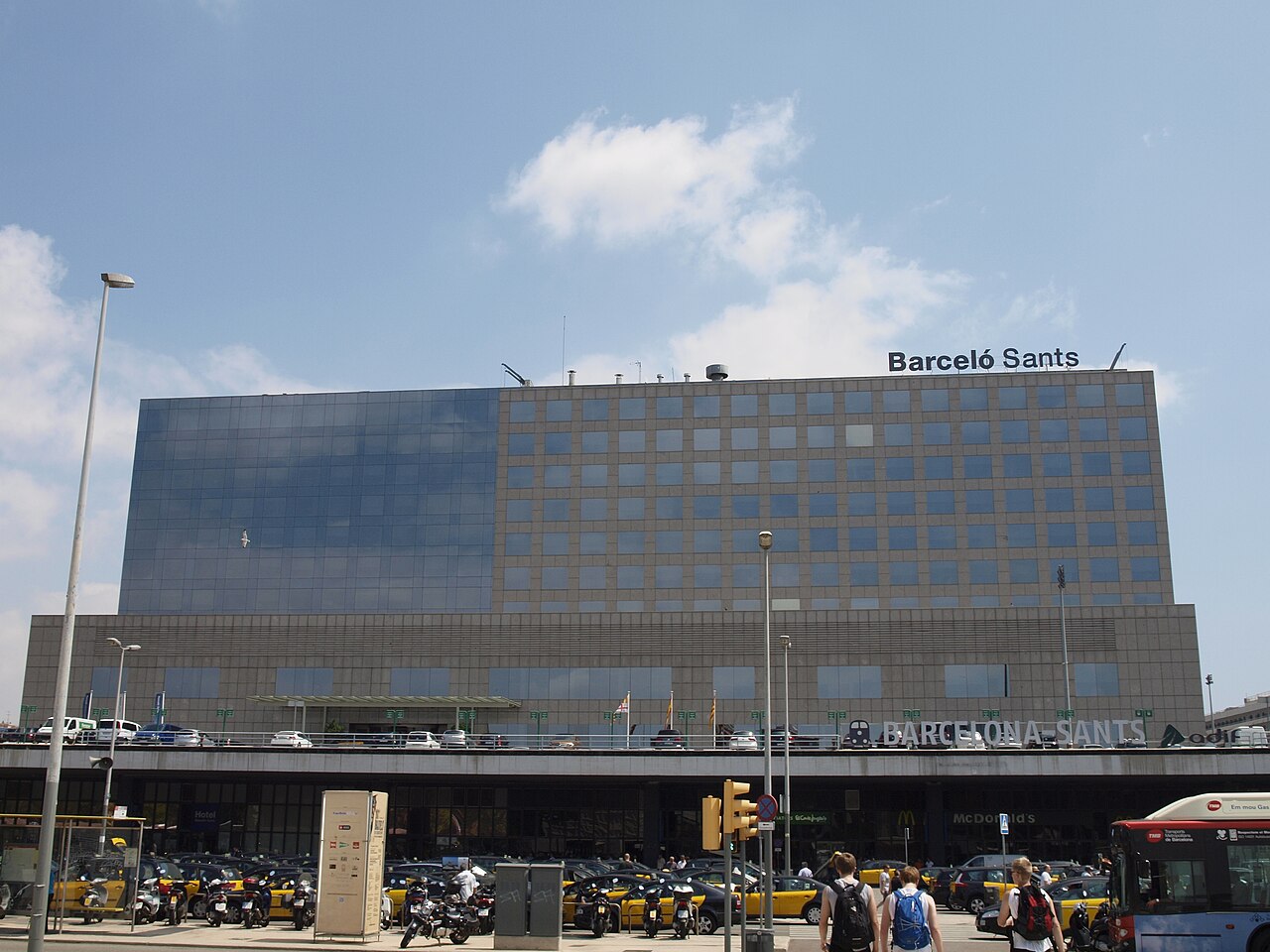
Barceló Sants Hotel façade above Barcelona-Sants railway station
SANTS · BARCELONA

Barceló Sants

If you arrive by train or have an early departure, this hotel above Barcelona-Sants station can simplify the logistics. It is a choice for rail and metro connections, rather than for staying in the heart of the historic centre.

Plan your stay: A train arrival or early departure makes this location above Barcelona-Sants particularly useful. Match your nights to your rail schedule and compare breakfast-inclusive rates.

Check hotel availability

Affiliate link

Transport: check three journeys before booking

Test your arrival, main sightseeing visit and return from dinner. Check the line and interchanges on the TMB map; use the full address in the journey planner. A nearby station may involve a long transfer or leave you far from the entrance you need. If you have reduced mobility, check lifts and the route at street level.

From the airport, the L9 Sud serves terminals T1 and T2 and connects with other lines. It does not go directly to Plaça Catalunya. TMB states that the T-casual is not valid at Aeroport T1 and Aeroport T2 stations; check which ticket you need before entering. Compare the metro with the other connections listed by the operator.

For the coast, TMB identifies access via the L4 and by bus. Taking a bus may reduce the final walk. Check services for your actual date and time, especially when returning at night; do not assume continuous operation or accessibility on every route.

Finding a cheaper stay without losing a convenient location

Compare the total for the same dates, occupancy and conditions. Sants, Sant Antoni and less central parts of the Eixample are options to investigate, not guarantees of low prices. Add any extra travel caused by the location and any charges shown during booking to the accommodation cost.

For example, over four nights, a difference of twenty euros per night amounts to eighty euros in total. Decide whether that saving justifies the group’s extra journeys. For families, check beds, a lift and the kitchen; for a short stay, paying for a straightforward arrival and luggage storage after checkout may be more useful.

If your group has different interests, check that everyone can return independently. A base in Poblenou can suit someone spending the morning by the sea while another person visits the centre; in the Eixample, the balance may favour sightseeing. The choice works better when nobody depends on a car or on someone else carrying the key to get back for a rest. Confirm how many sets of keys are provided.

AL Rental is adding direct accommodation. Check whether a published property is suitable for your trip. When there is no matching inventory, Booking is an external alternative for comparing options; it does not indicate availability in AL Rental’s own accommodation. Read the conditions of the specific rate, including payment and cancellation.

A three-day itinerary to test your base

Day one: arrive, settle in and walk around your chosen neighbourhood. In the Eixample, focus on a street such as Passeig de Gràcia; in the Born or Gòtic, explore nearby streets. Avoid starting by crossing the city with luggage and a timed booking ahead of you.

Day two: devote the morning to your priority cultural visit and the afternoon to a nearby area. If you chose Gràcia, you can end the day in its squares; if you chose Sant Antoni, return for dinner. This arrangement helps you see whether returning to your room during the day is worthwhile.

Day three: set aside half a day for the coast, returning to your accommodation before departure. From Poblenou or Barceloneta, make the most of being close; from Sants, keep it as one continuous outing. If conditions are unsuitable for the beach, use the time for a cultural visit after checking availability.

Mistakes that change your experience of a stay

Choosing by the listing’s label: the Eixample is a large area and Gràcia is not Passeig de Gràcia. Save the full address before comparing routes.

Confusing a lively setting with good sleep: the Born, Gràcia or Barceloneta can suit different interests even within the same street. Ask which way the booked unit faces and about sound insulation, without labelling whole neighbourhoods as quiet or problematic.

Booking by a beach you will not use: on a trip centred on museums and architecture, a seaside location can add journeys. Conversely, returning to the sand daily from a distant base reduces your freedom to rest at your accommodation.

A practical plan for choosing accommodation

Priorities

Mark three essential visits and decide how many days you will use the beach. Choose your area around those routes.

Address

Check the station, final walk and access with luggage. Compare the actual room, including lift access and which way the windows face.

Booking

Compare totals for the same occupancy, beds and conditions. Check late arrival arrangements and luggage storage when you need them.

Flexibility

Group visits by area. Keep a cultural alternative for your beach time, without changing accommodation on impulse.

Frequently asked questions about where to stay in Barcelona

What is the best area for a first visit?

The Eixample is a versatile starting point for comparisons. Choose the address according to your priority sights and the transport line you will use.

Where should you stay in Barcelona near the beach?

Compare Barceloneta and Poblenou by the actual route to the sand. Barceloneta puts you closer to the port; Poblenou lets you build more days around neighbourhood life and the coast.

Is the Gòtic or Born better?

The Gòtic suits visits around the cathedral and historic squares. The Born works for plans involving the Ribera museums and Ciutadella. The building itself may break the tie.

Is Gràcia on Passeig de Gràcia?

They are not the same location. Passeig de Gràcia links Plaça Catalunya with the Gràcia area. Check the address to avoid booking with the wrong expectations.

Is Sants worthwhile for three nights?

It can be if you arrive at or depart from that station and the daily routes work for you. Compare the whole stay before choosing solely for the first or last journey.

Where should you stay with children?

The Eixample may make urban sightseeing easier; Poblenou may favour beach days. Check the kitchen, beds, lift and possibility of returning for a nap at the specific property.

Best time to stay in Barcelona

Spring and early autumn are the most balanced times for exploring neighbourhoods and sights on foot, with generally more comfortable temperatures than high summer. In July and August, a base near the beach or with air conditioning becomes more valuable, but demand is higher; winter brings less visitor pressure, although days are shorter. Choose the neighbourhood for the type of trip, not only the season.

Photographs from Wikimedia Commons, used under their respective licences. Authors, sources and licences are listed in the credits below.

Photo credits
  1. Passeig de Gràcia in Barcelona’s Eixample. Photograph: Celsoazevedo, CC BY 4.0, via Wikimedia Commons.
  2. Passeig de Gràcia crossroads in the Eixample. Photograph: DimiTalen, CC0, via Wikimedia Commons.
  3. Santa Maria del Mar in the Born. Photograph: José Luiz, CC BY-SA 3.0, via Wikimedia Commons.
  4. Gràcia’s clock tower. Photograph: Nicholas Gemini, CC BY-SA 4.0, via Wikimedia Commons.
  5. Rambla del Poblenou. Photograph: Pere López Brosa, CC BY-SA 4.0, via Wikimedia Commons.
Share