




Choose a base in the Valencian Community
When deciding where to stay in the Valencian Community, Valencia is best for city life and public transport; the Costa Blanca, for beaches and variety; Gandia for family holidays; and inland areas for quiet stays with a car. Don’t just choose based on the price of accommodation: compare travel, parking and the desired experience.
A good base reduces time on the road and improves both rest and the overall trip.
Deciding where to stay in the Valencian Community requires distinguishing three different trips: urban getaway, beach holiday and car itinerary. The region spans three provinces and offers very different realities.
This guide compares bases with practical criteria: airport, train, beach, nightlife, families, teleworking, car and budget.
Valencia: the best urban base without a car
The capital brings together an airport, train, metro, museums, markets and the beach. It is the simplest base for a first urban visit and allows you to spend several days without a car.
Choose the historic centre for atmosphere, Ruzafa for restaurants, City of Arts area for modern architecture or Cabanyal for proximity to the sea.
Affiliate links: we may earn a commission at no extra cost to you.
Affiliate link
Valencia city centre
Culture and walking, with higher prices and noise on certain dates.
Gandia
Wide beach, families and rail connection to Valencia.
Marina Alta
Dénia and Jávea for beaches, gastronomy and a week-long holiday.
Marina Baixa
Benidorm and Altea for entertainment or atmosphere, depending on the area.

Costa Blanca: variety of bases
Dénia is versatile, Jávea scenic, Calpe compact, Altea tranquil, Benidorm intense and Torrevieja practical. The distance on the map does not reflect traffic, parking and access to coves.
For a week, choose a base and go on excursions within a reasonable radius. Changing accommodation rarely pays off between nearby locations.
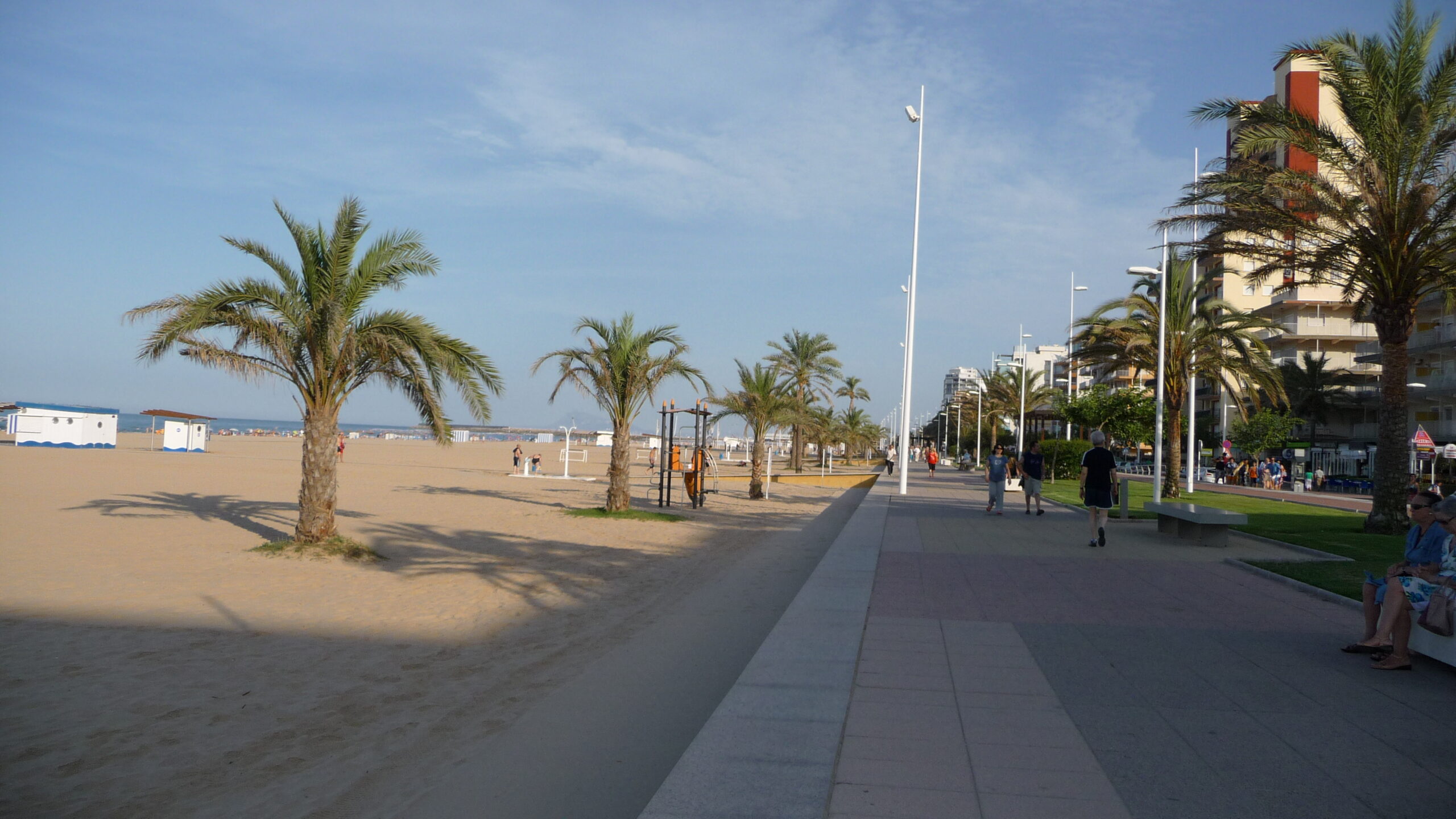
Valencia Coast and Gandia
Gandia combines beach, services and a town centre, with rail access to Valencia. Cullera and other coastal areas offer their own profiles. Always confirm the distance between the station, beach and accommodation.
This coast is suitable for families who want sand and simple logistics without depending on the more intense offer in Benidorm.
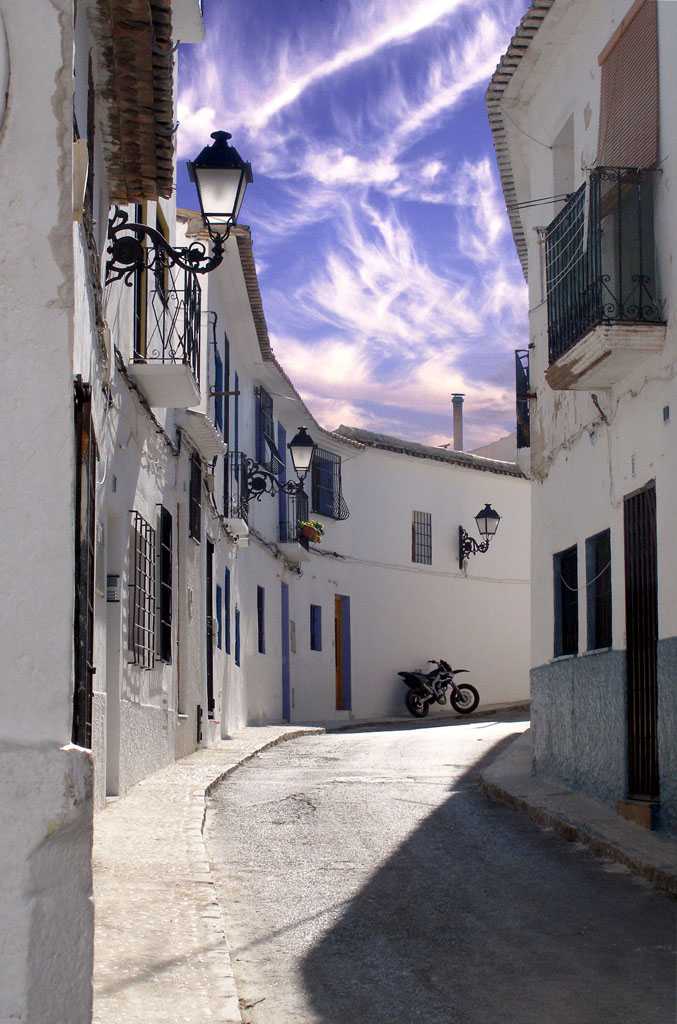
Inland areas: when they make sense
Rural accommodation and small towns offer tranquillity, nature and local character. The car is usually essential and restaurants may keep reduced opening hours.
Confirm mobile coverage, air conditioning, road access and proximity to a supermarket. In summer, inland areas can be very hot; in severe weather, follow official warnings.
Where to stay according to the airport
Alicante serves much of the Costa Blanca. Valencia serves the capital, Gandia and central areas. The best airport depends on the flight and onward transport, not just the distance.
Compare late arrival, car hire, transfer and tolls. A cheap airfare may add two hours to the journey and require an overnight hotel stay.
Affiliate link
Where to stay without a car
Valencia is the most complete choice. Gandia is served by rail and local transport. Benidorm has TRAM and buses, but excursions to coves are still easier by car or tour.
Choose accommodation close to the station or the actual centre and confirm the last connection.
Base for families, couples and long stays
Families value easy beach access, a kitchen, parking and nearby services. Couples may prefer the historic centre, gastronomy and small hotels. Long stays require laundry, supermarket, internet and local routine.
There is no universal base. Turn the group’s needs into clear criteria before opening the accommodation map.
How to decide in ten minutes
Choose the main experience, limit it to two zones, calculate onward transport and compare three accommodations by functionality. Then confirm cancellation and parking.
Also read the guides Valencia and Marina Alta.
How to turn this guide into a realistic plan
Start by writing on one line the main objective of the trip and the limit you do not want to exceed. It might be keeping daily drives under one hour, staying close to the beach, avoiding accommodation changes or remaining within the total budget. This phrase helps eliminate options that are beautiful on the map, but incompatible with the actual trip.
Then, confirm coastal distances, Alicante and Valencia airports, parking and bathing seasonality. Only when these elements are clear should you book secondary experiences. In the Valencian Community and the Costa Blanca, an efficient itinerary leaves room for weather, traffic or tiredness and avoids depending on a single attraction to justify the entire day.
Planning for 3, 5 and 7 days
3-day getaway
Choose a base and two priorities. Leave room for arrival delays on the first day; the second concentrates the main experience; the third is close to the exit route. On a short trip, avoid changing base several times: check-ins and luggage use up time that looked available on the map.
5-day trip
Add an excursion, nature day or second zone, keeping at least a half day flexible. Five days allow you to alternate activity and rest and adjust a choice affected by the weather without eliminating the rest of the itinerary.
7-day holiday
In a week, allocate three essential days, two complementary days and two lighter periods. Repeating a beach, a valley or a city is not a waste: it reduces travel and improves the experience. A week should only have two bases when there is a clear geographical reason.
Budget: compare the total cost
The price per night is just one part. Include arrival transport, local travel, parking, meals, tickets, equipment, insurance and possible cancellation costs. Central accommodation may cost more but save two taxi rides a day; a detached house can work well for a group with a car yet be impractical for travellers without one.
Book services with limited availability first and leave for later what can be decided locally. Read the cancellation conditions and do not confuse the non-refundable rate with automatic savings. Flexibility is valuable when the trip depends on sea, mountains or connections.
Safety and up-to-date information
Opening hours, access, trails, roads and sea conditions change. Check official sources close to departure and confirm the information again the day before. An old publication or photograph does not replace signage, weather warnings or local instructions.
Save documents, addresses and bookings for offline access. Share the plan of demanding activities and do not force an activity just to meet the schedule. Changing the route in the face of rain, heat, wind or snow is a quality decision, not a failure.
Travel with respect for the destination
Park only where permitted, take waste with you, keep your distance from animals and respect private property. In historic centres and residential buildings, reduce noise and follow accommodation rules. Tourism is only sustainable when visitors do not make daily life harder for local residents.
Prefer reputable operators, local businesses and experiences that explain the destination. Do not remove stones, plants or other natural elements and avoid creating new trails. Photographing a place does not require entering closed areas or blocking circulation.
How to assess an accommodation listing
Compare photographs with the description, confirm the exact unit and look for floor plan or bed layout. Read recent reviews about noise, cleanliness, parking and communication. A high rating does not automatically meet your group’s needs.
Check the check-in time, deposit, damage policy, stairs, lift, air conditioning and additional costs. Calculate walking distance using the actual route, not a circle on the map. In sloped areas, a few meters can alter the experience.
When is it worth changing base
Only change if it eliminates significant repeated travel or allows you to have two clearly different experiences. For nearby locations, one accommodation base is usually more efficient. Every move involves packing, travelling, parking, waiting and adapting again.
Errors that reduce the quality of the trip
- Booking before confirming the logistics: check the map, timetables and conditions before deciding.
- Filling every day: keep room for rest and changes.
- Choosing only by price: compare the total cost and lost time.
- Ignore recent reviews: services, noise and access may change.
- Depend on a single experience: always prepare a coherent alternative.
Final checklist before booking
- Main objective and pace of the trip defined.
- Base chosen for logistics, not just photography.
- Transport, parking or transfers confirmed.
- Seasonal activities verified in official source.
- Cancellation, insurance and documentation reviewed.
- Keep one flexible block free in the itinerary.
Quick decision
Without a car, choose Valencia. For family beach holidays, compare Gandia, Dénia and Calpe. For entertainment, Benidorm. For atmosphere and couples, Altea or Jávea. For nature and silence, interior with car.
Experiences for your trip: Valencia / Dénia
Compare meeting points, times and inclusions before booking. Availability depends on your dates and local conditions.
Affiliate link
Frequently asked questions about where to stay in the Valencian Community
What is the best city for a first visit?
Valencia offers the most complete combination of culture, transport and beaches.
What is the best beach area?
It depends on the trip: Gandia for families, the Marina Alta for variety and Benidorm for entertainment.
Where to stay without a car?
Valencia is the easiest option; Gandia and Benidorm also have useful connections.
Alicante or Valencia as an airport?
Choose according to the final destination, arrival time and total onward journey.
Is it worth staying inland?
Yes, for tranquillity and nature, normally with a car.
Dénia or Jávea?
Dénia is more urban and versatile; Jávea stands out for its landscape and coves.
How many bases should I use in one week?
One base is usually enough; two only if you combine distant city and coast.
Where to stay for remote work?
Choose a city or location with reliable services, confirmed internet and year-round activity.
Sources and credits: information checked against the official Valencian Community tourism portal and other official tourism, transport, weather and heritage sources. Real images from the media library retain the credits and licences associated with their original files.