





Valencia deserves a guide that helps travellers make real decisions, not just a list of pretty places. Use this guide to compare where to stay, how to move around, what to visit and when to book. Valencia can work for couples, families, digital nomads and longer stays, but the best area depends on the style of trip, the season and whether you will use a car.
Why Valencia works as a holiday base
Valencia works best when you separate its historic centre, Turia gardens, cultural complex and seafront into manageable visits. A rental near one of these areas will not necessarily put the others on your doorstep. Start with the part of the city you want to use most, then check transport for the remaining days rather than expecting a city break and beach holiday to share exactly the same base.
Valencia is both a city break and a Mediterranean holiday base. That dual identity matters: some travellers want museums and food, others want beach access, and others use the city as the starting point for the Valencian coast. This is why the guide separates the destination into practical zones instead of treating it as one generic place. A holiday rental near the promenade can be perfect for one traveller, while another visitor may prefer a quieter residential street, a hilltop view, or a location with faster road access for excursions.
For background and orientation, you can cross-check the destination with Valencia on Wikipedia and official regional tourism resources. These links are informational only and are not competitors for accommodation bookings.
Best areas to stay
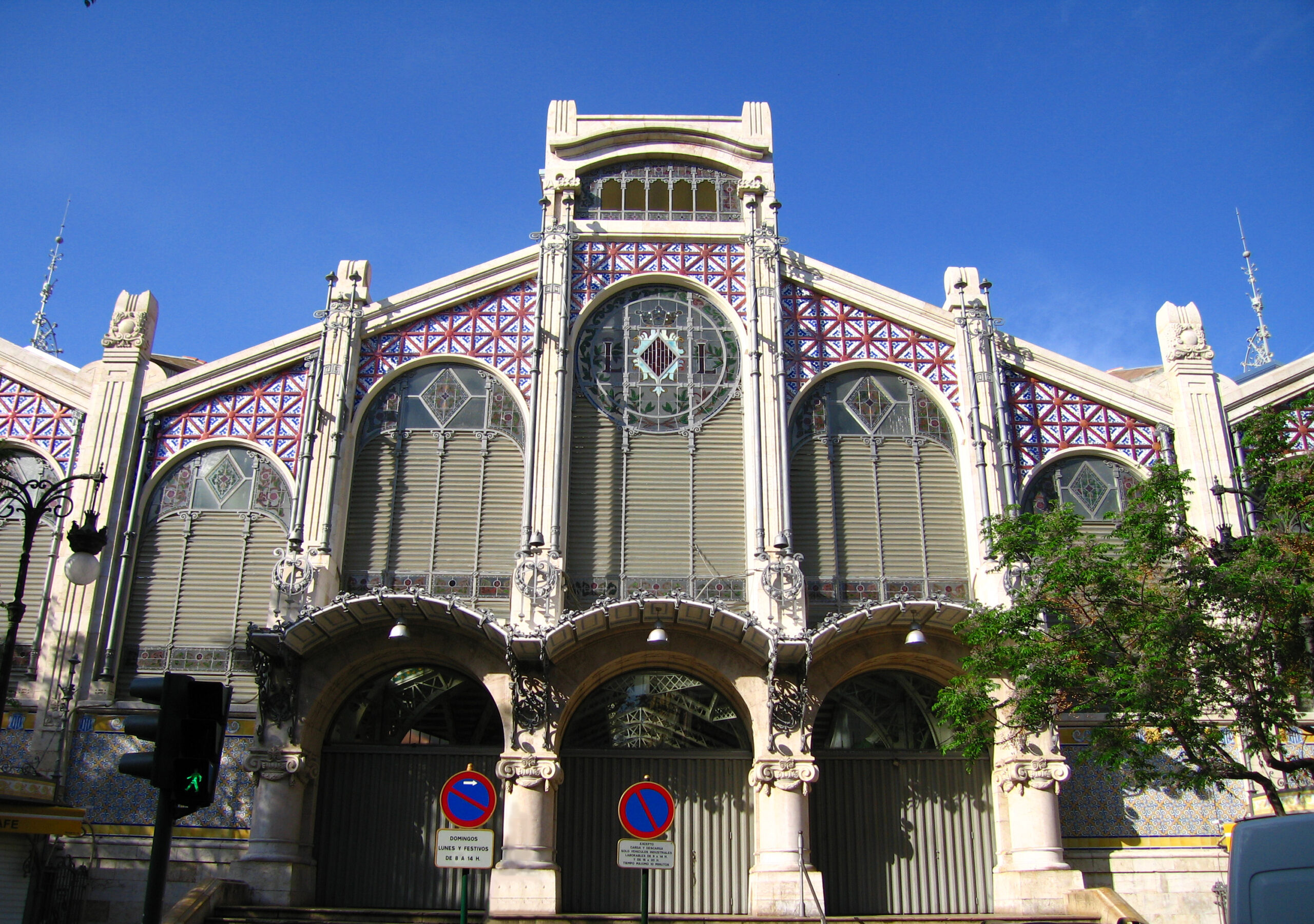
Ciutat Vella works for history and first-time sightseeing. Ruzafa is strong for restaurants and nightlife. Beach districts suit travellers prioritising sea air. Areas near the City of Arts and Sciences work well for families and modern city access.
The important question is not only “is Valencia nice?” but which part of Valencia matches the trip. Families usually value short walks and practical shops. Couples often prefer atmosphere, restaurants and views. Longer stays need comfort, parking and routine.
Who should choose Valencia?
Valencia suits travellers who want culture without losing the Mediterranean lifestyle: food markets, cycling routes, beaches, architecture and events.
It is especially useful for travellers who want a base with enough services around them. If the trip is only about one landmark, a short visit may be enough; if the trip includes beaches, food, excursions and slower days, staying overnight makes much more sense.
What to see and how to organise the itinerary
The historic centre, Central Market, cathedral area and old riverbed gardens create a logical first itinerary. The City of Arts and Sciences adds a very different architectural layer.
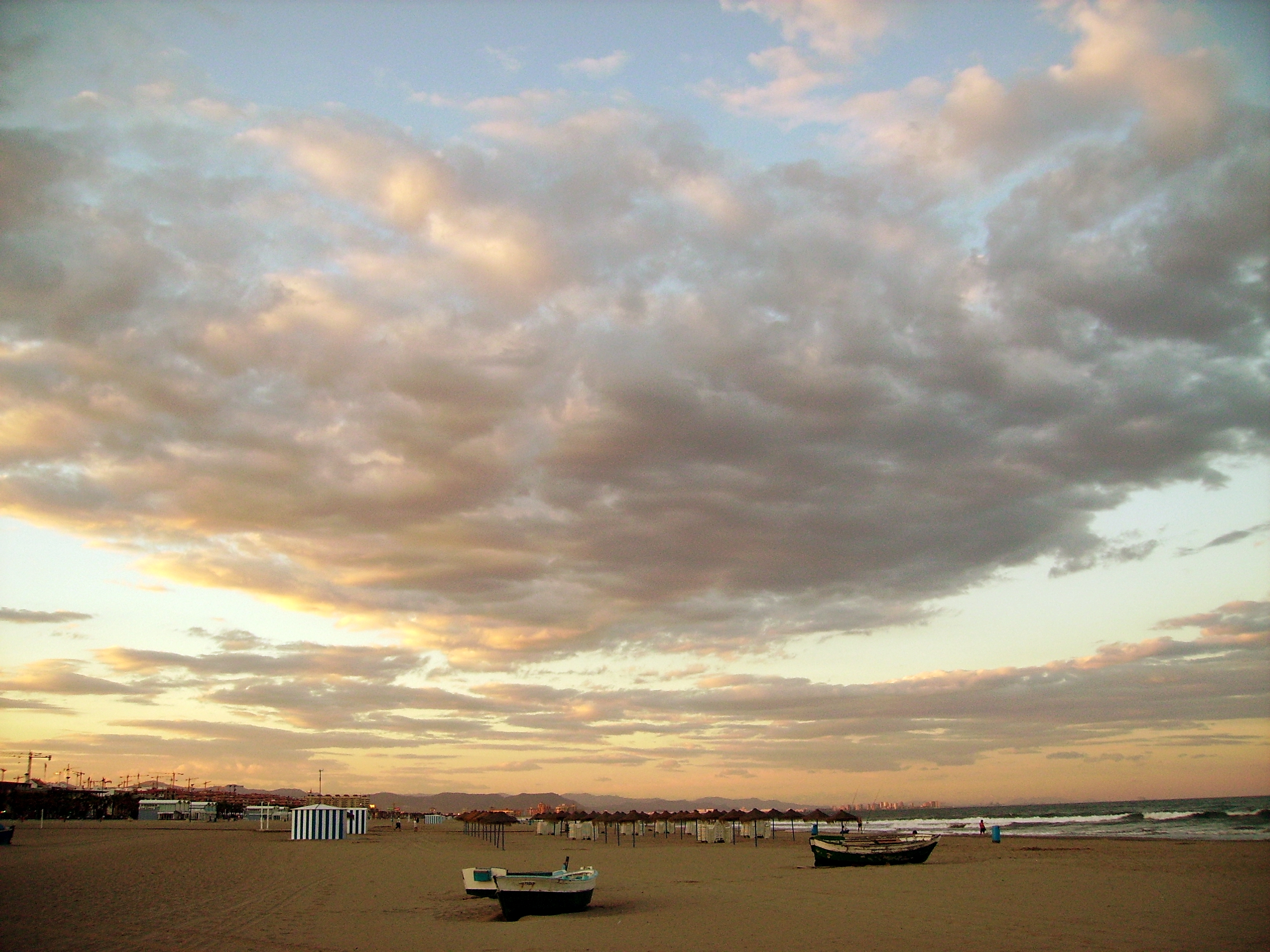
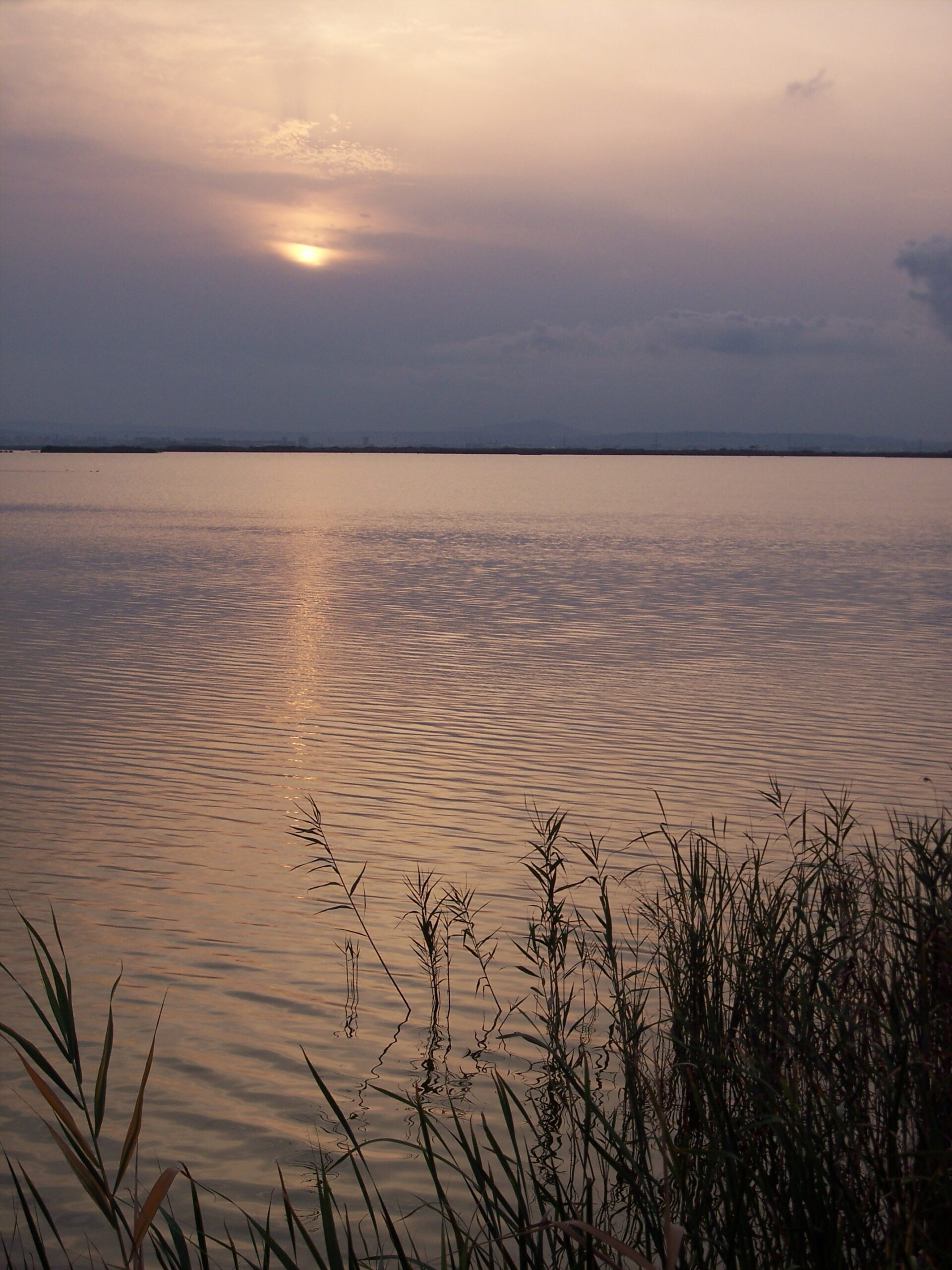
The beach and Albufera should not be treated as afterthoughts. They help position Valencia as both a cultural and coastal base, which is valuable for travellers comparing city-plus-beach holidays.
The City of Arts and Sciences is a group of attractions, not one quick museum stop. Decide whether you want architecture outside, the Science Museum, the Oceanogràfic or another venue, and allow time accordingly. A stroll through the Turia gardens can complement the visit, but you do not need to walk the entire former riverbed to enjoy it.
Season and booking rhythm
Spring is especially strong because of Fallas, but availability tightens. Autumn is excellent for weather and food. Summer works for beach plans, though inland heat can be intense.
In high season, the best rentals disappear early and prices move quickly. In shoulder season, the destination can be calmer and more comfortable, which often creates better value for couples, remote workers and travellers who care about space.
Mobility and day trips
Within the city, walking, cycling and public transport are normally better than a car. For Albufera, Gandia or wider coastal trips, car rental becomes more useful.
Even when public transport or walking works for the centre, a car can open beaches, natural parks and nearby towns. The best approach is to rent only for the days when it improves the itinerary.

Where to stay: practical decision guide
First-time visitors often do best in Ciutat Vella or nearby districts. Beach-first travellers should consider Malvarrosa or Cabanyal, while families may prefer practical access around the Turia gardens.
For Fallas, book early and check street access, noise and transport. During major events, the best “location” is the one that balances atmosphere with sleep.
For a heritage-led trip, check the walk from the accommodation to the cathedral and Central Market area. For a beach-led stay, examine the address around Cabanyal or Malvarrosa and the journey into the centre. If travelling during Fallas, ask how to reach the building with luggage and consider noise before paying for a location advertised as being in the middle of the action.
A practical way to plan Valencia
Keep the cathedral area and Central Market in the same part of your plan. Give the City of Arts and Sciences enough time for the specific venues you choose, then set aside a separate coastal visit rather than adding the beach after every museum. This helps you avoid crossing the city repeatedly and leaves room for meals and the Turia gardens.
A three-day outline could combine a historic-centre day, a day focused on the cultural complex and gardens, and time in the maritime districts and at the beach. Adapt it to your interests: several ticketed venues may need more time, while an architecture walk needs less. For a longer stay, add an outing to the Albufera as a distinct excursion, not as an extra stop on an already full city day.
Suggested first-day rhythm
Use the first day to understand distances, parking, the nearest supermarket and the easiest evening area. A relaxed first day improves the whole stay because it reveals whether the chosen base works in practice.
If the property is well located, the first evening can be simple: a short walk, dinner nearby and a check of the next day’s transport. If the property is outside the main area, confirm the route before committing to early tours.
Common mistakes to avoid
Do not choose accommodation only by price or sea view. Check noise, parking, stairs, lift access, air conditioning and recent reviews. For beach towns, verify whether the beach nearby is sandy, rocky, family-friendly or better for views than swimming.
Also avoid booking too many activities before the accommodation is clear. Once the base is fixed, activities, car rental and day trips become easier to organise.
Compare a heritage-focused base around the centre, access to the Turia gardens, and a seafront stay near the maritime districts. The right choice depends on which journeys you will repeat. During Fallas, the arrival route and ability to rest deserve as much attention as proximity to celebrations; outside the festival, ordinary transport connections matter more.
Accommodation and practical booking options
AL Rental is building direct accommodation options in Spain. When we do not yet have direct properties available in a specific area, we can still help the traveller continue the planning with a clear and transparent bridge to trusted booking partners.
The links below are placed where they make sense in the travel decision: accommodation when the visitor is choosing a base, car rental when the route depends on mobility, and activities when the stay benefits from guided experiences.
Accommodation in Valencia
AL Rental is still building direct accommodation in Valencia. Until then, Booking can help travellers compare hotels and apartments for the exact district they need.
Affiliate link
Continue towards Gandia
If the plan becomes more beach-focused, Gandia can be a logical coastal extension from Valencia.
Activities and experiences
After choosing where to sleep, experiences can make the trip easier to plan: boat tours, guided walks, food experiences, nature routes or family activities. The widget below is included as a practical activity search for Valencia; check language, meeting point, duration and cancellation policy before booking.
Plan this trip with other AL Rental guides
Continue planning with related guides: Marina Alta · Dénia · Benidorm · Gandia · Calpe.
Frequently asked questions about Valencia
How many days do you need in Valencia?
Three days give a useful first outline for the historic centre, cultural complex and seafront. Add time if you want several museums or the Oceanogràfic without rushing. An Albufera excursion is easier when it has its own place in the itinerary.
Is Valencia a good base for families?
Yes, with a manageable route. The Turia gardens can provide a break between visits, while the Science Museum and Oceanogràfic require time according to your interests. Choose a rental that makes the return for meals or rest straightforward.
Do you need a car in Valencia?
A city-only stay can be organised around walking and public transport. Check the actual connections to your chosen venues and beach. Compare a separate excursion transfer or short rental with the cost and parking needs of keeping a car throughout.
When is the best time to visit Valencia?
Choose dates according to the trip: Fallas for the festival atmosphere, or other periods for a more ordinary city routine. Consider heat for long walks and check opening times for specific venues. Beach conditions remain weather-dependent.
Where should you stay in Valencia?
Compare the historic centre for heritage visits, areas with useful access to the Turia gardens, and Cabanyal or Malvarrosa for a beach-led stay. Map the transport between your base and the places you will visit most often.
Is Valencia suitable for remote work or longer stays?
Check internet and workspace, but also the street and daily transport. A busy festival-period address can feel different from the same property outside events. Ask about noise and access during your actual dates, not just a typical week.
What should you check before booking accommodation in Valencia?
Check the route from your arrival point, building access and the journey to the beach or main sights. During Fallas, ask about street access and noise. Do not assume a central address makes every museum and coastal area walkable.
Can Valencia be combined with other Costa Blanca or Valencia destinations?
Yes. Treat the Albufera or other out-of-city visits as distinct outings, allowing time for the return. If continuing farther down the Valencian coast, consider whether a new base makes more sense than repeated long day trips.
Are activities worth booking in advance?
For specific venues in the City of Arts and Sciences, check which ticket and date you need. An exterior architecture walk is different from visiting the attractions inside. Leave time between reservations rather than treating the complex as a single short stop.
Sources and credits: images from Wikimedia Commons; travel information checked against official tourism, transport and heritage resources where available.