Time
One sector per outing. On short stays, focus on nearby beaches; for a week, consider two bases and undemanding moving days.



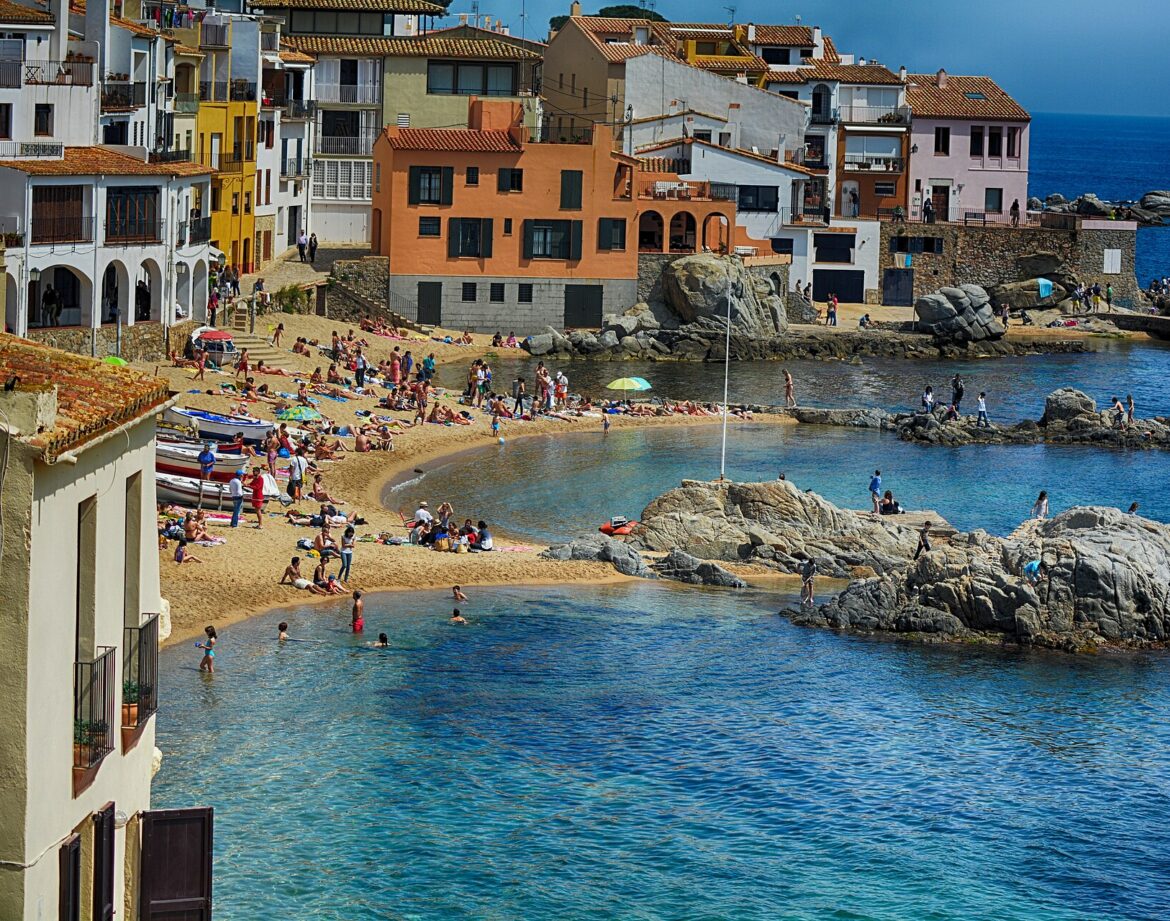
To choose beaches on the Costa Brava, start with the area where you will stay. The south lets you combine towns such as Blanes, Lloret and Tossa; the centre brings together Palamós, Palafrugell and Begur; the north includes L’Escala, Roses and the Cap de Creus area. For one day, choose one of these groups. With small coves, access and the return journey matter just as much as the scenery.
A list of beautiful beaches helps you imagine your trip, but it does not tell you where to park, how far to walk or how to get back to your accommodation. The Costa Brava alternates town beaches, rocky inlets and small beaches linked by paths. This guide organises your choices by area and effort, so you spend more time beside the sea and less time retracing your route.
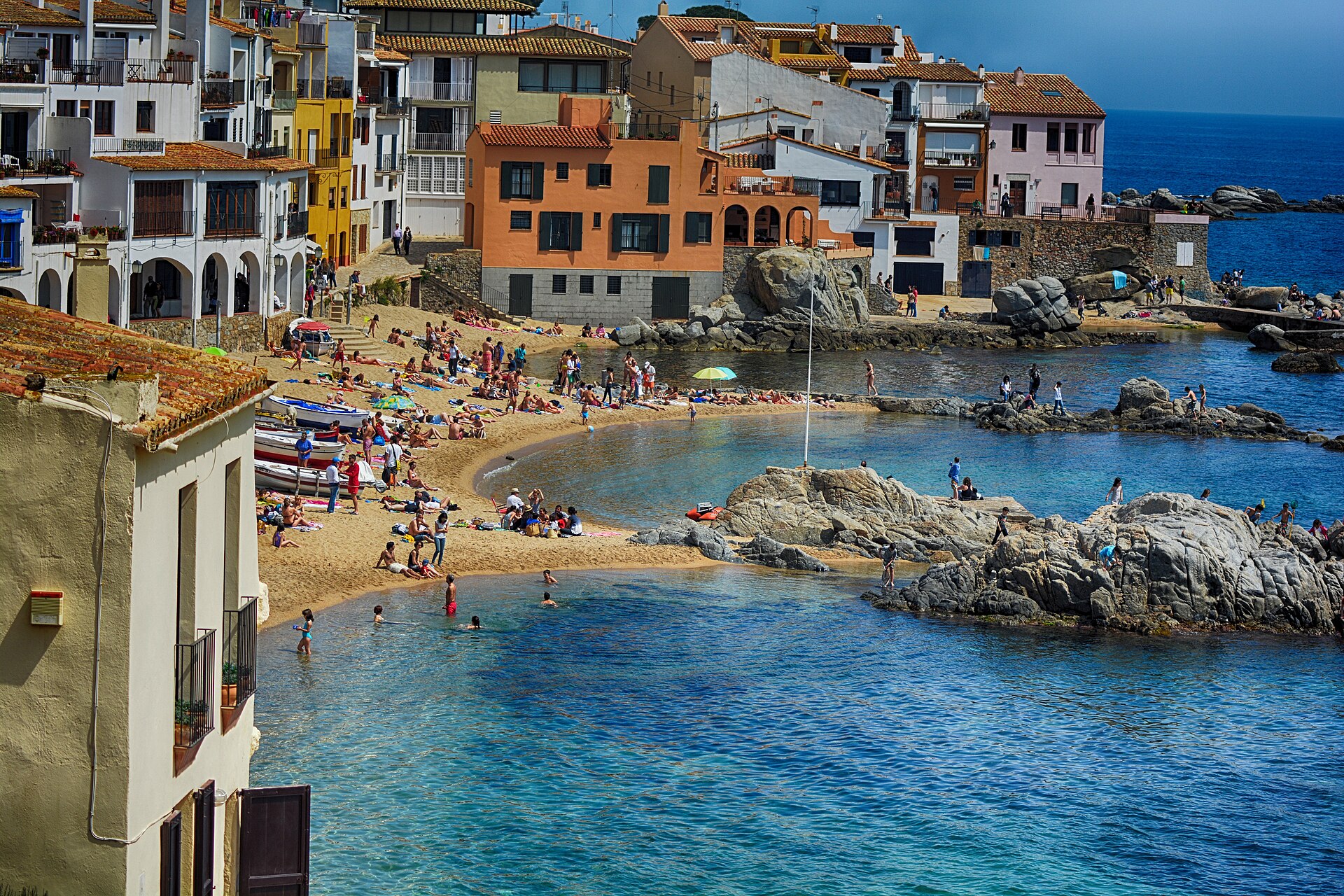
Use this division as a travel planning tool, not an administrative boundary. Here, the south means the Blanes, Lloret and Tossa area. The centre covers the stretch from Sant Feliu de Guíxols to Begur and Pals. The north begins around L’Escala and continues through Roses, Cadaqués, Llançà and Portbou.
The official Costa Brava beach map and directory helps you locate the municipalities. Choose your base first, then select a main beach and a nearby alternative. Do not combine distant places just because they appear lined up along the sea: roads do not always follow the coast directly.
Calella de Palafrugell is on this coastline, within the municipality of Palafrugell. It is not Calella in the Maresme. Always use the full name when searching for accommodation and transport. The municipal Calella de Palafrugell page identifies the town and provides map information.
Mark three points for each outing: your transport arrival point or parking area, the walking access to the sand and the place you will return to. A point that your navigation app labels simply with the beach name could be in the water, at a viewpoint or on a street above the cove.
Blanes acts as a rail gateway to this part of the coast. If you want to combine the journey with beach time, first look into the connection between the station and the waterfront. Staying near the sea may be more practical from day to day, even if it means a short additional journey when you arrive.
In Lloret, choose between the central beach and Fenals according to where your accommodation is. The local tourist maps show that they are in different bays. For a mix of culture and swimming, the centre suits visits around town; Fenals brings your plans closer to the Jardins de Santa Clotilde.
In Tossa, combining Platja Gran with the Vila Vella makes a day possible without repeated car journeys. Mar Menuda adds another beach within the town. Having these places close together suits travellers without a vehicle or groups whose members want to follow separate plans.
Cala Pola needs a different approach. The Tossa tourist office describes arrival along the coastal path or by road followed by a walk. Make it your main destination, check current access and avoid adding it after a long morning climbing the town’s streets.
For two nights in the south, stay in one town and add just one outing. Changing accommodation between nearby towns means packing, carrying luggage and waiting for the next check-in. That time may be better spent at a beach you already know how to reach.
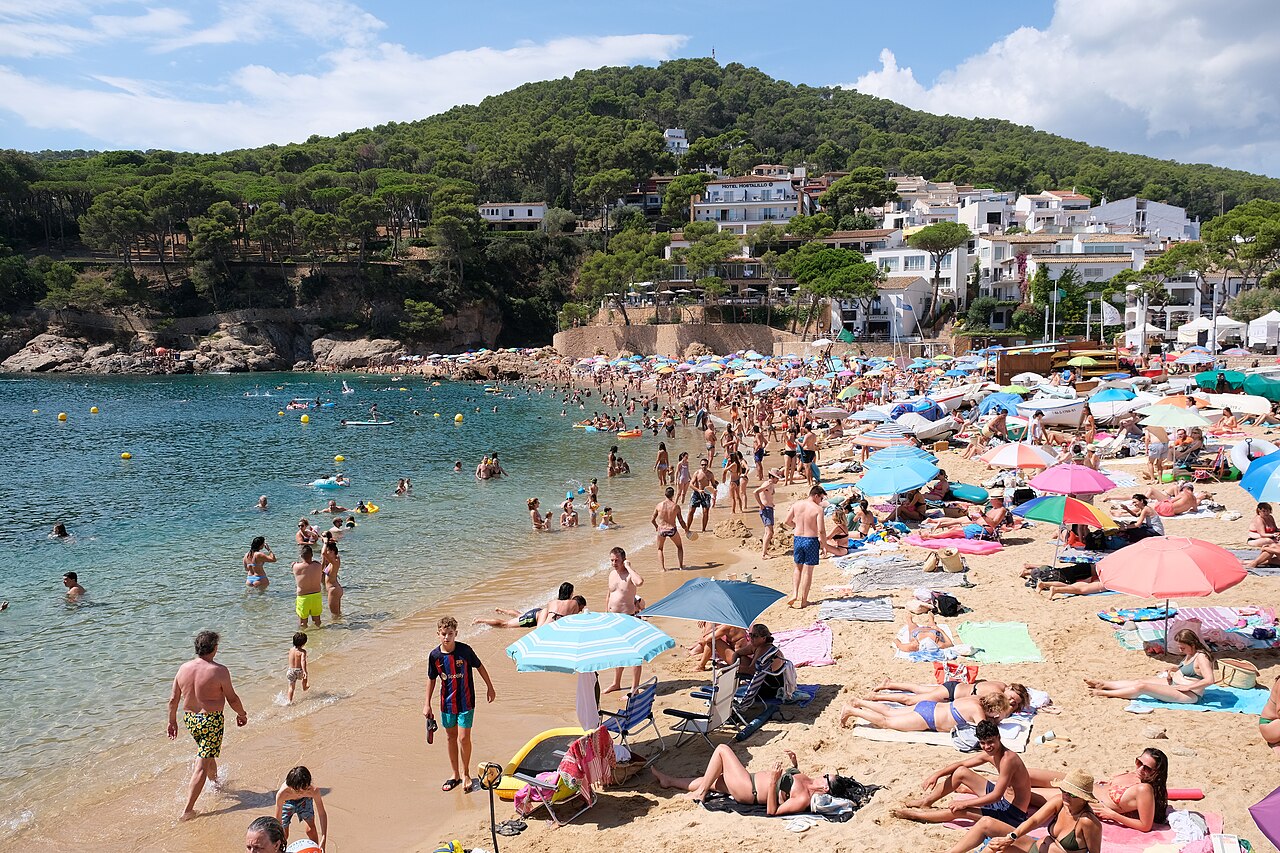
The beach at Castell in Palamós is part of the Castell–Cap Roig area of natural interest and has parking some distance from the sand. It can be your destination for the day, with no need to continue further. Check the parking arrangements and the access your group needs.
Reaching Cala Estreta requires a further walk from the Castell area. Choosing between the two is mainly a question of effort: staying on a larger beach or carrying everything along another stretch of path. Bring enough water and factor in the walk back before deciding to continue.
For a group with walkers and people who prefer to stay on the sand, Castell can work as a meeting point afterwards. Agree on the time and place before everyone sets off on their own plans. Those continuing to Estreta should carry their own supplies, without relying on the backpack of someone who stayed behind, and return with enough time for everyone to leave together.
Port Bo and Canadell let you plan a day of beaches and maritime streets in Calella de Palafrugell. The official Sant Roc to Tres Pins route passes different points along the waterfront and includes steps. Do not present it to your group as an entirely level walk.
To continue to Llafranc, consult the next municipal walking itinerary. Distinguish the connection between towns from the later climb to Sant Sebastià: visiting the lighthouse adds height gain and time. You can finish in Llafranc and return, leaving the high point for another part of your trip.
In Begur, Sa Riera offers a built-up setting and nearby services. It suits anyone who wants to spend several hours in one place. Begur town and its beaches do not form a single flat seafront: choose your address with daily journeys in mind.
Aiguablava has fine sand and is small. This makes it sensible to have an alternative ready, especially when arriving during a busy period. There is little point spending the entire morning waiting for a space when another beach in the same area could suit your group.
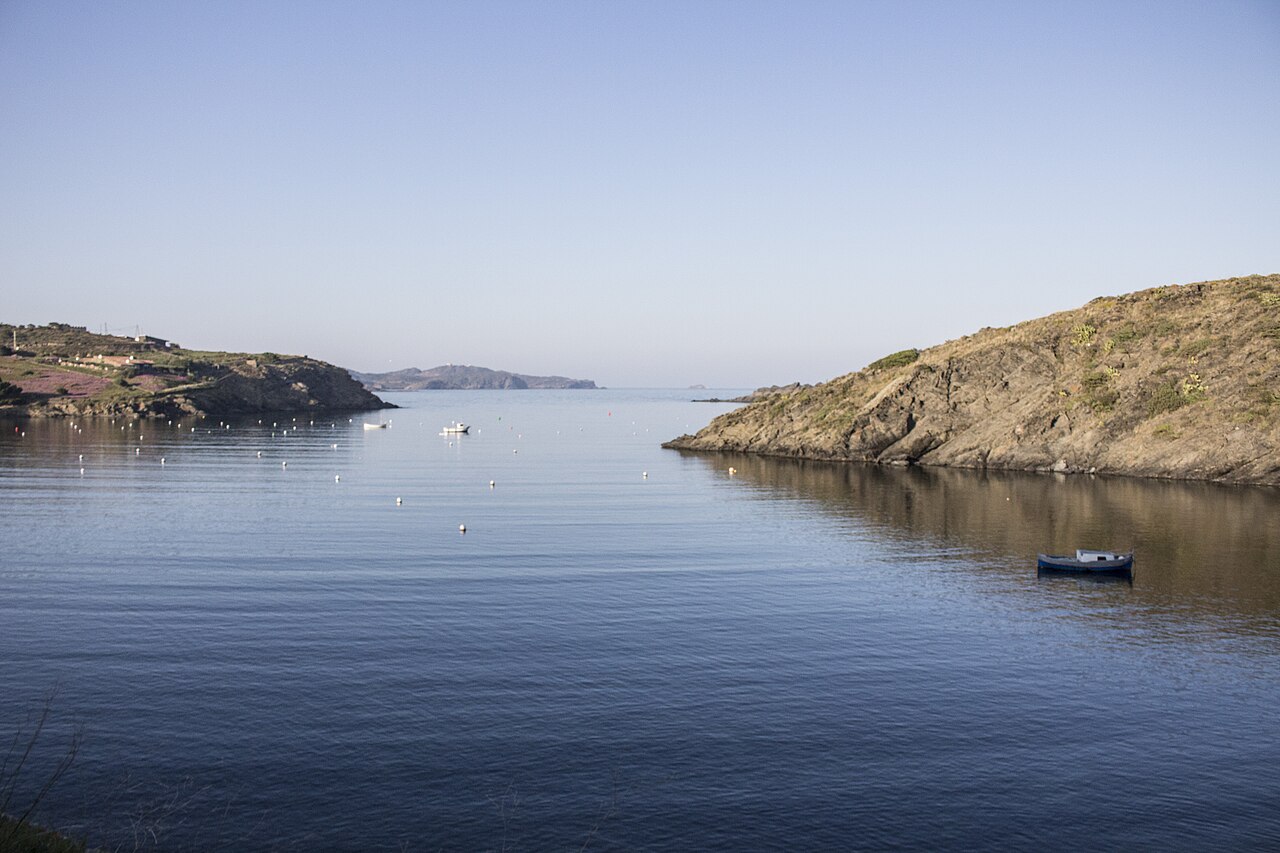
Sa Tuna combines a small pebble beach with houses beside the water and a winding access road. It is different from a broad sandy beach for games and long walks. Compare the ground underfoot, the space and the luggage you want to bring before choosing from a photograph.
Affiliate links: we may earn a commission at no extra cost to you.
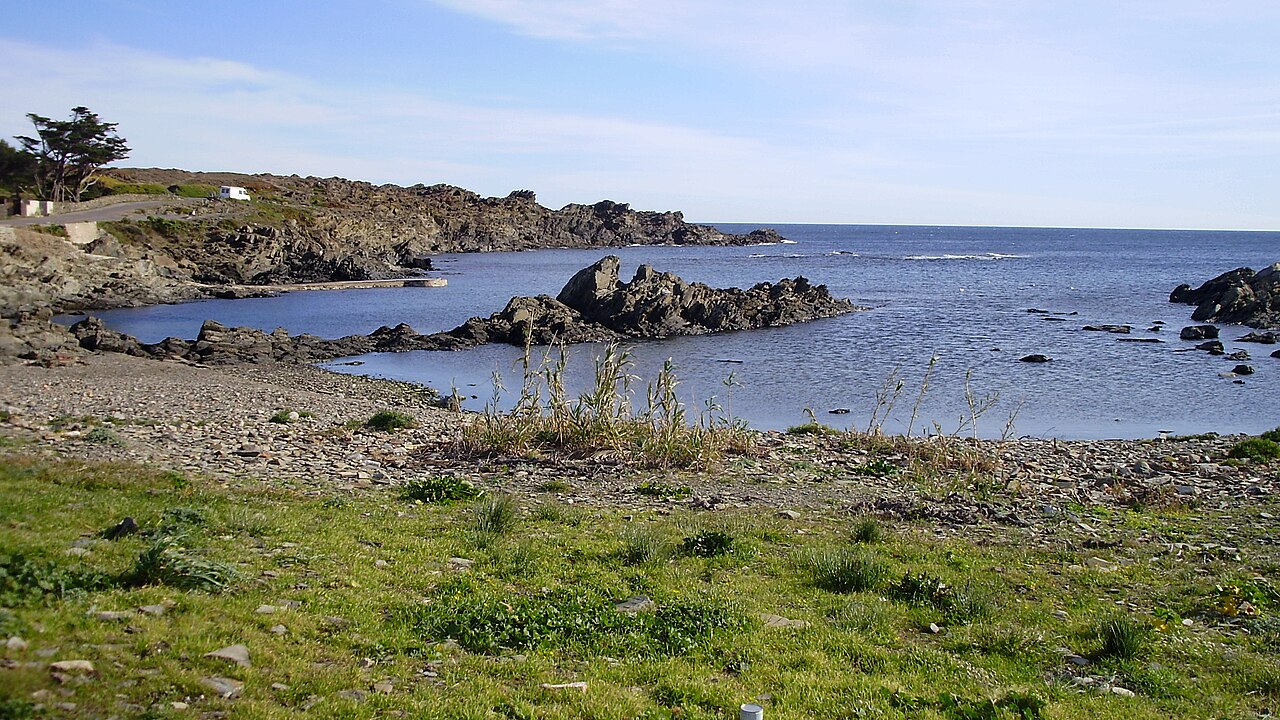
In the L’Escala area, the beach at Portitxol is beside the Empúries promenade and near the archaeological site. It is an appealing combination if you want to alternate coast and heritage. If you intend to enter the museum or ruins, set aside separate time for them and check the current visiting arrangements.
A beach day does not need to include the full archaeological visit. You can walk along part of the promenade, choose where to settle and return along the same route. For families, a base close to this route reduces the number of transport decisions throughout the day.
The beach at Almadrava is away from the central Roses seafront and has road access and transport options described by the regional tourist board. Check current services if you depend on a bus. Do not assume that staying in Roses means you can reach every beach in the municipality on foot without effort.
A town base makes meals and shopping easier; staying beside a particular beach reduces the journey for a swim. Choose the first if you want plenty of variety in your plans and the second if you want to return to the same beach. Always check the climb back to your accommodation.
For Cadaqués and Cap de Creus, consult the official access conditions. Seasonal regulations apply in different sectors, including the tip of the cape and coves in Roses. Do not apply one road’s calendar to all the others.
The park’s guidance for visiting coves distinguishes areas with specific protection and authorised access routes. Choose marked paths and check restrictions on the day. To enjoy this landscape at an unhurried pace, set aside a separate period in the north instead of adding it at the end of a day in Begur.
The regional transport guide identifies Girona and Figueres as important rail gateways. For the south, Blanes connects with the coastal railway line. None of these choices automatically removes the final leg: compare the total journey time to the address where you will stay.
Without a car, focus your stay on a town with a beach and suitable transport. In the Palafrugell area, check the regular connections to the coastal villages. Distinguish year-round services from seasonal additions. The Julivia Bus is another published seasonal option, but it does not replace a guaranteed year-round connection.
With a car, factor in parking and the final walk before comparing distances. Choose two nearby alternatives and decide early which to use. Moving between car parks at famous beaches can take up much of the morning and add to the driver’s fatigue.
Sightseeing boats can offer another perspective on the coast, but should only serve as essential transport once you have confirmed the service and return journey. A stop to view a cove does not mean passengers can disembark. Read the route and the provider’s conditions before building your day around that possibility.
One day: choose Tossa for its beach and town, Calella de Palafrugell with a partial walk towards Llafranc, or Portitxol with a stroll in Empúries. These are separate alternatives. Your choice should start with where you wake up and your connection for the return journey.
Three days: stay in one area and alternate an easy beach day, an outing with a walk and a flexible day. In the centre, for example, you could spend one day in Calella and Llafranc, another at Castell and another at a Begur beach, provided the journeys are practical.
One week: consider two bases, one in the centre and another in the south or north, depending on your main interests. Keep moving days for lighter plans. Trying to include every sector turns a holiday into a series of arrivals and departures, particularly with children.
Without a car, prioritise an address where you can walk to the beach, meals and shops, with your arrival by public transport already worked out. With a car, an inland base can work, but calculate the daily journey to the sea. Do not confuse staying in Begur or Palafrugell with accommodation directly on the sand.
For several relaxing days at the same beach, compare actual access, a kitchen, a lift and space to dry towels. For exploring, value parking and a convenient route out by road. A panoramic view may mean more uphill walking; a seafront location may be busier at night.
AL Rental is adding direct property listings. Where no published option suits your dates, Booking can serve as an external alternative. Compare the final price and rate conditions without assuming that the accommodation shown belongs to AL Rental’s own inventory.
Do not confuse clear water with suitable swimming conditions, or closeness on a map with easy access. Check flags, wind and sea conditions on site. A small beach can lose much of its usable space depending on how busy it is and the conditions you find.
Also avoid wearing flip-flops for an unfamiliar walk, carrying too much equipment or relying on seasonal services outside their operating period. For accessibility needs, confirm the entire route and available assistance; a ramp symbol does not describe the whole experience of arriving and entering the water.
One sector per outing. On short stays, focus on nearby beaches; for a week, consider two bases and undemanding moving days.
Choose where to stay first. Then match beaches, access routes and meals to how you will actually get around.
Confirm transport, parking and any activities. For natural areas, check current access before depending on a road or seasonal connection.
Keep a nearby alternative beach and a town walk in mind. If sea conditions are poor, change your plans without searching for another cove ever further away.
The one that combines your interests with practical journeys. The south suits town bases; the centre offers several groups of coves; the north deserves time of its own.
Not with useful time for beaches and walks. Choose one area and leave room to arrive, have lunch, rest and return.
Not necessarily if you have a town base. A car can help you move between distant coves, but walks and possible access restrictions still apply.
They are different destinations. Use the full name: Calella de Palafrugell is on the Costa Brava; Calella in the Maresme belongs to another coastal area.
It depends on access, space, the ground underfoot and sea conditions. A town beach near your accommodation can be more practical than a cove reached by a long walk.
Check each service and date. Some schedules continue longer, while others finish earlier. Do not use one route’s timetable as a reference for the entire region.
Late May through June and the month of September usually provide a good balance of beach weather, coastal-path walks and less pressure on access roads and parking. July and August bring the fullest beach atmosphere and more seasonal services, but popular coves fill early; outside summer, confirm transport, restaurants and access conditions before setting out.