Time
Two days let you explore the centre and Fenals separately. Add another for a distant beach, while keeping arrival day free of commitments that may be difficult to meet.



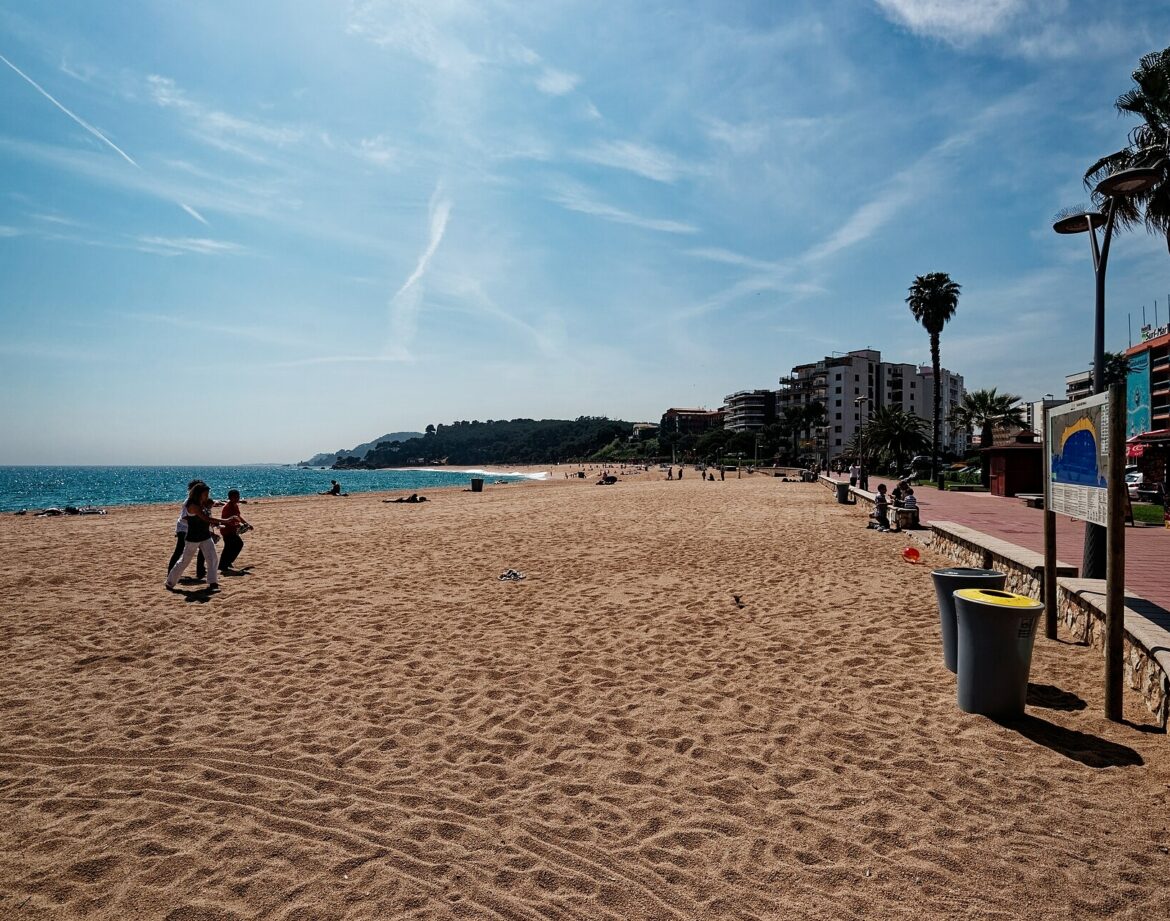
Lloret de Mar combines beaches, gardens and heritage that make it worth visiting for more than its nightlife. For a first day, choose the centre and Lloret beach or the combination of Fenals and Santa Clotilde. Allow two days to explore both without rushing. Where you sleep should fit your plans: the centre for getting around town, or Fenals for a stay focused more on the beach.
Planning a trip to Lloret de Mar starts with your accommodation’s location, rather than a list of attractions. The distance between your room, the beach and where you want to have dinner is a journey you repeat every day. This guide helps you choose what to visit, understand which beaches work well together and divide your time without constantly crossing town.
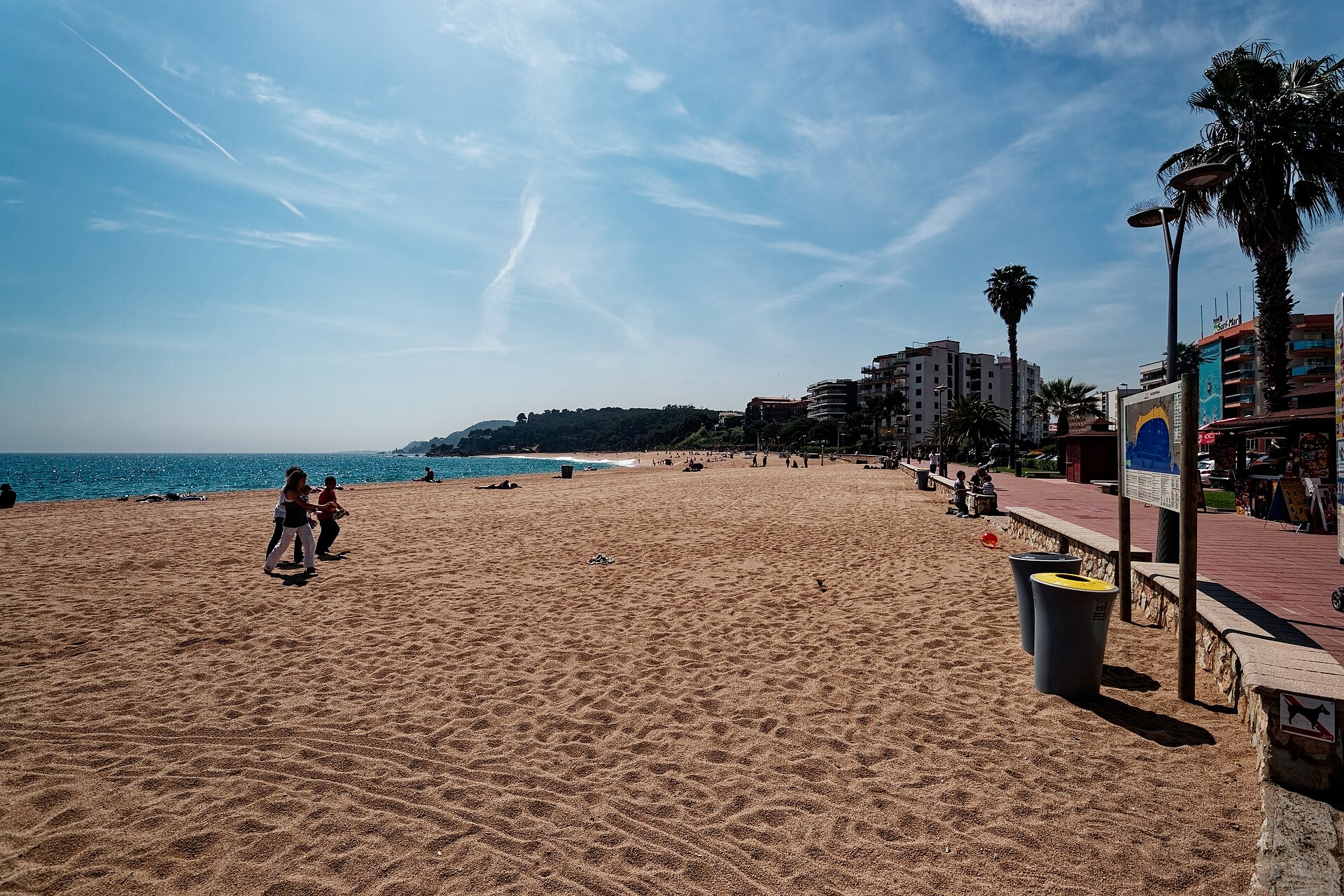
The centre and Lloret beach form the main urban area. Sa Caleta extends the waterfront at one end. Fenals occupies another bay, separated from the main beach by a headland. Continuing towards Santa Clotilde brings you to Boadella and, further on, Santa Cristina. Canyelles lies in the direction of Tossa.
Use the official map of beaches and coastal landmarks to locate these groups of places. The map shows sights and routes, but that does not mean you should link them all in one walk. Choose one area for the morning and add another only if transport and your group’s energy allow.
Mark the bus station and the exact entrance to your accommodation too. A property advertised as being near Fenals may sit uphill from the beach, while another might make walking back after lunch easier. That difference becomes important with pushchairs, shopping or beach equipment.
Sant Romà church combines a Gothic base with Modernista elements and colourful domes, described on the official monument page. Look at it from the square and nearby streets instead of only stopping directly in front. Its appearance changes considerably with your viewpoint.
To visit inside, check the current arrangements and respect religious services. On a short morning outing, combine this stop with a walk through the central streets and a break in the shade. You do not need to spend a long time in every building to appreciate that Lloret’s history predates beach tourism.

The municipal route through the historic centre introduces visitors to houses associated with the indianos, emigrants who returned from the Americas. The route connects the waterfront with the inner streets and includes Can Font, where visiting arrangements should be checked in advance. It provides a coherent way to choose what to look at.
The Maritime Museum, in Can Garriga, helps put that relationship with the sea into context. Browse the venues brought together under the Lloret Open Museum and choose a second site only if its subject interests you. For a rainy day, first check which venues are open and how admission works.
The building above Sa Caleta, Castell d’en Plaja, should not be confused with a medieval fortress: the official tourist information identifies it as a 20th-century construction. Its silhouette is part of the landscape, but exploring the cove outdoors is separate from any experience inside the building.
The Castell de Sant Joan, on the headland between Lloret and Fenals, has medieval origins and a reconstructed tower. Choose it if the views interest you and you are happy to make the climb. Check opening arrangements before building your day around entering the tower.
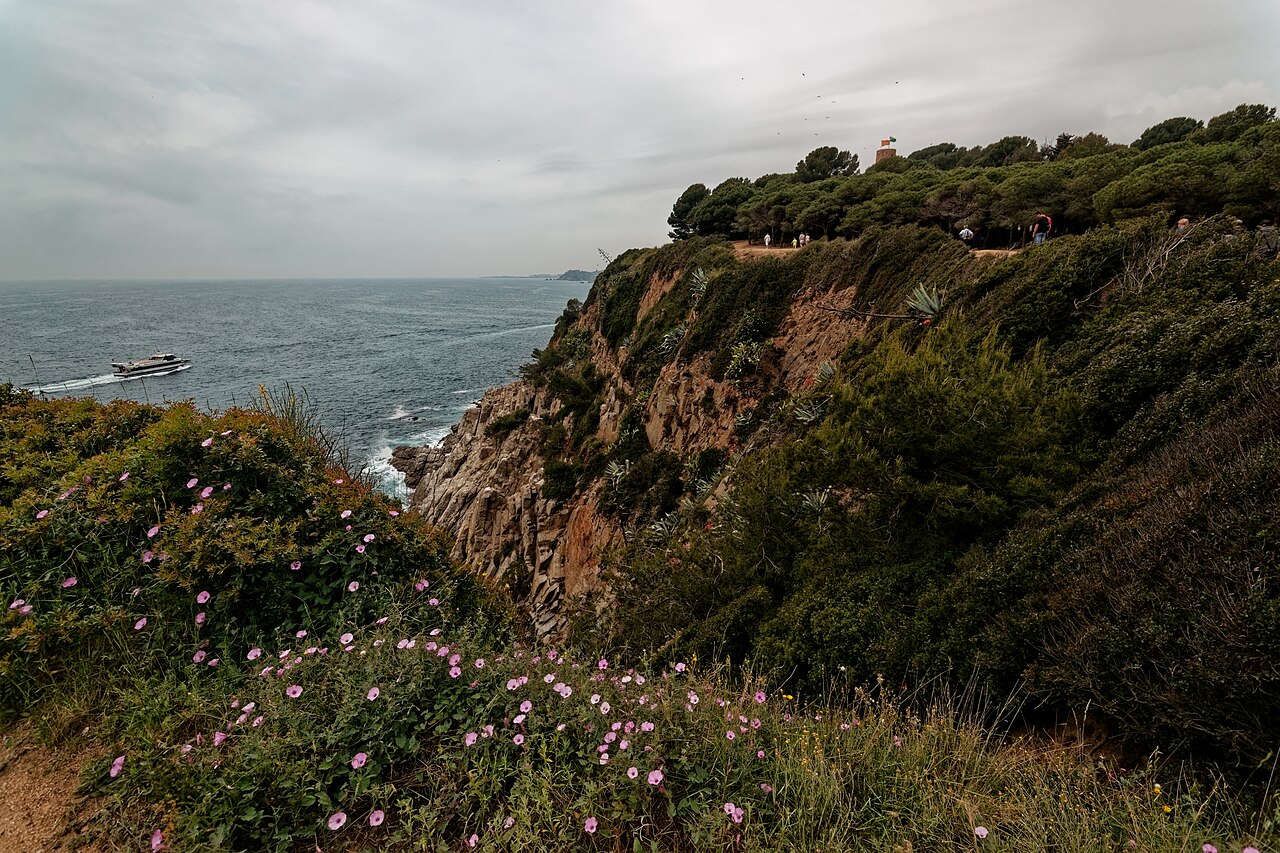
The Santa Clotilde Gardens sit above the coast between Fenals and Boadella. Nicolau Rubió i Tudurí’s design takes inspiration from Italian gardens. Stairways, greenery and views of the sea make this a different experience from a simple stroll beside the beach.
As a suggested pace, allow an hour or more to explore the gardens with pauses. Do not choose the last possible admission if your aim is to take your time. Check ticketing and opening hours for your specific date; a special activity in the gardens may have different conditions from a standard visit.
To combine them with Fenals, visit the gardens first and the beach afterwards, or reverse the order while allowing time to change clothes. If you have reduced mobility, confirm which route you can use before buying a ticket. Do not judge accessibility across the whole site from a photograph of the entrance.
With children, a visit focused on a few views and paths works better than a succession of monuments before lunch. Bring water and agree on a clear meeting point. The gardens can be the main focus of the morning without also needing to fit Canyelles into the same outing.
Lloret beach is practical when you are already in the centre and want to combine sand, shops and heritage. Fenals makes more sense if you are staying in that area or want to combine the beach with Santa Clotilde. The useful comparison is the distance from your base and what else you plan nearby, rather than a ranking that applies to everyone.
If your group splits between swimming and sightseeing, a beach near your accommodation makes meeting up again simple. For a full day on the sand, check access, how busy it is and where you can have lunch. Do not count on natural shade being available in the exact spot where you would prefer to settle.
Sa Boadella has a naturist tradition and a final approach along a dirt path of around 200 metres, according to local tourism information. Bear that surface in mind when bringing a pushchair or beach equipment. Santa Cristina is a separate choice: work out its access before leaving, rather than expecting a level link between the two beaches.
Choose one of these beaches as the main destination for that part of the day. Trying to see several with all your towels and backpacks means repeatedly packing up and settling the group again. If relaxation is the priority, those changes can take more energy than the difference in scenery warrants.
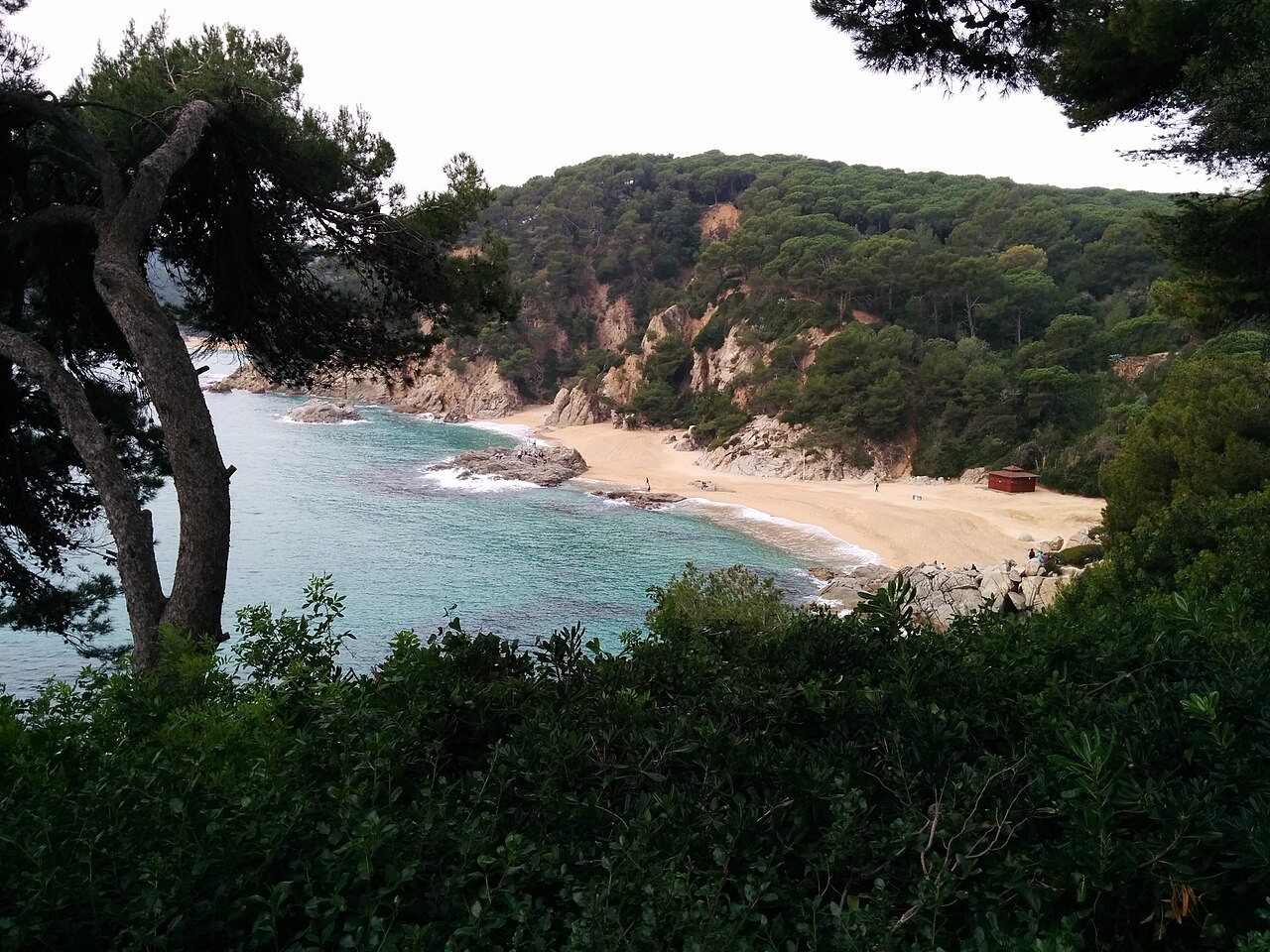
Canyelles lies away from the centre, towards Tossa, as the coastal map shows. Treat it as a separate trip: confirm transport, parking and your arrival point. Do not add it to the end of an afternoon at Santa Cristina simply because both appear on the same list of beaches.
At any beach, assess the signs and local conditions before swimming. Water temperature varies, and a bay that looks sheltered does not guarantee calm seas. For children or visitors with mobility difficulties, confirm the services you need for your date rather than relying on a general summer description.
Affiliate links: we may earn a commission at no extra cost to you.
The name Via Lloret–Fenals can be misleading. The official 1.3-kilometre route is intended for swimmers and snorkellers. It is not the length of a footpath. The listing itself notes the absence of dedicated supervision, so it should not be presented as a crossing with guaranteed safety.
For walking, choose a land route on the municipal map and check its condition before setting off. You can take a short walk from the urban waterfront and return the same way. A link between two beaches may include steps and changes in elevation, even when the straight-line distance looks small.
If you want an activity at sea, compare guidance, equipment and meeting points. A trip aimed at beginners makes different demands from an independent crossing. Do not choose the experience solely by its advertised duration, and check the conditions that apply when the sea state prevents the activity from going ahead.
Lloret has no railway station. The official guidance on arriving by train identifies Blanes as the connection to the coastal railway, with an onward bus journey. Consult current timetables to plan the whole trip; do not treat a frequency described on a tourism page as a promise for every date.
There are also bus connections, listed on the municipal page on arriving by road. Compare departures from Barcelona or the airport with the final location of your accommodation. A service that is convenient on arrival may have a return journey that fits your flight time less well.
For getting around, check the local options in the trip-planning section. If you stay in the centre or Fenals, you can organise entire days around one area. A car becomes more useful for outings to distant beaches, provided you include parking in your budget.
When travelling with luggage, confirm that your chosen stop is where your service actually arrives. The bus station, a private terminal and a local bus stop are not necessarily the same place. Save your accommodation’s address and arrival contact so you do not have to work out those details once you are already on the street.
Day one: start with Sant Romà and the historic centre. Choose the Maritime Museum if it is open and its subject interests you, have lunch in the same area and spend the afternoon on Lloret beach. Finish with a stroll to Sa Caleta, with no obligation to walk further.
Day two: visit Santa Clotilde and spend the remaining time at Fenals. If you prefer a cove, swap Fenals for Boadella after checking access. Avoid booking a second attraction with a fixed entry time straight after swimming: you will still need to return and change clothes.
A third day: lets you choose Canyelles or Santa Cristina as your main outing. If you prefer heritage, consider Sant Joan and a free afternoon. This arrangement gives each outing a purpose and reduces the number of journeys between opposite ends of the municipality.
Centre: a convenient choice if you want to dine out and explore on foot. If you are looking for nightlife, check how close you will be to the places you want to visit. If rest matters more, ask about room orientation, sound insulation and neighbouring businesses; a family hotel label does not describe the atmosphere of every street.
Fenals: appeals to visitors planning their stay around the beach and gardens. Check the actual walk to the sand and access from the bus station. For families, a kitchen, lift and space to rest during the day can matter more than a partial view.
Outskirts and residential developments: assess how much you will depend on a car before comparing nightly prices. Add journeys for shopping, meals and the beach. Spacious accommodation becomes less convenient if every outing requires driving, especially when members of the group want to follow different schedules.
AL Rental is adding properties available to book directly. Until a published option suits your trip, you can compare external accommodation on Booking. Check the rate and the property’s conditions; this alternative should not be taken to mean that AL Rental has its own availability.
Booking on price alone, confusing the two castles and treating the swimming route as a walk are avoidable mistakes. Another is choosing somewhere remote while planning to spend every evening in the centre. Decide how you want to spend your days before comparing rooms or apartments.
Do not turn the gardens into a rushed stop between three beaches. Also check the last transport connection before heading to a cove. On a short stay, removing one journey can give you a whole afternoon of rest without missing the destination’s essentials.
Two days let you explore the centre and Fenals separately. Add another for a distant beach, while keeping arrival day free of commitments that may be difficult to meet.
Choose a location that suits your pace. Check beach access, transport and room orientation, especially if rest is a priority.
Confirm gardens, museums and activities for your date. Distinguish standard admission from special events and save the meeting point.
Check which cultural venues are open when the sea is not inviting for a swim. Keep an afternoon free so you can change the order of your itinerary.
Yes. Gardens, heritage and beaches allow for a different kind of stay. Choosing the street and accommodation carefully is especially important if you value rest.
The centre makes town activities easier; Fenals combines the beach with proximity to Santa Clotilde. Compare actual routes and the atmosphere around the property.
No. You can arrive at Blanes station and continue by road. Check the complete connection and compare it with bus options.
No. That distance refers to an open-water swimming route. For walks, consult the land routes on the municipal map.
Yes, especially with Fenals or Boadella. Allow time for the visit, getting there and lunch, and check your chosen route down to the sand.
Two days give you a balanced first visit. For more beaches or activities at sea, add time without filling every part of the day in advance.
May, June, September and early October offer the best balance of pleasant temperatures, beach time and walks through the gardens and historic centre, usually with less pressure than July and August. High summer brings the widest choice of services and liveliest atmosphere, but also more heat and visitors; winter is quieter, although some coastal services reduce their hours.