Your aim
Miracle to combine with the city; Arrabassada or Llarga for a longer visit. Choose one main beach each day.



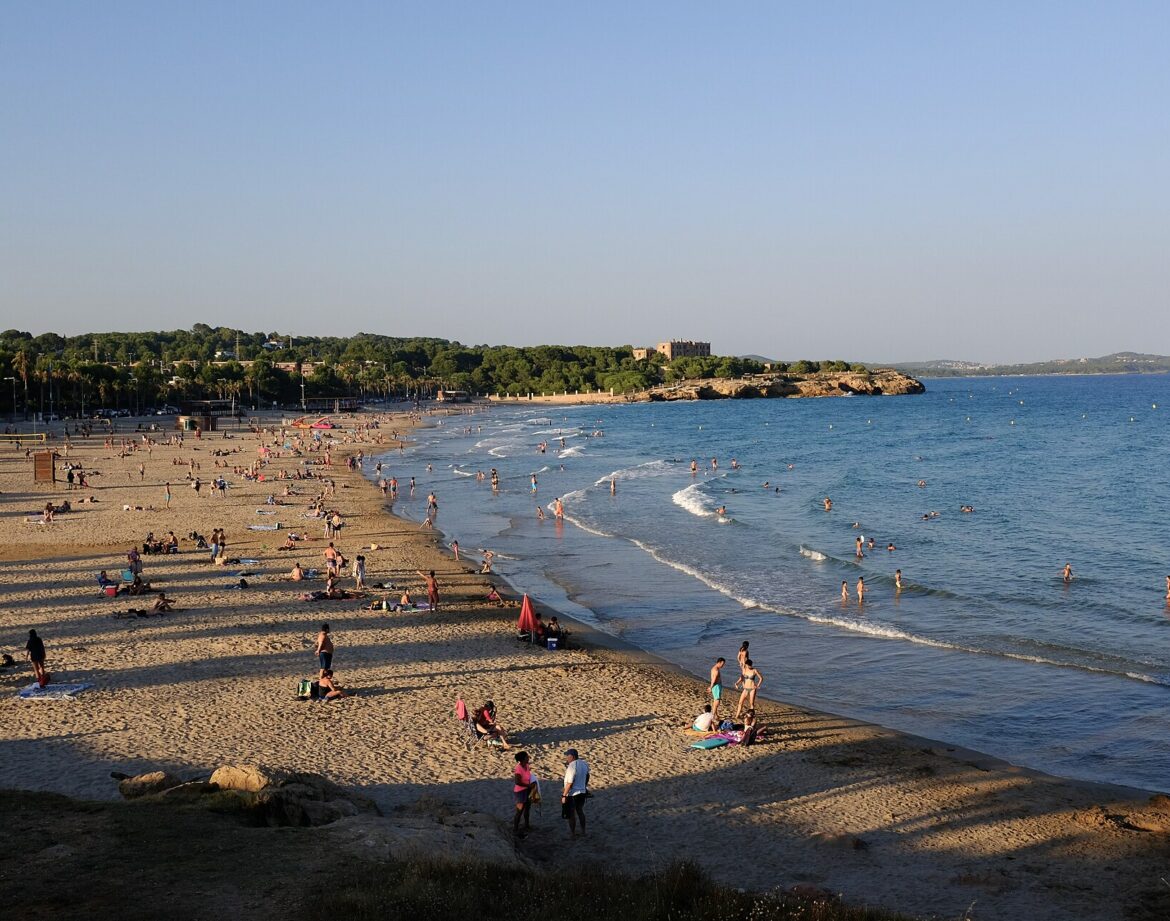
To combine the beach with a visit to central Tarragona, start with Miracle; for a day focused on the sand, compare Arrabassada and Llarga. La Móra and Tamarit require a planned journey east. Cala Fonda suits visitors willing to walk and go without facilities. All these beaches are within the municipality of Tarragona; Salou and Cambrils are separate municipalities, not beaches in the city centre.
Tarragona’s beaches do not all offer the same experience. Some fit neatly into a break after exploring the Roman heritage; others call for a backpack, transport and a day of their own. Choosing well means understanding the distance to the sand, how easy it is to get back and which facilities you need. This guide sets out those differences so you can spend more time by the sea and less time moving between beaches.
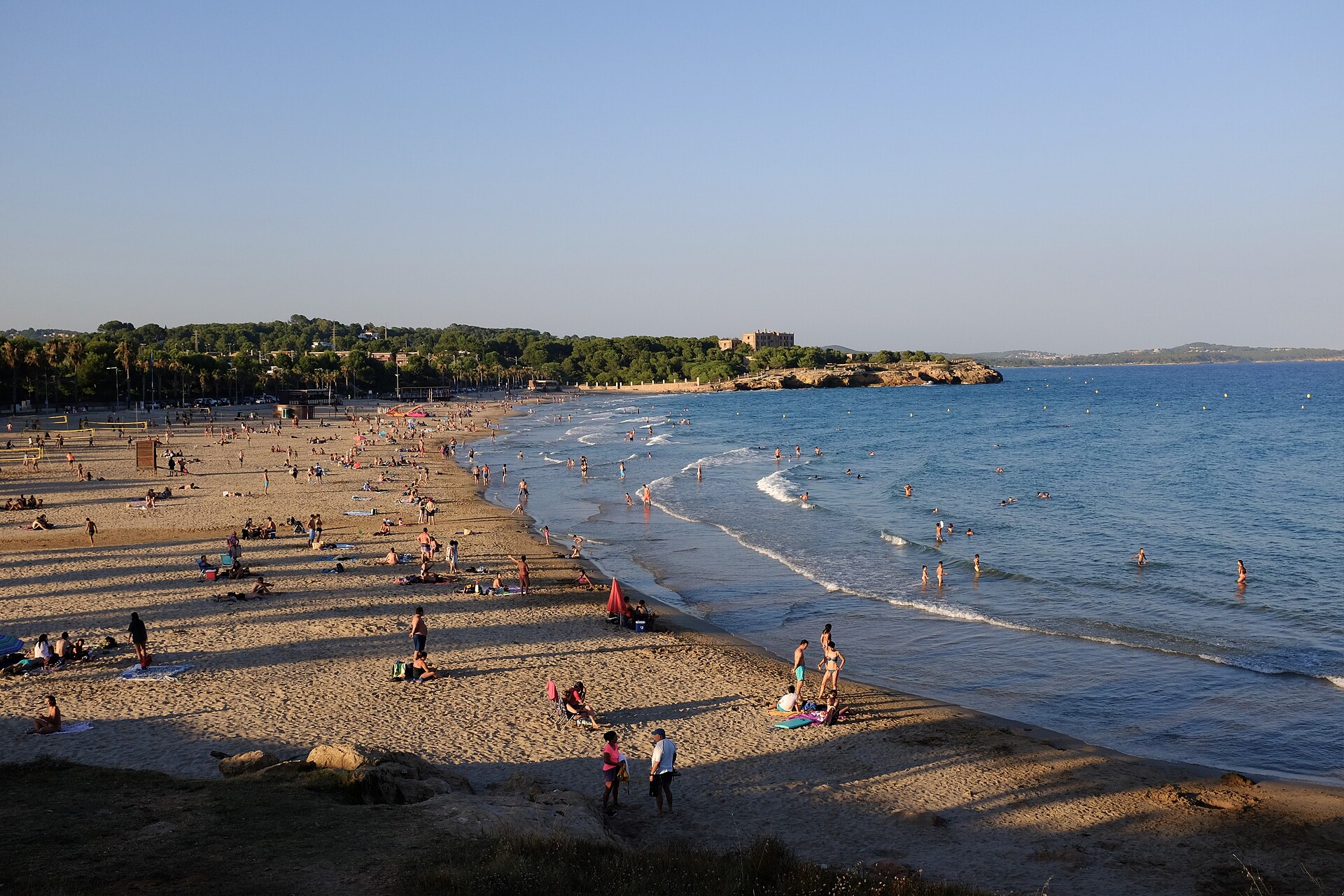
Use the official map of Tarragona’s coastline to get your bearings. This map predates the September 2026 research and does not confirm which facilities are currently operating. For facilities, access and notices, cross-check it against the municipal beaches portal.
A useful sequence for getting your bearings starts at Miracle, beside the city, and continues through Arrabassada, Savinosa, Capellans and Llarga. Further east come Cala Fonda, Roca Plana, La Móra, Cala Jovera and Tamarit. Do not read this sequence as a continuous, fully accessible promenade: it includes natural paths and different access routes.
Divide your options into three groups. Miracle and Arrabassada make it easier to combine beach and city; Llarga and La Móra can fill a beach day; the natural coves require greater self-sufficiency. At Tamarit, pay particular attention to your arrival point, because proximity on a map does not remove the final walk.
When searching for accommodation or routes, enter the full name of both the beach and the municipality. ‘Tarragona’ also refers to a large province. A photo of Salou may illustrate the Costa Daurada, but it does not show that the beach is a short walk from your hotel in central Tarragona.
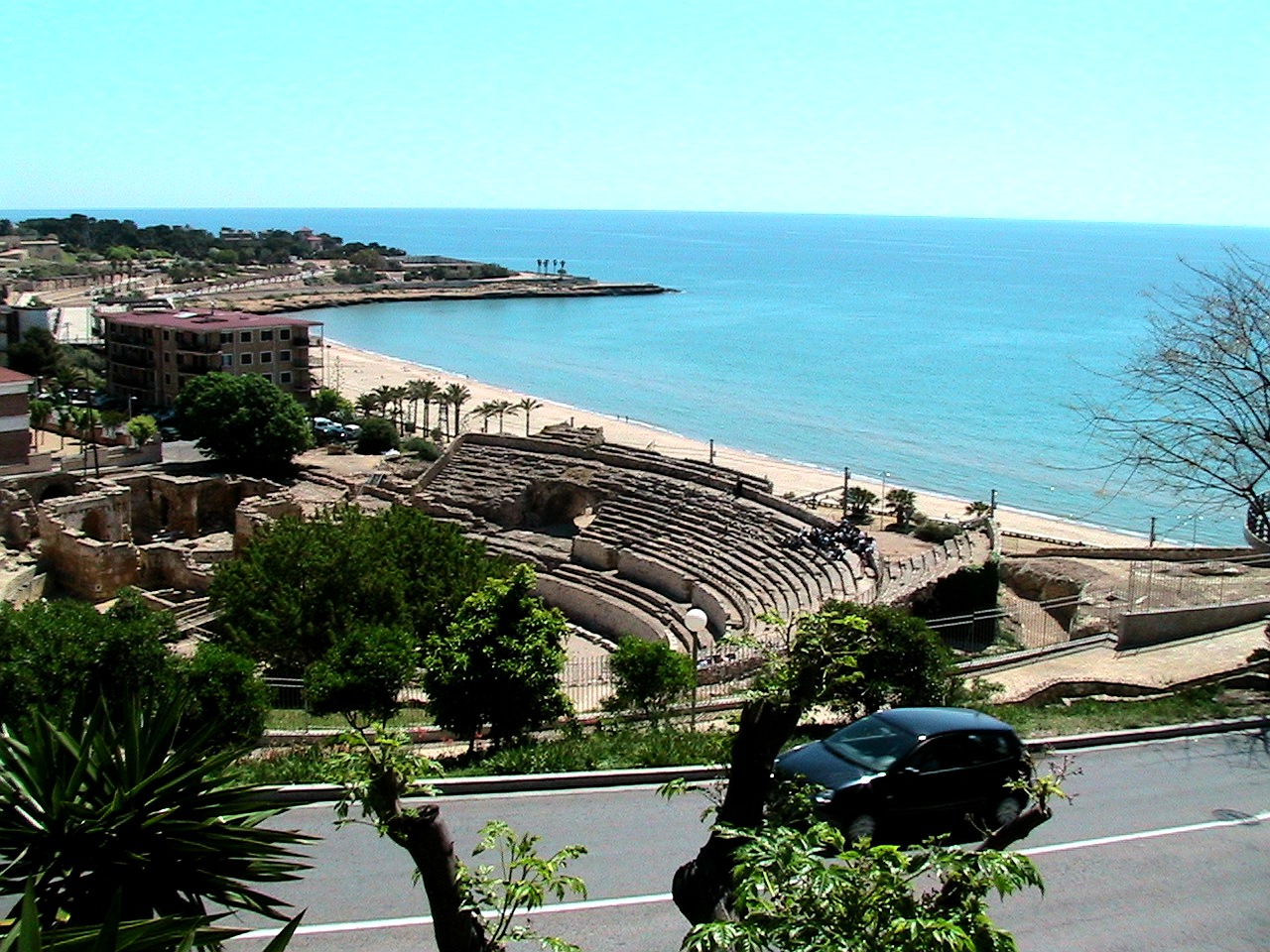
The municipal information page for Miracle identifies it as the closest beach to the urban centre. That makes it the first option to consider when you have a few hours between city visits and want to see the sea without organising a trip along the coast.
To work out where to arrive at Miracle, look for Passeig Rafael Casanova and Robert d’Aguiló, the references given on the municipal page. Then map the walking route from your starting point and allow for the climb on the way back. With a pushchair or reduced mobility, confirm a suitable route: being able to see the beach nearby does not mean there is step-free access.
For a day combining city and beach, travel light: towel, water, sun protection and dry clothes. If you have a travel backpack or suitcase, first work out where to leave it. Avoid turning the beach into a waiting room for all your luggage when you still have a long onward journey ahead.
Affiliate links: we may earn a commission at no extra cost to you.
The beach at Arrabassada is on Passeig Rafael Casanova. Municipal information lists access on foot, by car and by public transport. It is worth comparing when the beach is your main activity and you want to organise arrival, lunch and the journey back in advance.
Choose an entrance that works for everyone in your group. If you need assisted bathing, check directly where and when the service operates. A list of beach facilities does not guarantee that everything runs throughout the year or that every entrance to the sand offers the same access.
The beach at Savinosa is described by the municipality as shared by naturist and clothed beachgoers. This helps you choose according to your group’s preferences. Respect other visitors’ privacy and avoid taking photos that include people without their consent.
Compare the journey to Savinosa with the one to Arrabassada before setting off. A change of scene is only worthwhile if it does not mean reorganising the entire day. To see both during a stay, give each a morning and keep the rest of your plans simple.
According to the municipal information page for Llarga, the sandy beach stretches for about three kilometres and retains dunes and a protected wetland. Its length is the main reason not to arrange a meeting by simply saying ‘at Llarga beach’.
Mark the specific entrance, car park or bus stop you intend to use. People arriving at opposite ends can spend considerable time looking for one another. Share a recognisable meeting point and check that your chosen restaurant really is close to that section, particularly if anyone finds walking on sand difficult.
For a full day, decide whether to stay near the facilities you need or seek a section with a different setting. Do not assume that facilities are evenly spread along the shore. Settle down only after checking the wind, how busy it is and the location of the entrance you plan to use on your way back.
Use established crossings and respect areas where vegetation is fenced off. Saving a few minutes does not justify a shortcut across the dunes. If you are carrying a lot of equipment, reconsider the amount before choosing a spot far from your arrival point: everything you bring in the morning must go back with you.
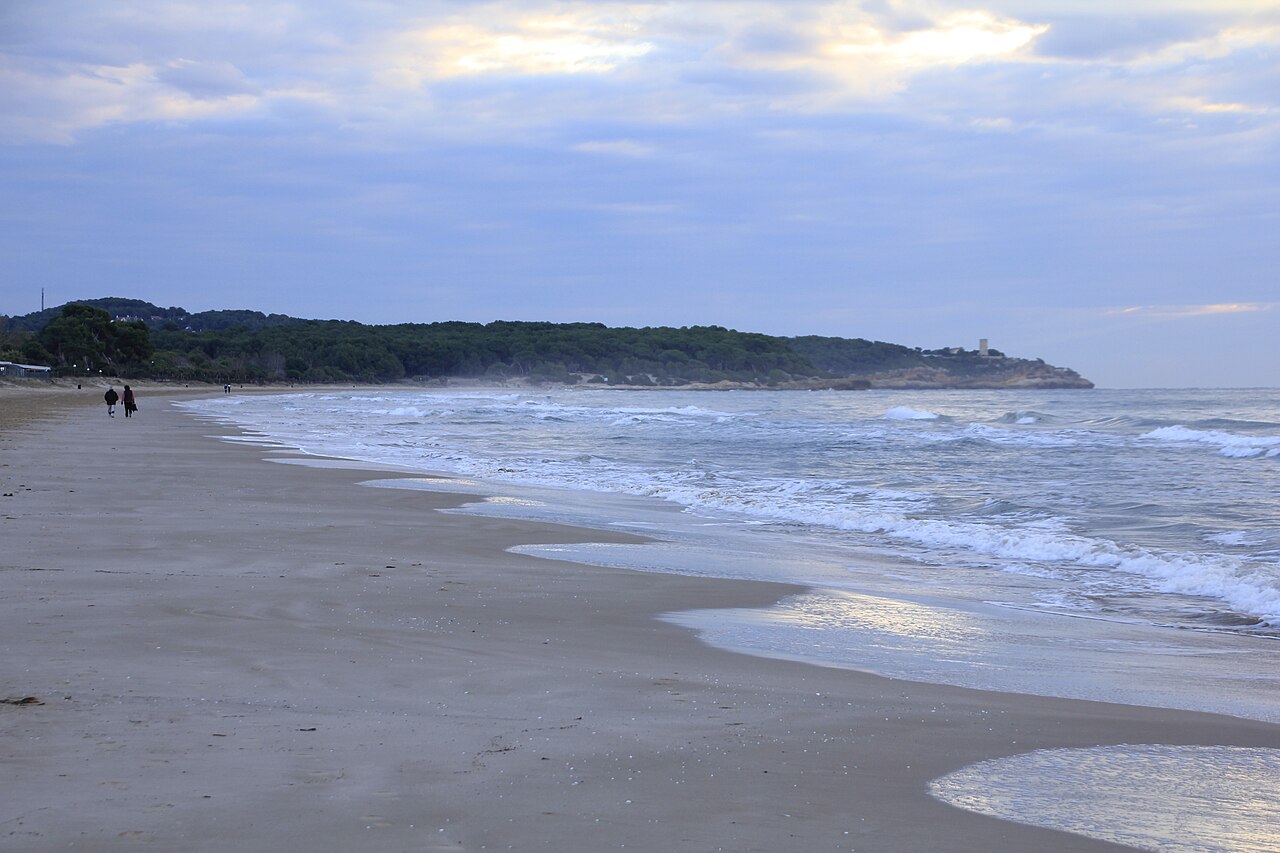
The cove of Cala Fonda, also known as Waikiki or l’Arboçar, is in Bosc de la Marquesa. The municipal page lists access on foot, naturist use and no showers, toilets or lifeguard service. Factor these limitations into your decision before leaving your accommodation.
Bring enough water, something to eat and footwear suitable for the path. Save the route and plan to return in daylight. Do not choose it as a last-minute alternative when you are already tired or when someone needs nearby toilets and easy access.
The beach at Roca Plana, currently listed as platja de Becs, is another landmark in this area. Its municipal page also lists access on foot and no toilets or rescue service. Use both names when consulting maps. There is no advantage in insisting on visiting both coves if that cuts into your rest time or makes the walk too long.
Plan these beaches as a nature outing, with the possibility of returning without swimming. A sheltered appearance does not prove there are no currents or that conditions are suitable. If access along the path is restricted or the sea does not look inviting, adjusting the plan is the sensible choice.
The beach at La Móra is in the residential area of the same name. The municipal page mentions parking and places to eat. It is an option for a day devoted to that area, or for a stay where the local beach matters more than returning to the historic centre every day.
Even when accommodation looks close to the bay, check the walking route from the door. In residential areas, the straight-line distance can hide a longer detour. With young children, getting back to your room easily after lunch may matter more than the advertised view.
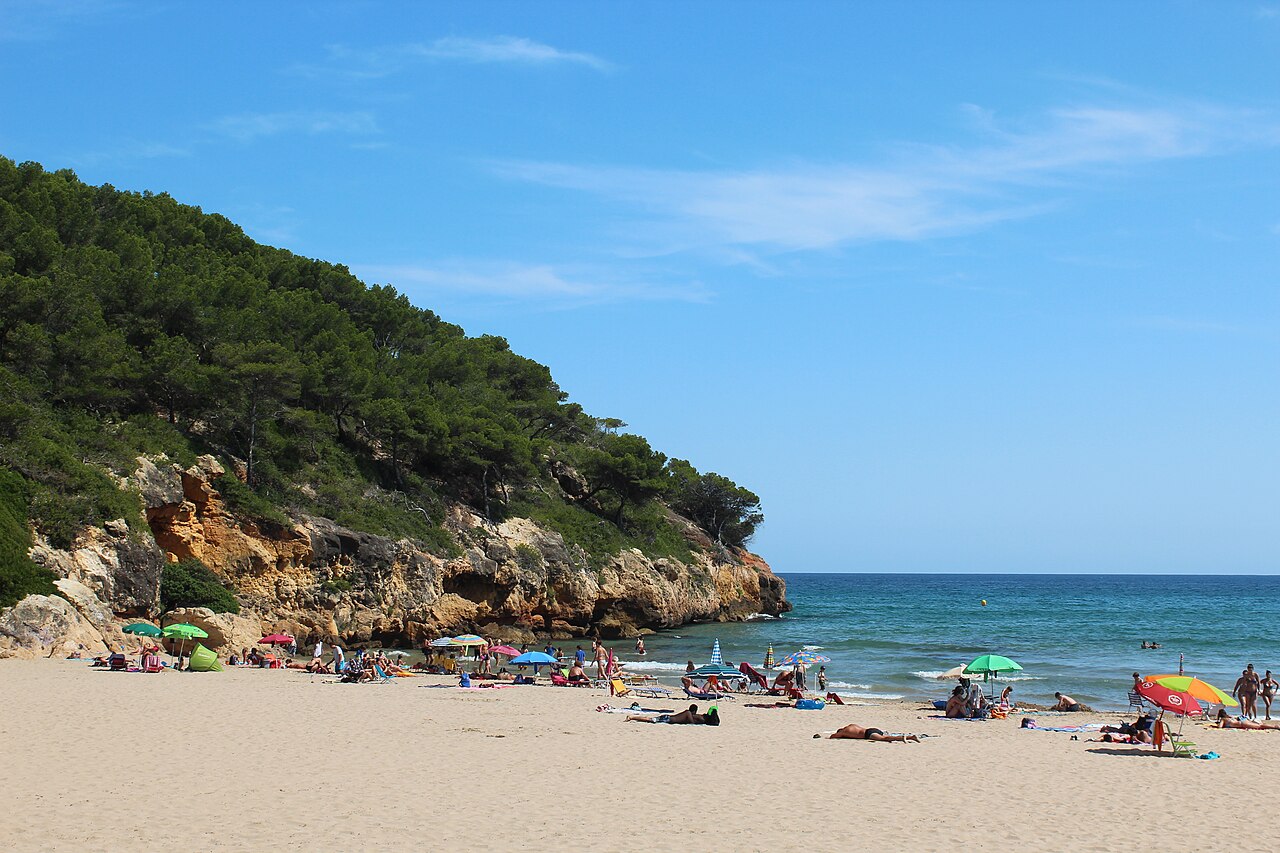
Municipal information for Tamarit gives an approximate one-kilometre walk from the bus stop, at the start of the castle road, to the beach. It also places the car park mentioned on the page across the municipal boundary in Altafulla, behind the railway station. Confirm your precise arrival point.
These details matter when arranging a meeting or carrying a parasol and bags. Having arrived at ‘Tamarit’ does not mean you are at the same entrance as the rest of your group. Choose a side of the beach to suit your transport and avoid crossing the whole stretch of sand simply to meet at a poorly defined spot.
The cove of Cala Jovera offers a different setting beside Tamarit. The municipality lists access only on foot via the castle road and no showers or toilets. Seeing the castle in the landscape does not mean that an interior visit is included in your beach day or available without checking first.
The municipal beaches portal directs visitors to the city bus network. Check the route and notices for your actual date, comparing the arrival and return stops. Do not assume they are directly opposite each other or that the last bus coincides with the end of your time at the beach.
City and sea: spend the morning on a cultural visit of your choice, have lunch and save the afternoon for Miracle. If you prefer Arrabassada, include the journey in your plans. Choose just one beach; moving halfway through takes time without necessarily improving the experience.
A full beach day: head to a chosen access point on Llarga, settle in and arrange lunch near that section. Keep your return flexible, but within the confirmed transport connections. If driving, do not plan to look for parking at several beaches in succession after a hot morning.
Heading east: choose La Móra or Tamarit as your main destination. If you want a cove reached by a walk, give it another day or scale back the rest of your plans. You do not need to cover the municipality’s entire coastline for the visit to be worthwhile.
Central Tarragona: consider this base when monuments, meals and city life make up much of your trip. Miracle can fit into a short outing, while other beaches require transport. Check the change in elevation between your accommodation and the waterfront, not just the advertised distance.
The Arrabassada area: may appeal if you want beach access to shape your daily routine without choosing the easternmost part of the municipality. Check shops, restaurants and connections to the centre from the exact address, especially if you do not have a car.
Llarga, La Móra or Tamarit: favour a stay centred on the local coast. Before booking, work out how you will manage meals and cultural visits. Accommodation advertised as being in Tarragona may be quite far from the centre you had in mind.
AL Rental is adding direct properties to its offering. Until a suitable published option matches your dates, Booking provides an external alternative for comparing accommodation. That search does not represent availability within AL Rental’s own inventory. Confirm the address, final price and terms of your chosen booking.
Check flags, notices and lifeguard information on the municipal portal and follow instructions on site. Do not assume Cala Fonda or other coves have the same facilities as an urban beach. If you need assisted bathing, check operating arrangements and requirements directly before organising the journey.
Bring water, adequate shade and few valuables. In a group, agree who will watch your belongings while the others swim. For children, add dry clothes and plan a simple meal; having restaurants nearby does not guarantee an available table when everyone is hungry.
The most avoidable mistakes are confusing the municipality with the province, parking without knowing which end of Llarga you are at, and planning the journey to Tamarit only as far as the bus stop. Add setting off too late on the walk back from a cove. Getting the arrival point and departure time right resolves much of the logistics.
Miracle to combine with the city; Arrabassada or Llarga for a longer visit. Choose one main beach each day.
Mark the bus stop, car park and entrance to the sand. At Tamarit, include the final walk; at Llarga, identify the section.
At natural coves, bring water and prepare for the return journey. Do not rely on the facilities found at urban beaches.
If sea conditions are unsuitable, return to the city or shorten your outing. Avoid insisting on a beach simply because you have already arrived.
The municipality identifies Miracle as the closest beach to the urban centre. Check access from your location and the climb required on the way back.
No. They are separate municipalities in the same province. Plan a separate journey to visit them rather than counting them as beaches in central Tarragona.
The municipality lists public transport access for some beaches. Check the specific connection and the final part of the route; for Tamarit, the page mentions a walk of about one kilometre.
The municipal page states that there is no lifeguard or rescue service. It also lists no showers or toilets, so you need to be self-sufficient during your visit.
It can be, with the right access point and facilities. The length of the beach makes identifying your section essential; sea conditions and lifeguard cover should be checked on the day.
That is not a recommended plan if you want to enjoy time on the sand. Choose one area, keep a nearby alternative in mind and save the more distant stretches for another day.
Tarragona has a mild climate for most of the year. June and September are usually the best times to visit the beaches and the Roman old town without the heat and crowds of July and August. Spring and autumn are also good for cultural visits, with milder temperatures.
Reus airport is about 15 km from central Tarragona, the closest option. Barcelona-El Prat airport is about 100 km away. Tarragona has a train station on the main line, with frequent connections to Barcelona (about 1 hour) and Valencia.