Base
Stay in the centre for evenings on foot, or on the coast to revisit a nearby beach. Always compare hills, shops and transport from the exact address.



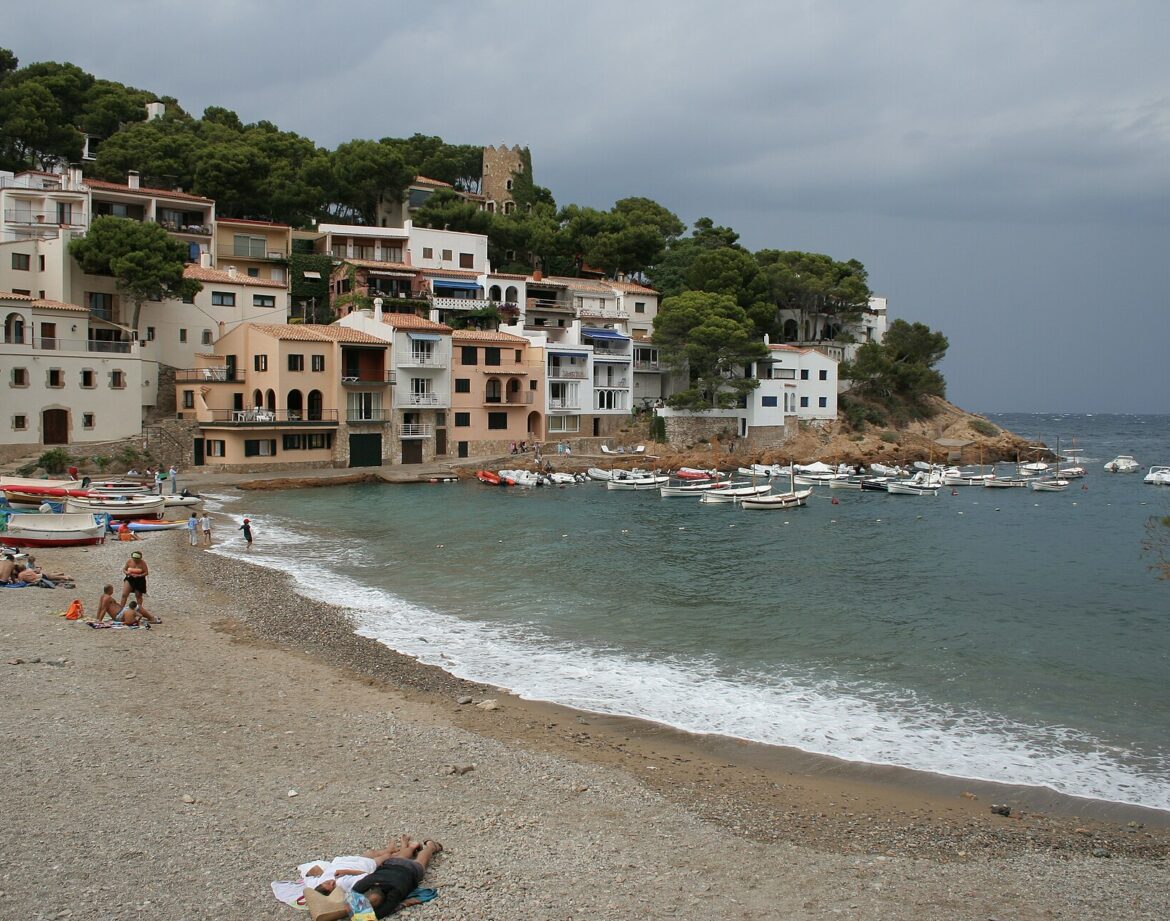
Begur combines a hilltop town with beaches and coves spread across different sections of the coast. For a first visit, choose a beach in the morning and the historic centre in the late afternoon. Sa Riera suits a day on the sand; Sa Tuna combines fishermen’s houses with a rocky shoreline; Aiguablava offers fine sand in a small bay. Two or three days let you explore different settings without spending your time moving between car parks.
The decision that most shapes a holiday in Begur is simple: do you want to step out of your accommodation to have dinner in the centre or to reach the beach? Both experiences belong to the same municipality, but they are not at the same elevation or the same distance from facilities. Choosing the right base matters more than trying to visit every cove in one outing.
Begur is in the Empordà, on the Costa Brava. The town sits on higher ground, with the coast stretching to the north, east and south. On the official interactive map of Begur, mark the historic centre first, then Sa Riera, Sa Tuna and Aiguablava. You will see why accommodation advertised as close to Begur does not necessarily mean an easy walk to the sea.
In the northern section, Sa Riera, Illa Roja and Racó beach form a useful group for planning a day. To the east, Sa Tuna and Aiguafreda suggest a separate outing. To the south, Aiguablava, Fornells and Platja Fonda allow you to combine beaches with the coastal path, choosing only the stretch that suits your group.
Let this division guide your schedule rather than make you feel obliged to visit all three areas. With just one day, choose one. If you are staying three nights, spread out your outings and keep a morning free to return to the beach that worked best, instead of continuing to collect names.
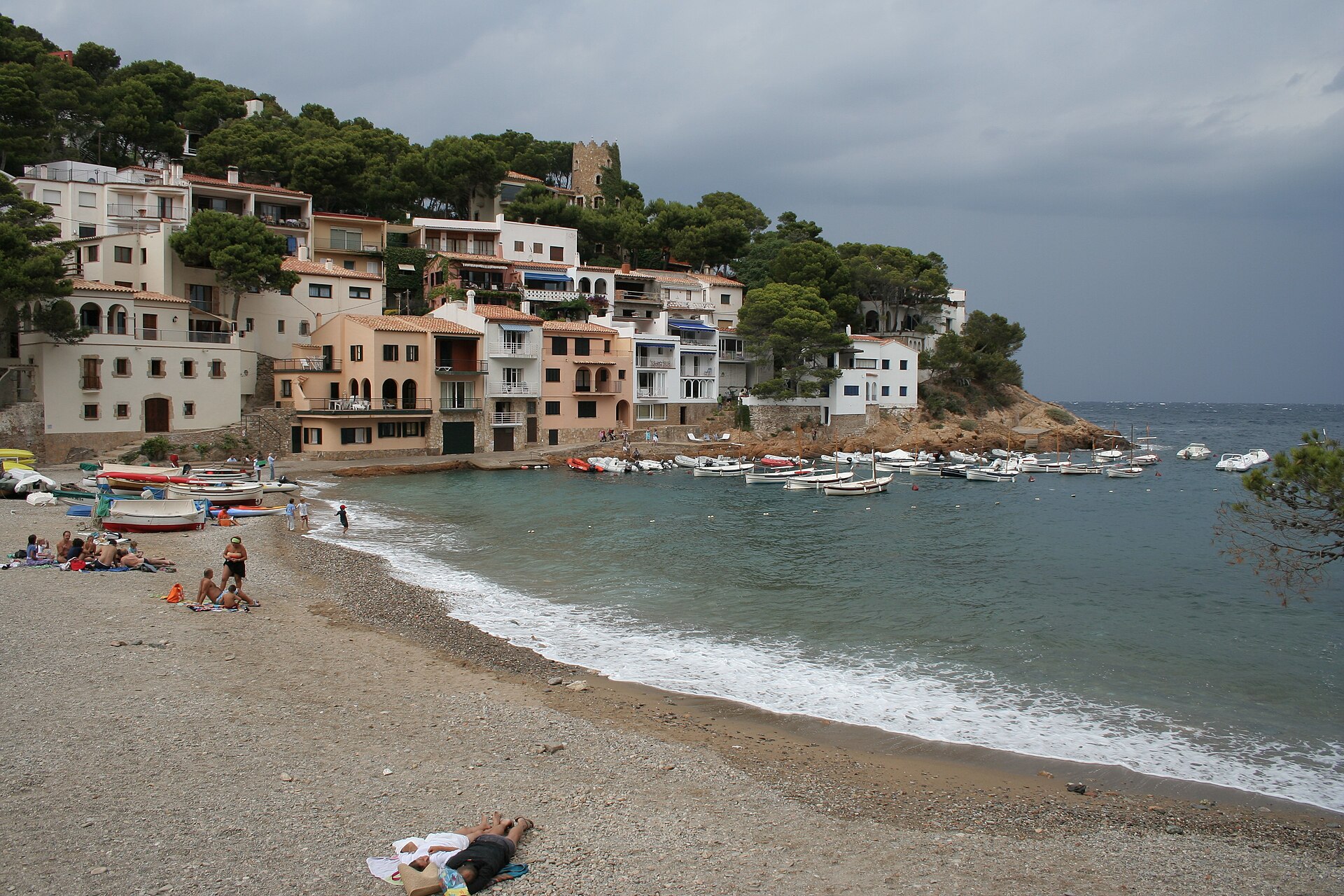
The local tourism office identifies Sa Riera as the largest cove in the municipality, with old fishermen’s houses nearby. It is a practical option if you want to settle in for several hours and take a lunch break without returning to central Begur.
For families, the decision should include the exact accommodation address and the route down to the sand. An apartment on a hillside may have a good view yet still involve a tiring climb after swimming. Choose the entrance you will actually use and check that the daily journey will be comfortable.
The official information page for Sa Tuna describes a small cove with fishermen’s houses and a stony beach. That distinction matters if you picture spreading a towel on fine sand or playing at the water’s edge. Bring footwear suitable for the access route and assess the entry into the water before deciding to stay.
Sa Tuna works well for a morning combining scenery, time by the sea and a carefully chosen walk. If your main aim is building sandcastles with young children, compare another beach. The attractive houses alone do not meet all the needs of a full day of swimming and beach time.
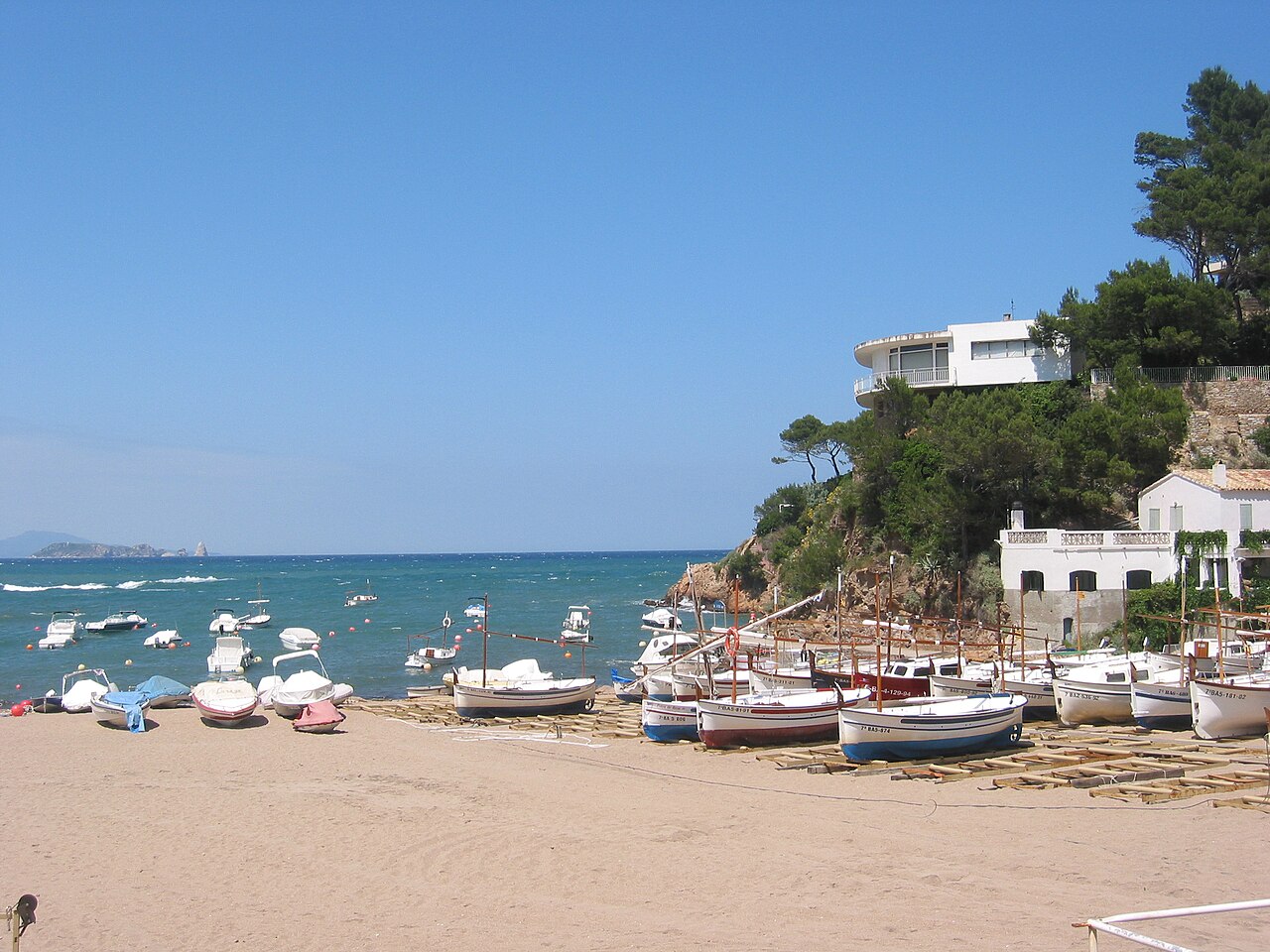
Aiguablava has fine sand and a small bay. It can be an appealing choice if that is the surface you prefer, but arrive with an alternative already in mind. A photograph without people cannot tell you how much space will be available on your travel dates.
If access is restricted or the car park is full, avoid driving round repeatedly in the hope that someone will leave. Having another plan prepared reduces frustration. During a stay of several days, you can save the visit for another morning and enjoy the town centre or a beach you can access in the meantime.
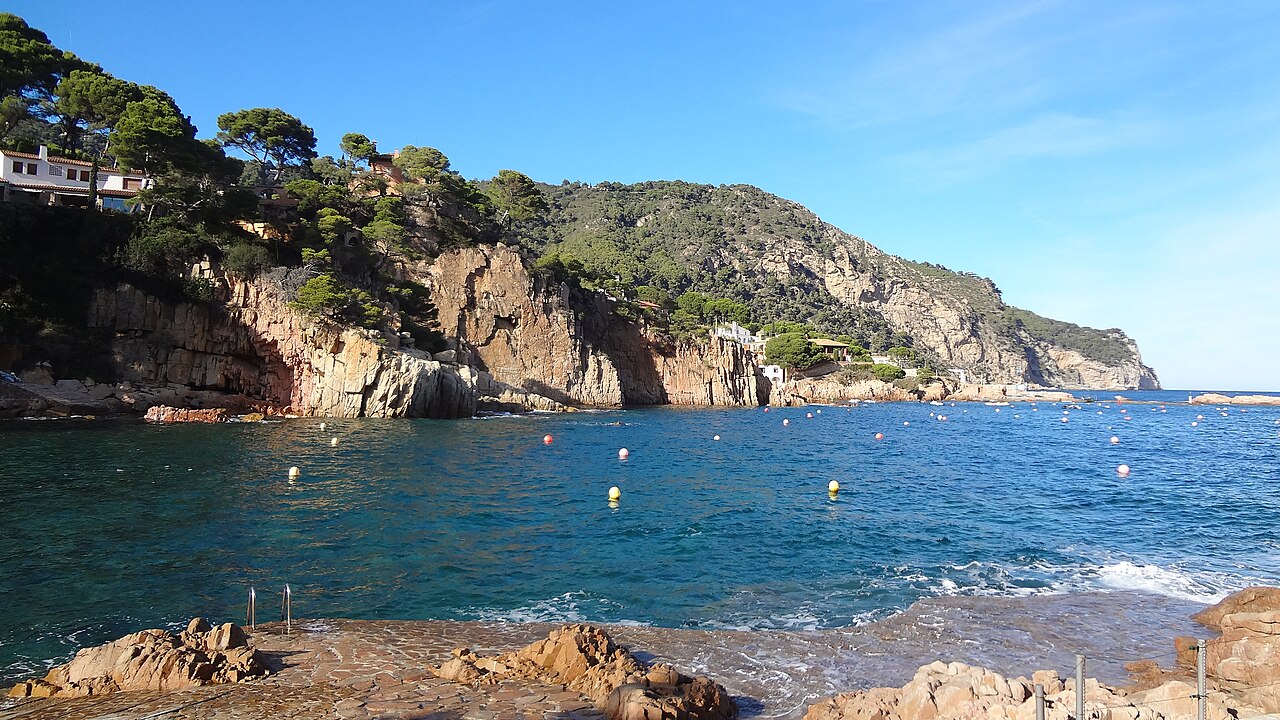
Official information for Platja Fonda notes steps on the way down to the cove. Do not choose it based on a short map distance if anyone has difficulty climbing stairs. The descent is part of the visit, and the return means carrying the same equipment after several hours on the beach.
Illa Roja is a naturist beach, recognisable by the reddish rocky islet that gives it its name. Access is on foot, within the Sa Riera section of the coast. Choose it with that context in mind, respect beachgoers’ privacy and check the condition of the path before continuing.
Affiliate links: we may earn a commission at no extra cost to you.
The medieval castle dominates the skyline of Begur’s historic centre. The church of Sant Pere, the defensive towers and the houses of the so-called indianos reveal other periods of local history. Start your walk in the centre and leave the climb to the castle for a cooler part of the day, depending on the conditions.
The indiano houses are associated with residents who emigrated to the Americas in the 19th century and returned with fortunes. As you walk, notice the difference between these façades and the defensive architecture of the towers. That comparison gives the walk context without requiring you to enter every building or memorise a lengthy chronology.
For a short visit, focus on three things: the streets of the centre, the details of the façades and the view from the castle area. Do not mistake a building marked on the map for an interior open to the public. Many stops are worthwhile for their exteriors and should be visited with respect for entrances, residents and people passing through.
If the climb is unsuitable for your group, keep your walk within the town centre and take a break. The panoramic view is an option, not a condition for enjoying Begur. With limited time, an unhurried walk followed by dinner may be more satisfying than rushing uphill before returning to the car.

The official coastal path network distinguishes three groups: Sa Riera, Illa Roja and Racó to the north; Sa Tuna and Aiguafreda to the east; and Aiguablava, Fornells and Platja Fonda to the south. These are routes to plan separately, not a continuous promenade linking every beach that you can walk without preparation.
For a first outing, choose a section where you return along the same path. That lets you shorten the walk if the terrain, heat or pace of your group calls for it. If taking a one-way route, first confirm how you will get back to where you left the car or need to catch the bus.
The southern coastal path is rated as moderately difficult by the local tourism office and includes steps. Bring water and footwear with good grip; avoid adding heavy beach bags to a walk you do not yet know. With a pushchair, check a specific route rather than assuming that access is continuous throughout.
Conditions on the ground take priority over maps and photographs. If a passage is closed, the sea is rough or signs tell you not to continue, change your plan. To combine walking and swimming, first decide which activity matters most: a walk with a short break requires different preparation from carrying equipment for an afternoon on the sand.
Begur has no railway station. The official guide to getting there identifies Flaçà as a nearby station and describes the onward bus journey via Palafrugell. Before choosing the train, check the whole sequence of connections to the town: a quick journey to the station does not make up for a long wait for the next service.
For journeys by road, follow the Sarfa/Moventis link on that page and check your exact date. Distinguish between arriving in central Begur and reaching the beach area where you will stay. They are separate tasks; the final stage may need another form of transport, especially outside summer or after the daily service has ended.
The official Bus Platges 2026 leaflet lists daily operation from 13 June to 13 September 2026, with routes to Sa Riera, Fornells/Aiguablava and Sa Tuna. Plaça Forgas is shown as the departure point in town. Do not use these timetables for a stay outside the stated period.
Check both the outward and return routes in the leaflet, because departures differ between beaches. Choose your return service straight away, along with an earlier alternative. Gaps between services can affect a walk or a meal; do not organise the day as though a vehicle passes every few minutes.
For dates after 13 September, ask the local tourism office which transport serves your address before booking a stay without a car. An interurban connection to Begur does not prove that the beaches are still served by the summer bus. This check matters particularly when accommodation is on a remote hillside.
Day one: choose Sa Riera for a morning at the beach and save the historic centre for the late afternoon. Between the two, allow time to eat, change clothes and rest. If you arrive after lunch, start in town and move the beach visit to the following morning.
Day two: focus on the Sa Tuna and Aiguafreda area, combining time beside the sea with part of the coastal path if conditions allow. Do not add Aiguablava just to complete the list. These involve different journeys, and switching locations can use up the most pleasant part of the afternoon.
Day three: choose Aiguablava and, if walking is your priority, a stretch towards Fornells. If you would rather relax, stay at a beach you already know. Repeating a choice that works saves another search for parking, another unfamiliar access route and another decision about where to have lunch.
On a rainy or uncomfortably windy day, focus on the town, provided conditions allow you to walk around. Check ahead for any cultural venue you intend to enter. Do not automatically replace a beach visit with a coastal walk: both may be affected by the same spell of bad weather.
Historic centre: makes sense if you value walking out for dinner and an evening stroll. Accept that reaching the beach will require a journey. Ask where you can unload luggage and park before following your navigation app into narrow streets or areas with restricted traffic.
Sa Riera: compare options here when you want to prioritise the sand and reduce journeys during the day. Check the difference in elevation between the property and the beach. A ‘sea view’ may mean a hillside position with a very different walk from the one you imagined.
Sa Tuna or Aiguablava/Fornells: appeal to visitors seeking a stay centred on one section of the coast. Confirm the places to eat, shops and transport available on your chosen dates. A spacious house in a residential development can work very well with a car but involve too much organisation when everyone depends on public transport.
AL Rental is adding direct properties to its offering. If no option in the catalogue fits your trip, you can compare external accommodation on Booking. Check capacity, address and booking terms without assuming that a property on that platform belongs to AL Rental’s direct offering.
Do not book on the name Begur alone: locate the entrance and map the route to your preferred beach. Do not confuse advertised parking with an included private space. And avoid booking an activity at sea without confirming the meeting point; the name of a coastal area may cover several access points.
For a fish or rice meal, check the menu and ask about minimum portions before deciding. If you have a bus to catch back, mention it when you arrive. A leisurely meal fits better into a day spent in the same area than between two beaches with infrequent transport.
Stay in the centre for evenings on foot, or on the coast to revisit a nearby beach. Always compare hills, shops and transport from the exact address.
Choose one area per day. Sa Riera, Sa Tuna and Aiguablava suit different preferences for beach surface, scenery and daily routine.
Confirm both outward and return buses. The published 2026 calendar ends on 13 September; do not assume the service continues beyond that date.
Select a stretch of path and plan your return. Steps, heat and the equipment you carry matter as much as the distance shown on the map.
The historic centre is on higher ground. The beaches belong to the municipality but require separate journeys from the town.
Two or three days let you combine the centre with different sections of the coast. With just one day, choose one beach and a visit to the town.
Yes, with suitable connections and well-located accommodation. Check the journey to town, access to the beach and the return separately.
That is not the advertised schedule. The 2026 leaflet covers 13 June to 13 September; other dates require confirmation.
Sa Tuna has a stony beach and fishermen’s houses beside the cove. Aiguablava has fine sand. Consider access and how busy it is when choosing, too.
The tourism office groups the routes into three sections. Plan a suitable stretch and do not assume there is a continuous, level, accessible promenade connecting them all.
Begur, on the Costa Brava, tends to have fewer crowds than the Costa Blanca even at the height of summer. June and September offer the best balance of water temperature, sunshine and quiet coves. July and August remain the busiest months, especially for well-known coves like Sa Tuna and Aiguablava. Spring is a good time for coastal walks with cooler temperatures.
Girona-Costa Brava airport is the closest, about 40 km away. Barcelona-El Prat airport is an alternative, about 140 km away. A car is strongly recommended, as Begur and its coves have very limited public transport connections.