Faial Island in the Azores: what to see, where to stay and how to plan your trip
Faial Island is one of the best gateways to the central Azores. Known as the Blue Island for the hydrangeas that colour its summer landscape, it combines the ocean, volcanoes, Atlantic history, viewpoints, an international marina and a close relationship with neighbouring Pico. It is an excellent choice for travellers seeking nature, relaxed sightseeing, ocean experiences and well-placed accommodation. Faial is not an island to rush: the longer you stay, the more clearly you see the connection between Horta, the Caldeira, Capelinhos Volcano, Porto Pim and the channel towards Pico.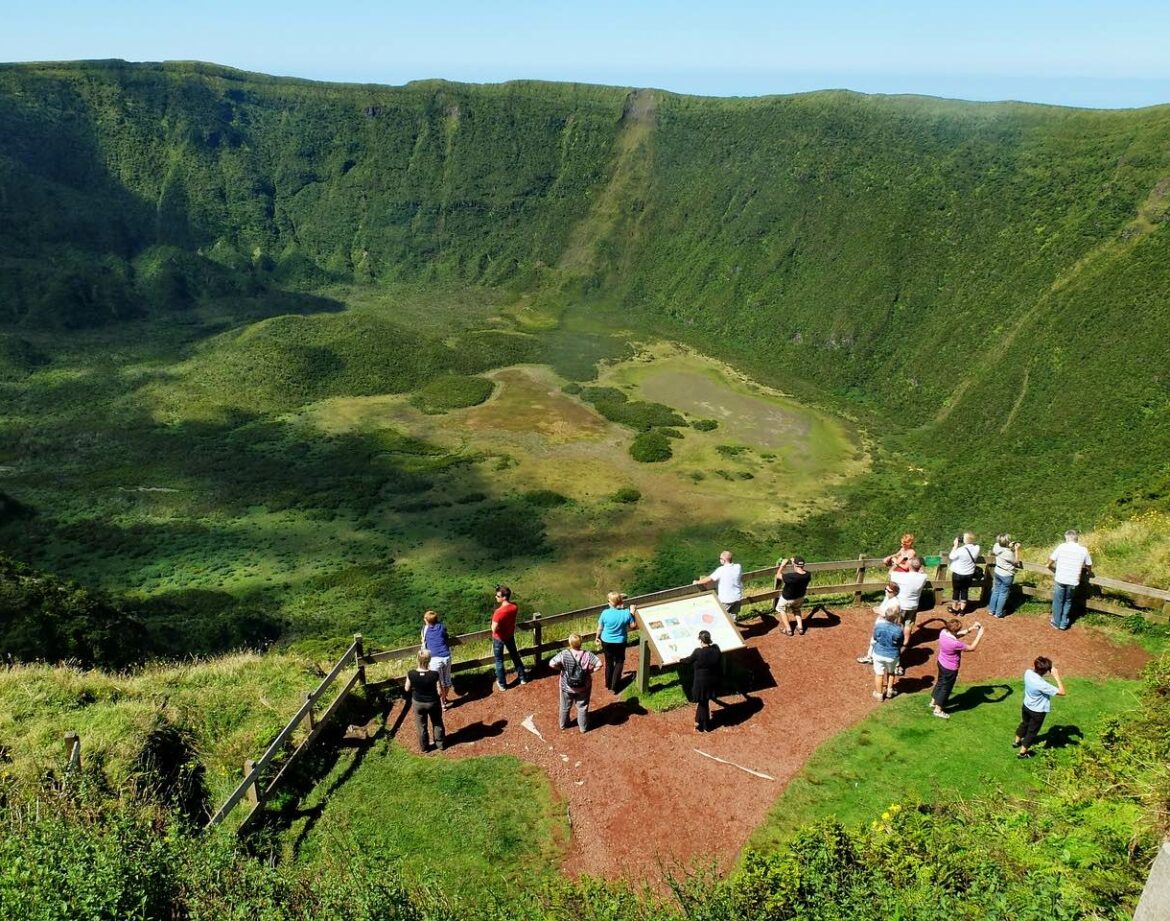
Why visit Faial Island?
Faial has a very manageable scale. It is small enough for easy journeys but varied enough to justify several days. It works well for couples, families, ferry passengers, travellers combining Faial with Pico and São Jorge, and anyone looking for an island with a strong identity. Horta gives Faial a special energy. The city has restaurants, services, a working harbour, the marina, pleasant streets and a constant view towards Mount Pico. Beyond the city, the scenery changes quickly: green craters, coastal areas, fields, viewpoints and the volcanic landscape of Capelinhos reveal a surprisingly diverse island.What to see on Faial Island
Horta and Horta Marina
Horta is the natural centre of the trip. Its marina is one of the best known in the Atlantic and preserves paintings left by sailors from around the world. Each one records a stop, a crossing or a story at sea. Walking around the marina, historic centre and waterfront reveals the island's cosmopolitan character. It is also the easiest place from which to organise meals, boat trips, cultural visits and drives around Faial.Capelinhos Volcano
Capelinhos Volcano offers one of the most powerful landscapes in the Azores. The 1957-58 eruption changed the island's shape and left a terrain of ash, rock and geological memory. Dark ground, the old lighthouse and the ocean create a striking contrast with the archipelago's usual green scenery. Allow time for the visit. The Capelinhos Interpretation Centre explains the eruption, its effect on the population and the scientific importance of the site.Faial Caldeira
The Caldeira is the island's natural heart. This broad green crater shows Faial's volcanic scale with remarkable clarity. On a clear day, the viewpoint provides one of the trip's most memorable views. Visibility changes quickly, so keep the itinerary flexible. If cloud covers the crater, returning later can be worthwhile. Hiking routes should always be approached with respect for local guidance and weather conditions.Porto Pim
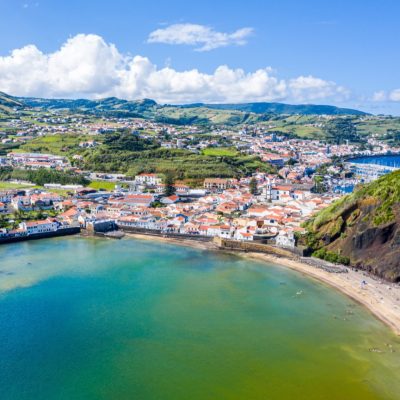
Porto Pim is one of Horta's best places to pause beside the sea. Its sheltered bay is attractive and photogenic, with pale sand, calm water in good weather and a historic setting connected to the former whaling industry. It is a pleasant place to end the day or choose accommodation if being close to both the sea and the city matters. Porto Pim, central Horta and the marina are all within easy reach of one another.How many days do you need on Faial?
Two nights can cover the essentials with a tight plan. Three or four nights are better for travelling slowly, adapting to the weather and adding ocean activities or a trip to Pico. A simple itinerary could devote one day to Horta, the marina and Porto Pim; another to the Caldeira, viewpoints and Capelinhos; and a third to local food, whale watching or a ferry journey. For a combined trip, see our Pico Island guide.Where to stay on Faial
Horta is the most practical base for restaurants, the marina, services and ferry connections. It also reduces driving at the end of each day. For more peace, consider accommodation outside the city, especially if you have a car. Check parking, access, distance to shops and driving times. Families may find that a kitchen, laundry facilities and outdoor space make a meaningful difference.Affiliate links: we may earn a commission at no extra cost to you.
Affiliate link
How to get around Faial
A car makes it much easier to visit the Caldeira, Capelinhos, viewpoints and coastal areas. Faial is not large, but relying entirely on buses or taxis limits flexibility when visibility and weather can alter the day's priorities. Book ahead, compare collection terms and confirm whether the accommodation has convenient parking.Hiring a car on Faial
A car is the most practical option for reaching the Caldeira, Capelinhos, viewpoints and the coast independently.
Affiliate link
Experiences and activities on Faial
Faial is closely tied to the Atlantic. Its best activities combine nature, volcanic scenery and ocean experiences. Whale and dolphin watching, coastal trips, Capelinhos and interpretive routes around the Caldeira fit well into a three- or four-night stay. Before booking, check the duration, meeting point, language, cancellation policy and dependence on sea conditions.Activities on Faial
Browse boat trips, ocean experiences and island activities before finalising the itinerary.
See activities on FaialPractical planning advice
Weather may change several times in a single day. Bring layers, comfortable footwear, a light waterproof and a flexible plan. Viewpoints and the Caldeira depend heavily on visibility. In summer, book accommodation and a car early. Outside high season, confirm ferry times, activities and service opening hours. Grouping sights by area avoids unnecessary driving.Experiences for your trip: Faial
Compare meeting points, times and inclusions before booking. Availability depends on your dates and local conditions.
Affiliate link
Frequently asked questions about Faial Island
Faial, an island for slow travel
Faial brings together nature, a small city, the ocean, volcanoes, history and good links to neighbouring islands. It is not merely a stopover; it is a destination with its own identity. Choose the accommodation area carefully, allow for weather changes and organise each day by region to experience the Blue Island at a more rewarding pace.