



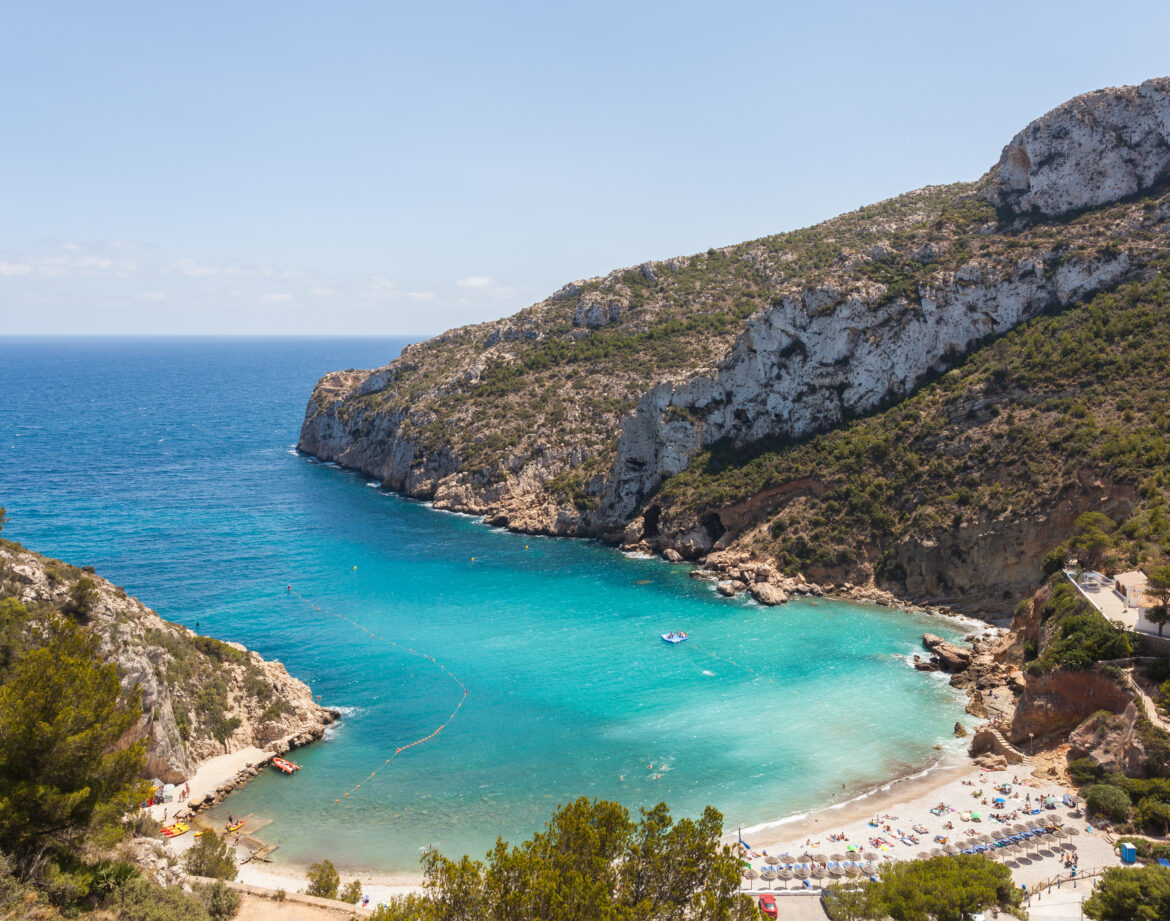
When to visit the Costa Blanca
The best time to visit the Costa Blanca depends on the trip: June and September offer the best balance for the beach; spring and autumn are ideal for the city and trails; July and August bring the highest temperatures and demand. Winter is suitable for quiet stays and outings, but it does not guarantee days at the beach.
The best date depends on heat, budget, school holidays and activities.
The best time to visit the Costa Blanca depends on the purpose of the trip. A family looking for warm sea needs different dates than a couple interested in trails, gastronomy and historic centres.
This guide compares seasons, prices, crowds, festivals and transport to identify the month with the fewest compromises.
Quick choice by profile
Affiliate links: we may earn a commission at no extra cost to you.
Affiliate link
For the beach and fewer crowds, June or September. For maximum heat and school holidays, July or August. For hiking and city breaks, choose April, May or October. For a long and calm stay, winter.
Beach
June to September, with early bookings in July and August.
Hiking
Spring and autumn, avoiding extreme heat.
Families
June or September when the school calendar allows; summer with practical accommodation.
Budget
Compare intermediate months and long stays outside of high season.
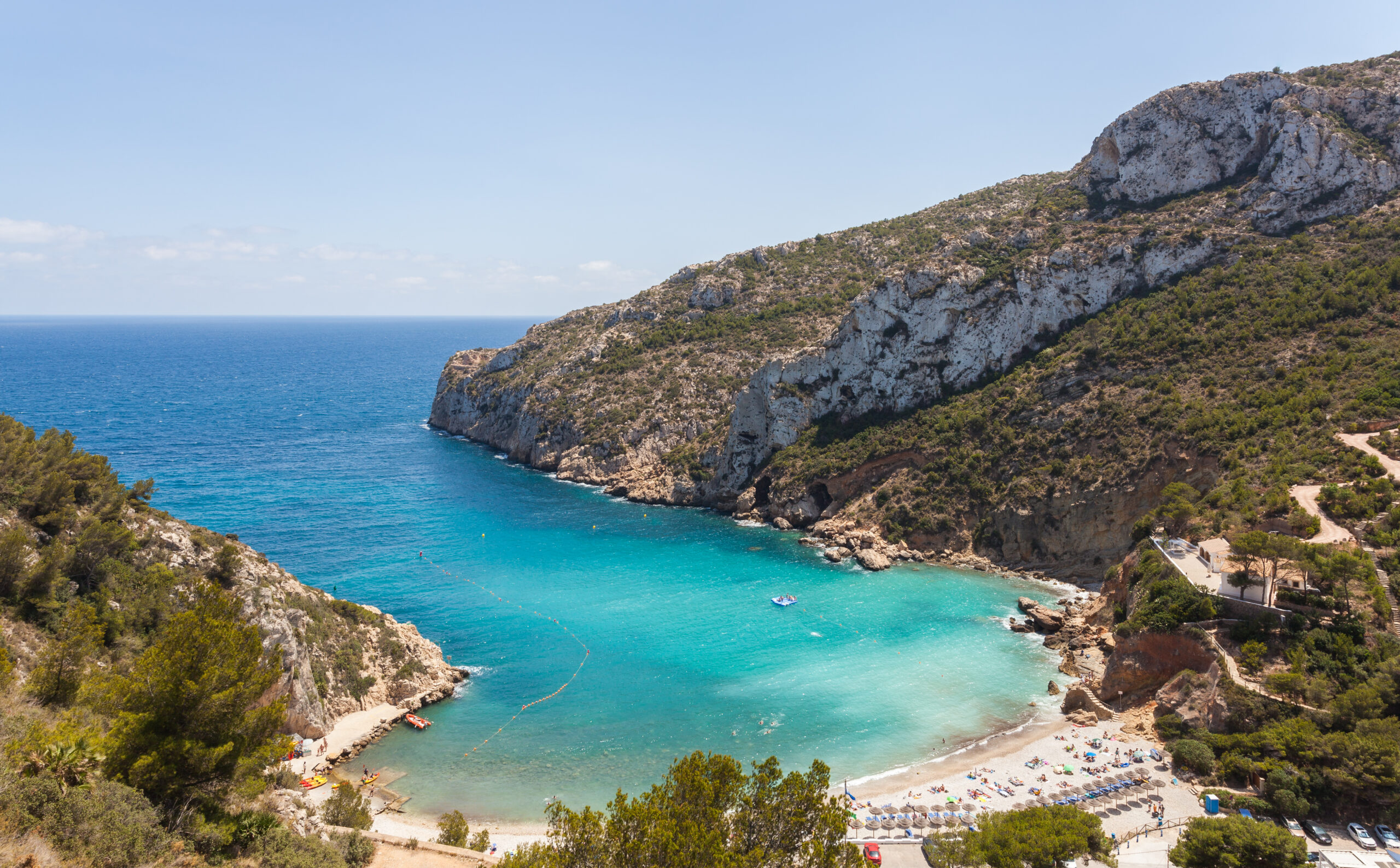
Spring on the Costa Blanca
March to May offers light, flowering and temperatures more suitable for walking. The water may be cool and some beach services still have limited opening times.
Spring is excellent for combining Valencia, Altea, Guadalest, Calpe and natural parks. Consult the Easter calendar and local festivals as they influence demand.
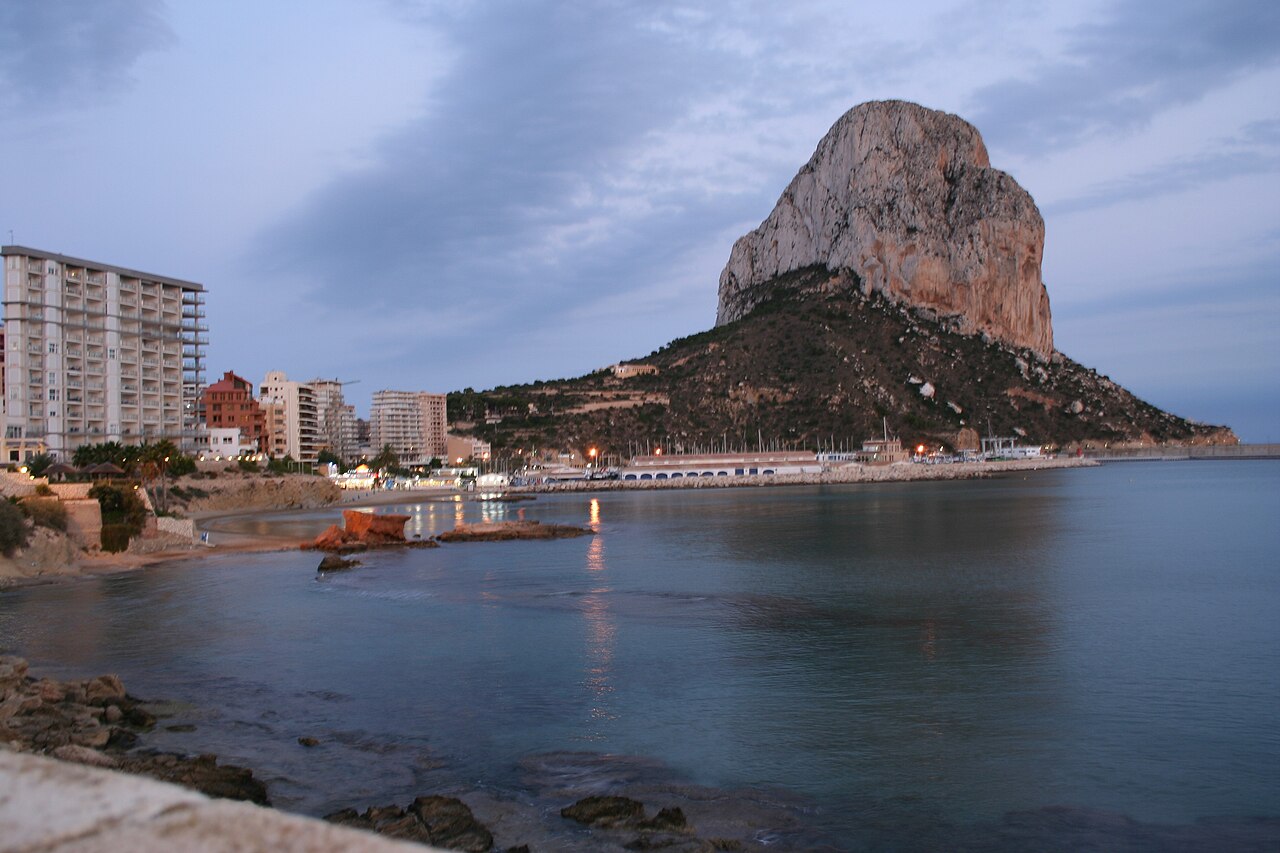
Summer: June, July and August
June becomes warmer without always reaching August crowd levels. July and August offer atmosphere, wide opening hours and warmer seas, but require reservations for accommodation, car and restaurants.
Start early, take a break at midday and avoid parking in unauthorised areas. Sun protection and hydration are essential.

September and October
September keeps water pleasant and gradually reduces families after returning to school. October can offer excellent days for the coast and cities, with a greater risk of episodes of intense rain.
Follow weather warnings and do not cross flooded areas. Choose flexible cancellation on trips centred entirely on beach time.
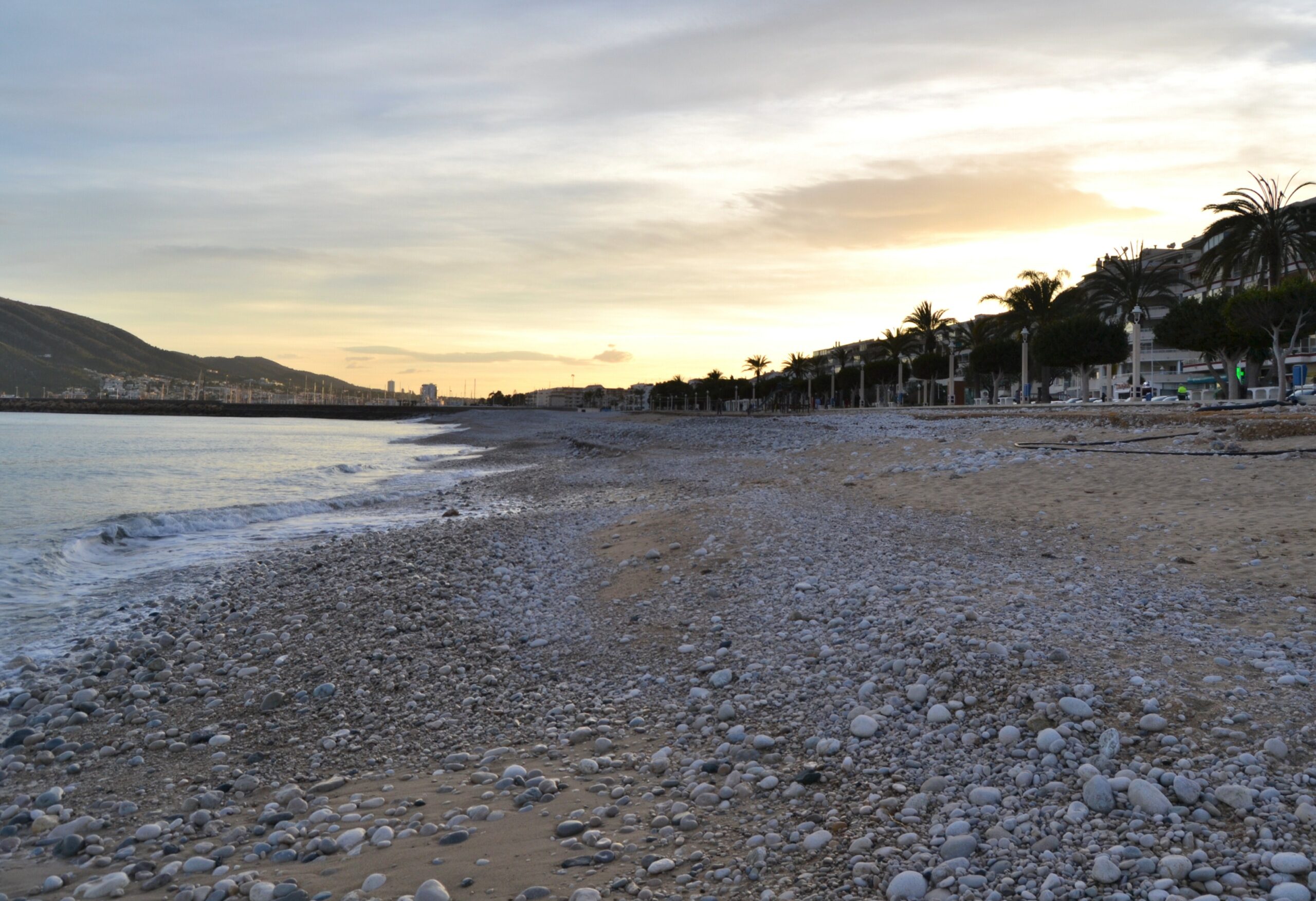
Winter: what to expect
Winter offers a different pace, good food and lower seasonal prices, especially for long stays. Sunny days exist, but mornings and evenings can be cold and the wind alters the sensation.
Don’t choose accommodation just because of the outdoor pool. Confirm heating, sun exposure and open services in the area.
Prices and availability
Demand grows during school holidays, festivities and weekends. Average prices cannot replace checking the exact dates of your trip. In August, parking and meals also cost time.
Compare accommodation with kitchen and parking included. A more expensive option can reduce expenses and stress.
Parties and events
Fallas in Valencia, Holy Week, Moros and Cristianos and local festivals change the atmosphere and availability. Confirm official dates, noise and access before booking at the centre.
Travelling for a festival requires planning; arriving without knowing it is taking place can bring unexpected crowds and noise.
Best month for each base
Dénia and Jávea shine during the beach season; Calpe also works for hiking; Altea retains its cultural appeal; Benidorm is active almost all year round; Valencia is a year-round destination.
The choice of base can compensate for the season. Read where to stay in the Valencian Community.
How to turn this guide into a realistic plan
Start by writing on one line the main objective of the trip and the limit you don’t want to exceed. It might be keeping daily drives under one hour, staying close to the beach, avoiding accommodation changes or remaining within the total budget. This phrase helps eliminate options that are beautiful on the map, but incompatible with the actual trip.
Then, confirm coastal distances, Alicante and Valencia airports, parking and bathing seasonality. Only when these elements are clear should you book secondary experiences. In the Valencian Community and the Costa Blanca, an efficient itinerary leaves room for weather, traffic or tiredness and avoids depending on a single attraction to justify the entire day.
Planning for 3, 5 and 7 days
3-day getaway
Choose a base and two priorities. Leave room for arrival delays on the first day; the second concentrates the main experience; the third is close to the exit route. On a short trip, avoid changing base several times: check-ins and luggage use up time that looked available on the map.
5-day trip
Add an excursion, nature day or second zone, keeping at least a half day flexible. Five days allow you to alternate activity and rest and adjust a choice affected by the weather without eliminating the rest of the itinerary.
7-day holiday
In a week, distribute three essential days, two complementary days and two lighter periods. Repeating a beach, a valley or a city is not a waste: it reduces travel and improves the experience. A week should only have two bases when there is a clear geographical reason.
Budget: compare the total cost
The price per night is just one part. Include arrival transport, local travel, parking, meals, tickets, equipment, insurance and possible cancellation costs. Central accommodation may cost more but save two taxi rides a day; a detached house can work well for a group with a car yet be impractical for travellers without one.
Book services with limited availability first and leave for later what can be decided locally. Read the cancellation conditions and do not confuse the non-refundable rate with automatic savings. Flexibility is valuable when the trip depends on sea, mountains or connections.
Safety and up-to-date information
Opening hours, access, trails, roads and sea conditions change. Check official sources close to departure and confirm the information again the day before. An old publication or photograph does not replace signage, weather warnings or local instructions.
Save documents, addresses and bookings for offline access. Share the plan of demanding activities and do not force an activity just to meet the schedule. Changing the route in the face of rain, heat, wind or snow is a quality decision, not a failure.
Travel with respect for the destination
Park only where permitted, take waste with you, keep your distance from animals and respect private property. In historic centres and residential buildings, reduce noise and follow accommodation rules. Tourism is only sustainable when visitors do not make daily life harder for local residents.
Prefer reputable operators, local businesses and experiences that explain the destination. Do not remove stones, plants or other natural elements and avoid creating new trails. Photographing a place does not require entering closed areas or blocking circulation.
How to assess weather forecasts and climate averages
Averages help to compare months, but they do not describe the specific week. See temperature, precipitation, wind and daylight hours together. For beaches, water temperature and shore exposure matter; for mountains, altitude and thunderstorms weigh as much as the predicted maximum.
Build a list of activities for stable weather, another for reduced visibility, and a third for rain. Thus, the date is no longer a binary bet between sun and failure. The best time is also when the traveler accepts the normal characteristics of the destination.
Seasonal bookings to prioritise
Flights, small hotels and apartments, hire cars and sea activities sell out at different rates. Book the service with the least availability before adding optional experiences. When travelling outside high season, confirm that the service will actually be open.
Errors that reduce the quality of the trip
- Booking before confirming the logistics: check the map, timetables and conditions before deciding.
- Filling every day: keep room for rest and changes.
- Choosing only by price: compare the total cost and lost time.
- Ignore recent reviews: services, noise and access may change.
- Depend on a single experience: always prepare a coherent alternative.
Final checklist before booking
- Main objective and pace of the trip defined.
- Base chosen for logistics, not just photography.
- Transport, parking or transfers confirmed.
- Seasonal activities verified in official source.
- Cancellation, insurance and documentation reviewed.
- Keep one flexible block free in the itinerary.
Quick decision
For most travelers, June and September are the best choices. April, May and October favor culture and nature. July and August are open for the beach with advance reservations. Winter is for tranquillity, not for guaranteeing swimming in the sea.
Affiliate link
Experiences for your trip: Jávea / Dénia / Calpe
Compare meeting points, times and inclusions before booking. Availability depends on your dates and local conditions.
Affiliate link
Frequently asked questions about the best time to visit the Costa Blanca
What is the best month?
June and September balance beach weather, comfortable temperatures and fewer crowds.
Is August too busy?
It is one of the periods of greatest demand; book early and plan for parking.
Is it possible to go to the beach in October?
There may be pleasant days, but there is no daily guarantee.
When is it cheaper?
Prices are usually lower outside summer and major events, although they depend on the area and length of stay.
When is the best time to go hiking?
Spring and autumn, avoiding extreme heat and intense rain.
Is Benidorm open in winter?
Yes, it maintains more services than many seasonal areas.
When should I book accommodation?
For summer, several months in advance; outside high season, compare flexible booking conditions.
Is September good for families?
Yes, especially after the August peak and with the water still pleasant.
Sources and credits: information checked against the AEMET, Spain’s official weather service and other official tourism, transport, weather and heritage sources. Real images from the media library retain the credits and licences associated with their original files.