Urban experience
Market, historical tour and rice lunch.



To discover Valencian gastronomy, combine a market in the morning, a rice lunch in the right place and a product experience: winery in Utiel-Requena, horchata in Alboraia, fish in Dénia or rice fields in Albufera. The objective is not to taste everything, but to understand the origin of each flavor.
The best gastronomic experiences in the Valencian Community begin before the dish reaches the table. The vegetable garden, the Mediterranean, the rice fields, the municipal markets and the wine-growing areas form a chain that the traveler can visit. This guide organizes options by territory, available time and type of experience.
Talking about Valencian cuisine only through paella leaves out a large part of the territory. On the coast there are fish, shellfish, dried octopus, clochina and rice cooked in broth or oven; In the interior, stews, sausages, game, honey, olive oil and wines gain weight. Alicante adds turrón, pickles and rice to the band, while Castellón offers dishes linked to the mountains and ports.
The experience improves when you choose an area and look for its specialty. Ordering paella next to Albufera, tasting red gamba in Dénia, visiting a wine cellar in Requena or drinking horchata in Alboraia creates a clear connection between product and place.
Before booking, confirm whether the activity is a visit, a tasting, a practical class or just a meal. The word “experience” can hide very different proposals.
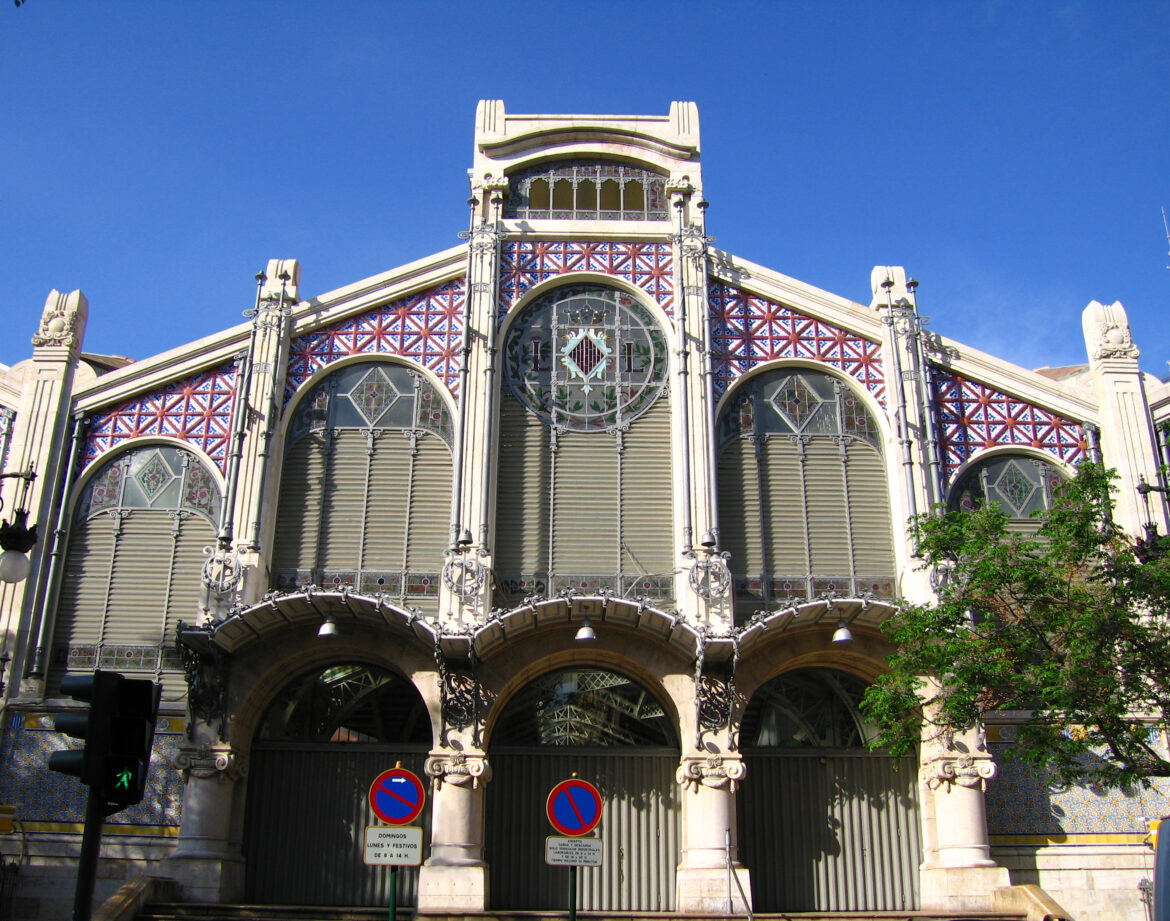
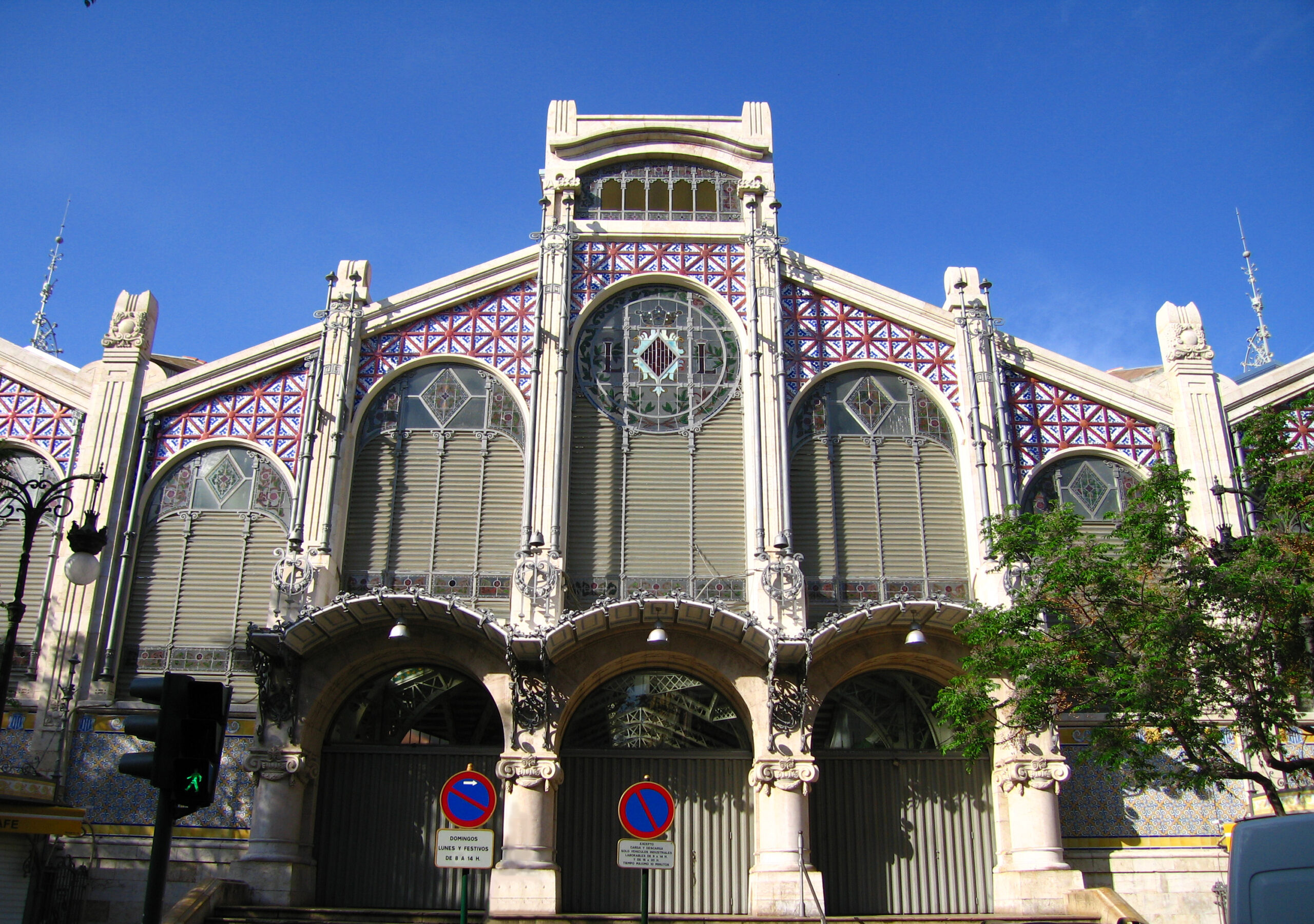
Valencia’s Central Market is a modernist building and, at the same time, a work space. Arriving early allows you to see fish, vegetables from the garden, meats, cheeses, nuts and seasonal products with fewer crowds. Mercado de Colón has a more gastronomic profile, while Russafa maintains a strong connection to the neighborhood.
Avoid blocking corridors to take photos, ask for permission before taking sellers up close and buy small quantities if you want to try it out. A guided tour is useful when it includes context about the garden, seasonality, and the difference between produce that a visitor might not recognize.
To turn the visit into learning, choose three ingredients and follow them to lunch: tomatoes, rice and olive oil, for example. This small rule avoids skimming through dozens of stalls.
Affiliate links: we may earn a commission at no extra cost to you.
Affiliate link
Traditional Valencian paella is just one of the preparations. The banded rice is born linked to the fish; black rice uses cuttlefish ink; rice al horno has a different texture and logic; brothy rice requires a spoon and time. On the coast of Alicante, the variety is especially wide.
A serious restaurant usually informs the preparation time and may require a minimum of two people. Ask if the price is per person, if the rice is freshly made and how large the portion is. Huge photographs on the menu and dozens of paellas ready in a few minutes are signs to evaluate with caution.
At Albufera, book lunch and leave space. In Dénia, look for restaurants linked to maritime products. In Alicante, it is considered rice a banda or arroz del senyoret. The choice should follow the territory, not a generic list of “must-eat dishes”.
Utiel-Requena offers one of the clearest gastronomic getaways since Valencia. The Bobal grape variety, the underground cellars and the plateau landscape justify a visit of their own. Some wineries only accept reservations and organize tastings at fixed times; do not appear without confirmation.
Choose the visit based on the depth you are looking for. An initiation explains winemaking and includes few wines; a technical test addresses installments, aging and harmonization. If you drive, decide in advance who doesn’t drink or hire transport.
The interior also allows you to combine wine with Requena sausages, olive oil, honey and mountain cuisine. Staying one night reduces rush and turns the route into an experience, not a sequence of drinks.
Affiliate link
In Alboraia, horchata gains context when you see the chufa and the garden landscape. Try it with lots of it, but compare texture and sweetness between houses. In Xixona and Alicante, the turrón can be seen through historic shops and interpretive spaces, especially outside the Christmas campaign.
Dénia is a gastronomic reference and UNESCO Creative City. Red prawn is a product with a high price and variable availability; Ask about the weight and price before ordering. In ports and markets, respect auction times and work areas.
Other products deserve attention: Benicarló artichoke, citrus fruits, country cherries, olive oil and artisanal cheeses. Seasonality should guide the journey: food that is out of season rarely offers the same experience.
Reads the duration, language, maximum number of participants and everything that is included. In a paella class, check whether each participant cooks or just watches. During a wine tasting, confirm transport, quantity, food and policy for minors.
The most useful experiences don’t promise “unlimited food”; explain origin, technique and culture. Consult recent reviews, but you value comments about the organization and quality of the guide more than opinions based solely on quantity.
Inform allergies in writing and confirm them again at the beginning. For vegetarian or gluten-free diets, ask if the adaptation maintains the meaning of the experience or if it is preferable to choose another activity.
On the first day, focus on Valencia: visit the Central Market early, taste seasonal products and reserve a rice lunch outside the peak hours. In the afternoon, Alboraia allows you to discover horchata and chufa without a long journey. The second day can be dedicated to Albufera, relating rice fields, lagoon and cuisine. In the third, choose a territory: Utiel-Requena for wine, Dénia for fish and coastal cuisine or Alicante for markets, salt flats and Mediterranean cuisine.
It is not necessary to turn each meal into an extensive tasting. Alternating a guided experience with simple meals helps you stay on budget and on track. Ask about lunch menus, off-menu dishes and the origin of the product. In the markets, only buy what you can legally preserve and transport; Fresh produce and liquids may be limited on the return journey.
A good gastronomic activity informs duration, language, group size, drinks included and cancellation policy. When visiting wineries, confirm return transport before the tasting. If there is driving, designate someone who doesn’t drink or choose a tour with transport. Families should ask if the activity is child-friendly and if there is an alcohol-free alternative.
Allergies and intolerances require written confirmation, especially in shared rice dishes, seafood dishes and preparations that use broth. “Vegetarian” and “gluten-free” do not necessarily mean no cross-contamination. Communicate needs at the time of booking and reconfirm them upon arrival. A professional operator responds concretely and does not promise what he cannot guarantee.
Municipal markets can be explored for free, while guided tastings, cooking workshops and private tours add to the cost. Invest where the guide adds knowledge that is difficult to obtain on your own: a winery with technical explanations, an olive oil producer, a responsible fishing trip or a class that teaches you how to distinguish rice techniques. For a normal meal, the restaurant’s location and rotation are often more important than social media-ready decor.
Avoid booking multiple non-refundable activities on the same day. Traffic, heat and long meals are part of the local reality. A ninety-minute margin between experiences makes the itinerary more comfortable and reduces the risk of missing a reservation.
Authenticity does not mean looking only for old spaces or rejecting contemporary proposals. It means finding a clear relationship with the territory: identified product, team capable of explaining its origin, respected seasonality and transparent pricing. A highly visited market may still be genuine, while an experience presented as “secret” may just be marketing. Ask simple questions about suppliers, product season and preparation method. Concrete answers say more than any thematic decoration.
Share the table and time with respect. Do not photograph workers or customers without authorization and avoid blocking market aisles. When purchasing directly from producers, bring cash or confirm accepted payments. Small gestures improve the experience and better support the local economy.
Market, historical tour and rice lunch.
Winery, local produce and a leisurely evening.
Port, fish or seafood and promenade.
Confirm diet, language, duration and cancellation policy.
Compare meeting points, times and inclusions before booking. Availability depends on your dates and local conditions.
Affiliate link
A walk through the Albufera combined with rice in El Palmar brings together landscape, product and cuisine.
No. Check the official timetable and prioritize the morning; Sundays and holidays may change the opening.
In specialized restaurants and on weekends it is prudent to reserve and order rice.
Yes. There is heritage, historic wineries, gastronomy and landscape; many tests offer alternatives.
Arroz a banda, arroz del senyoret and maritime recipes are choices consistent with the coast.
It is a red variety closely linked to Utiel-Requena, capable of producing reds and rosés with different styles.
Markets and family classes may accept; wineries and long activities vary, so check first.
Inform in writing before paying, ask about cross-contamination and confirm again on site.
Garrofó is a bean used in Valencian paella, not a fish. When comparing menus, distinguish Valencian paella, fish rice and eel all i pebre. Ask the restaurant about ingredients and allergens; the menu name alone is not enough.