



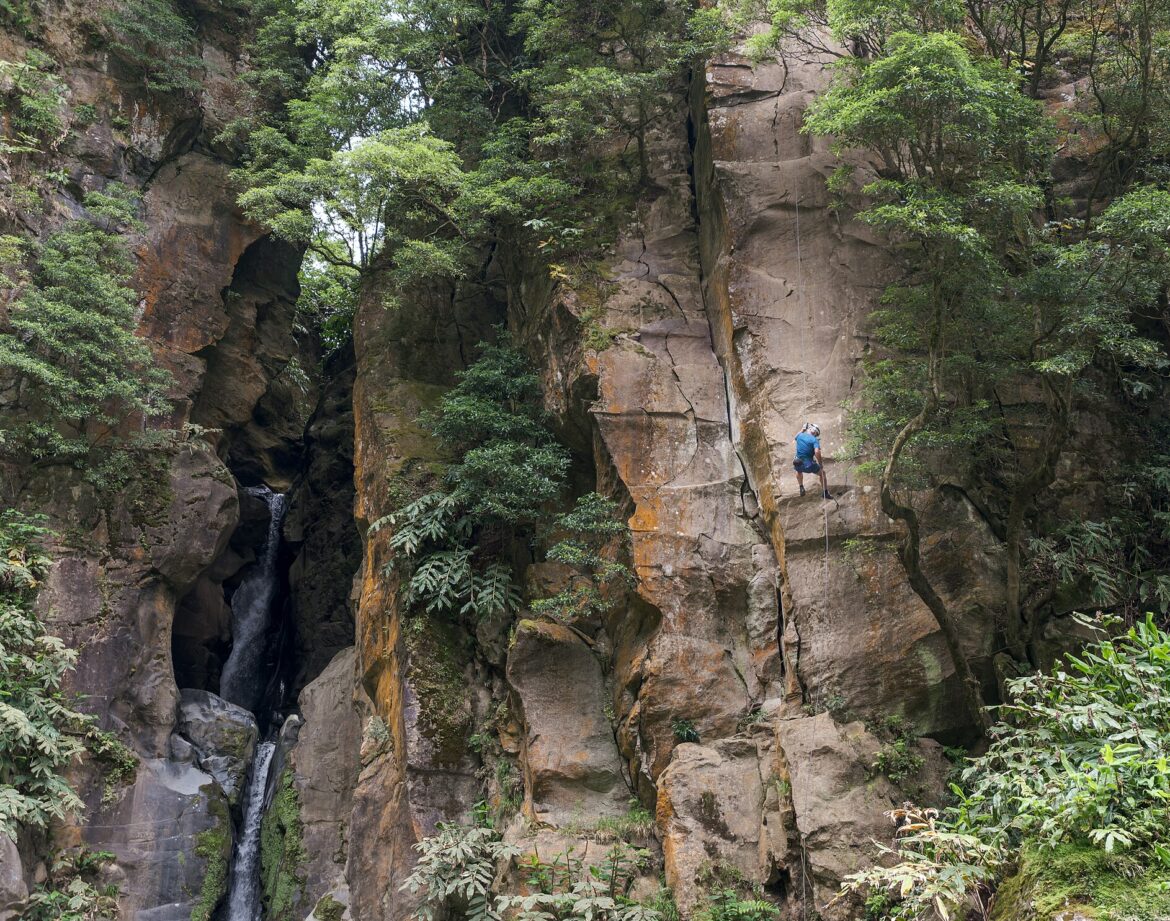
Trails and canyoning in the Azores: how to choose a safe adventure
Walking and going down streams are two intense ways to get to know the geology of the Azores. These activities are also exposed to rain, mud, dizziness, floods and the absence of a mobile network. This guide helps you distinguish a familiar route from a technical adventure and shows why the safe experience begins before you reach the trail.
The official network and the choice by island
The network classified by the Regional Government recovers historic paths used between locations, pastures and the coast. São Miguel offers great variety; São Jorge is known for its fajãs; Flores combines waterfalls and humid relief; Pico brings together vineyards and mountains; Faial, Terceira, Graciosa, Santa Maria and Corvo have their own identities. Choose the island first and then filter on length, shape and difficulty. A linear rail requires transportation at the end. A circular simplifies logistics. Compares official time with available light and group rhythm. Don't collect trails. A well-chosen walk, with time for viewpoints and recovery, is worth more than two hasty routes.Difficulty, danger and obstacles
The official classification considers effort, danger and obstacles. “Moderate” may involve mud, high steps and vertigo. Reads profile, elevation difference and notes, not just kilometers. Coastal routes may be exposed to wind; fajãs include cliffs; tunnels require a flashlight; mountain trails change with fog. People afraid of heights should look for specific references. With children, choose family classification and maintain supervision. After heavy rain, even an easy route can become slippery.Affiliate links: we may earn a commission at no extra cost to you.
Affiliate link
Weather and preparation before walking
The weather in the Azores changes quickly. Check local forecast, official status and visibility. Inform someone about the route and return time. Bring a charged cell phone, but don't rely on coverage. Wear layers, breathable waterproof, boots with grip, water and food. Sunscreen is still necessary in cloudy conditions. Water from streams and lakes should not be consumed. Cleans seeds from shoes before and after to reduce the spread of invasive species. Close gates like you found and don't disturb livestock.- 112 is the European emergency number.
- Do not use shortcuts or leave the markup.
- Take trash and leftover food with you.
- Give way and keep groups small.
Canyoning: islands, levels and operator
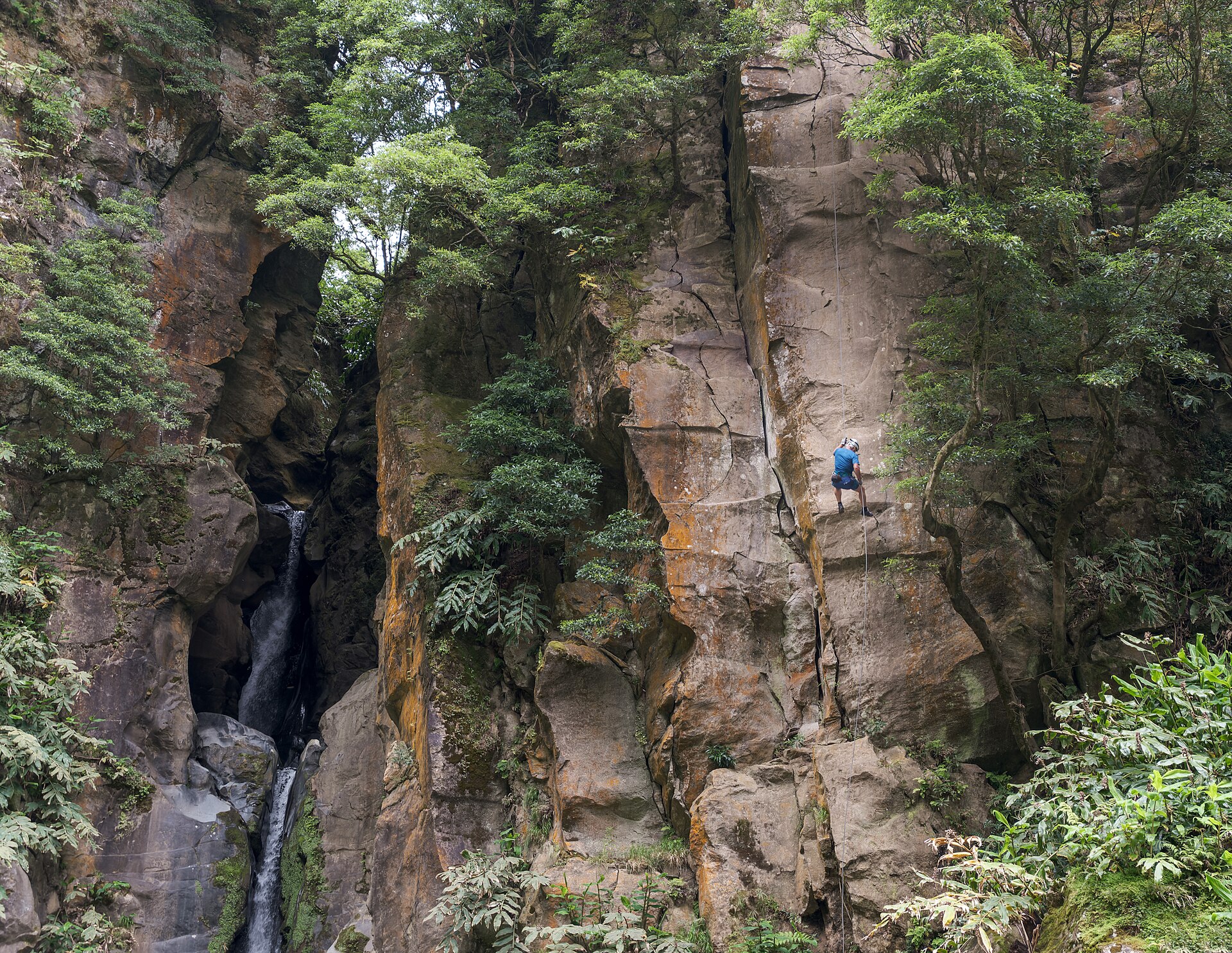
São Miguel, São Jorge and Flores offer recognized conditions for canyoning. Flores has varied itineraries; São Jorge stands out for its larger verticals; São Miguel brings together simpler initiation and access options. Santa Maria and Faial have specific proposals. Never choose just for the video. Ask rappel height, optional jumps, flow rate, duration, approach and departure. A good operator adapts the route and can cancel it due to rain. The service must include helmet, harness, suit, technical material, insurance and qualified guide. Reports fear of heights, swimming, injuries and medication.Affiliate link
What happens at a canyoning initiation
The activity begins with equipment and briefing. Learn descent position, communication and movement on wet rock. Heels should never be mandatory; there is usually a technical alternative. The water can be cold even in summer. Thermal clothing and appropriate clothing reduce discomfort. Bring a towel, dry clothes and shoes that the operator accepts. Do not carry loose objects. Glasses require restraints and photographic equipment must be authorized. The guide decides rhythm and order.Active roadmap and recovery
In São Miguel, alternate Lagoa do Fogo, Sete Cidades or Salto do Prego with a day of canyoning. In Flores, avoid booking a major trail and canyon on the same day. In São Jorge, considers logistics of fajãs and leg recovery. Leaves a flexible day for weather. Thermal spas, interpretive centers and gastronomy are valid alternatives, not consolation prizes. Choose accommodation close to the activity when departure is early. Driving for a long time after exertion and wet clothes increases fatigue.How to interpret difficulty on an Azorean trail
Distance and unevenness don't tell the whole story. Mud, roots, wet volcanic rock, wind, exposure and water crossings can greatly increase the effort. Check the official route information, opening status and forecast. If the trail is linear, plan your return transportation before you start. Never rely on getting a taxi in a remote area without confirmation. Start early, inform someone about the route and take water, food, waterproof layer and battery. Download the map for offline use. If visibility disappears, the flow increases, or the terrain is no longer safe, returning is the correct decision.Canyoning: essential questions for the operator
Confirms technical level, maximum rappel height, mandatory or optional jumps, water temperature, group size and guide experience. Ask if isothermal suit, helmet, harness, footwear and insurance are included. A good operator asks for weight, height, physical condition and medical information before assigning material. Don't hide your fear of heights, difficulty swimming or injuries. Many routes have beginner versions and jumps can be replaced by rope descents, but this needs to be agreed upon. Cancellation due to rain or flood protects the group; read the policy and leave space in the itinerary to reschedule.Choose the right island for an active trip
São Miguel offers a greater variety of operators and combines trails, lagoons, coast and canyoning. Flores stands out for its waterfalls and very humid landscapes, requiring meteorological flexibility. São Jorge is strong in fajãs and linear routes with its own logistics. Pico combines coast and mountains, but climbing Pico Mountain is a specific activity that requires preparation and its own rules. Don't try to do a demanding activity on the day of arrival or before a flight. Delays, fatigue and changes in time can compromise safety. Two well-chosen bases produce a better active trip than daily accommodation changes.Recovery, insurance and minimal impact
Take time to dry gear, eat, and recover. Persistent pain, cold or exhaustion should not be ignored. Check whether the insurance covers hiking at altitude, canyoning and rescue; “outdoor activities” may have exclusions. Saves emergency contacts and the location of the accommodation. On the trails, stay on track, close gates, don't disturb livestock and clean mud from your shoes between islands to reduce the transport of seeds and organisms. When canyoning, follow the guide and avoid cosmetics that contaminate the water. The responsible adventure is also measured by the state the place is in after the group passes by.Active itinerary for a week with weather margin
In São Miguel, reserve three days for a lagoon trail, a canyoning activity and a coastal route, leaving a fourth day flexible. If you combine another island, choose it according to your objective: São Jorge for fajãs, Pico for mountains and vineyards, or Flores for waterfalls. Stay at least three nights on the second island; overnight trips increase the risk of missing activities due to wind. Place canyoning and more demanding trails at the beginning of each block, but never on the day immediately after a late arrival. Keep a light day before your return flight. Operators can change the location of the activity to find better conditions; asks how much shipping is included and where it ends.Travel in a group without turning risk into pressure
The pace should be set by the least experienced person, not the fastest. Before leaving, combine decision points, return time and signs of discomfort. No one should feel obliged to jump, rappel or continue a trail so as not to delay the group. A professional guide creates alternatives and maintains clear communication. If you travel without a guide, reduce your ambition, don't separate yourself and take the material you know how to use. Applications and videos do not replace local assessment of flow, wind and terrain. When in doubt, choose a short route and return with energy.How to organize transport for linear routes
Many trails end far from the starting point. Confirm whether there is a taxi, transfer, bus or pick-up from the operator and book when necessary. Don't leave the solution until the end of the journey, especially in the late afternoon. If you use two vehicles, check parking is permitted at both ends and do not leave objects visible. When renting a car, choose appropriate coverage and assistance, but do not drive on paths prohibited by the contract. Rural access does not mean automobile access. Park without blocking property, agriculture or emergency. On rainy days, a narrow road may require more time than the map indicates. For canyoning, ask if the transfer departs from the office or from the accommodation itself. Knowing where the activity ends helps you prepare dry clothing, food and the return journey.Practical plan before booking
Canyoning
Licensed operator, insurance and actual level.Time
Verification on the same day and alternative plan.Equipment
Grip, waterproof, water, battery and dry suit.Experiences for your trip: São Miguel / Terceira
Compare meeting points, times and inclusions before booking. Availability depends on your dates and local conditions.
Affiliate link
FAQ
What is the best trail in the Azores?
There is no single best. Choose by island, physical condition, weather and desired landscape.Can I walk alone?
It is possible on suitable routes, but inform someone and avoid isolated routes without experience.Where to go canyoning?
São Miguel, Flores and São Jorge have a concentration of options; level and verticals vary.Do you need to know how to swim?
Depends on the route, but you must inform the operator and feel comfortable in the water.Are jumps mandatory?
In a responsible service there are alternatives; confirm first.What to do if it rains?
Heavy rain can close trails and canyons. Respect cancellation and use plan B.What shoes to wear?
Trail boots or shoes with grip; canyoning follows operator instructions.Do I need a car?
Easy access on many islands, but linear routes may require a transfer or taxi.Check the trail code
Look up the route’s PR or PRC code in the official alerts before setting out. One trail may be closed while others on the same island remain open. Save an alternative nearby; an old route downloaded to your phone is not permission to enter.