



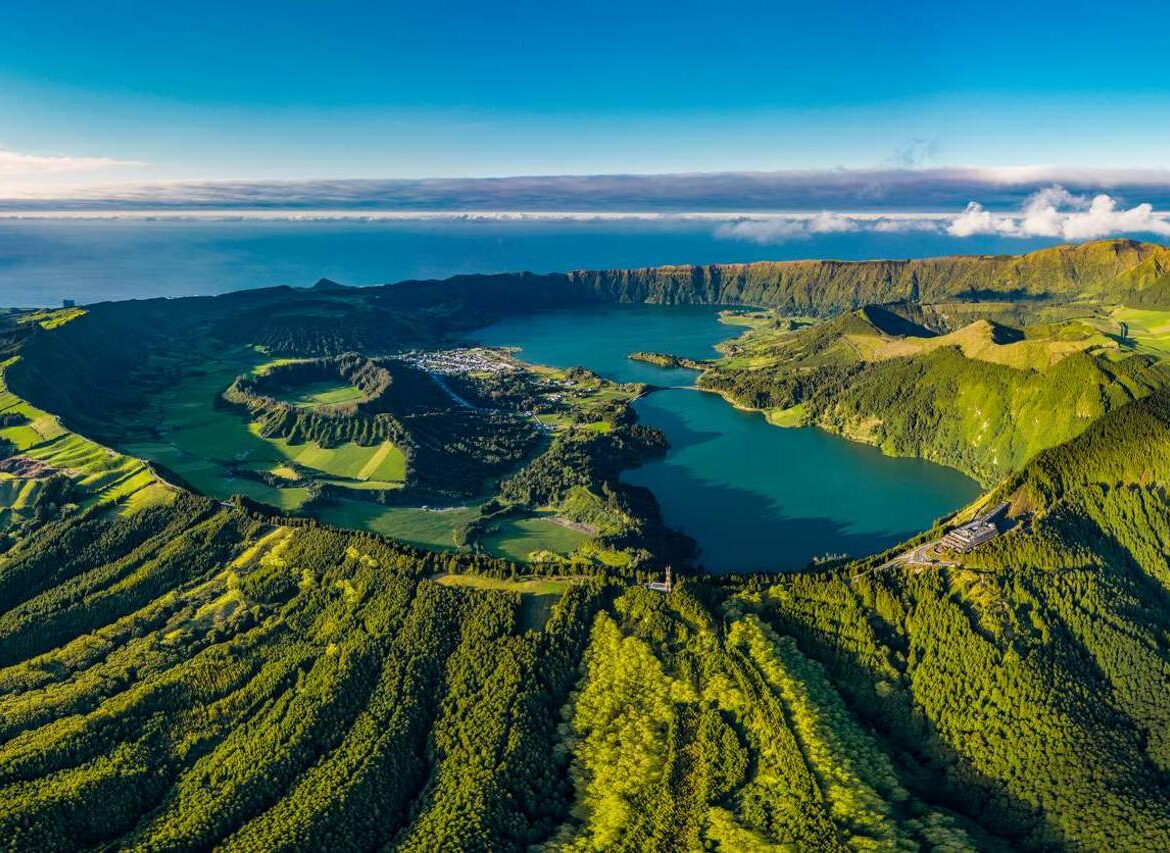
When to visit the Azores: quick answer
For more stable weather and a greater range of tourist options, choose June to September; for tranquility and potentially lower prices, consider spring or autumn. Winter remains a viable option, especially in São Miguel and Terceira, but requires flexibility in the face of rain, wind, and changes in sea conditions.
There is no single perfect month: the best date depends on the island, the main activity, and tolerance for weather changes.
Choosing the best time to visit the Azores is a more strategic decision than simply looking for the average temperature. The archipelago has an oceanic climate, microclimates, and rapid changes; a day can begin with fog on a lagoon and end with sunshine by the sea.
This guide compares seasons, prices, crowds, whale watching, hiking trails, hot springs, and island transfers. Its purpose is to help you choose realistic dates, reduce surprises, and book first what has the least margin for error: flights, car rentals, seasonal ferries, and well-located accommodation.
The best time to go depending on the type of trip.
Those seeking beaches, boat trips, and greater predictability tend to prefer summer. Those who value green landscapes, fewer visitors, and a slower pace may benefit from spring. Autumn and winter favor thermal baths, gastronomy, and stays concentrated on one island, provided the plan allows for changes.
First trip
June, early July, or September offer a balance of services and daylight hours, and lower pressure than August.
Nature and photography
Spring offers lush vegetation, flowers, and changeable weather, making a backup plan necessary.
Sea and cetaceans
Please confirm the seasonality of the species and the maritime operation; no departure is guaranteed by the calendar.
Budget
Compare the total cost of flight, car, and accommodation, not just the price per night.
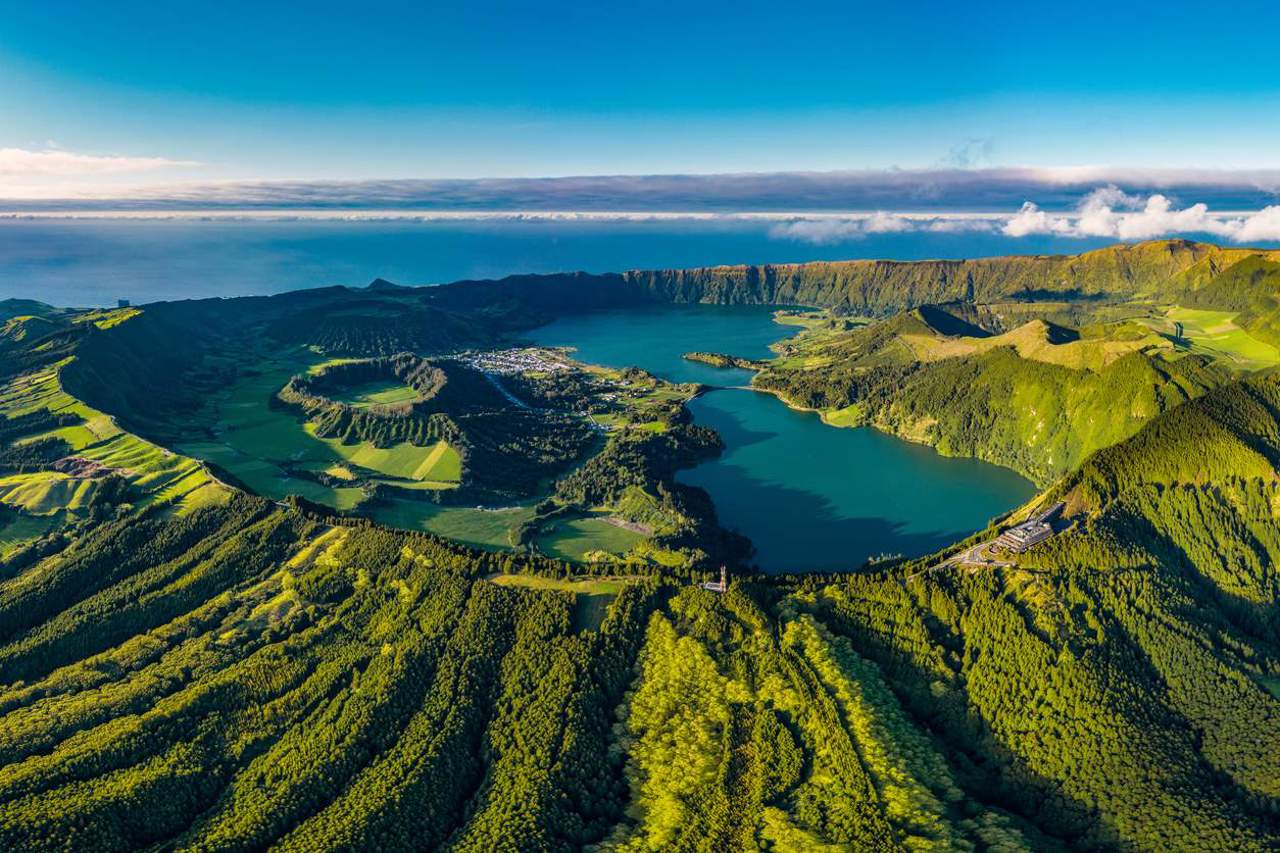
Azores in spring: March, April and May
Spring brings progressively longer days, greener slopes, and greater availability of sunlight than the peak of summer. March can still be unstable; April offers better light; May is usually a good window for those who can tolerate occasional rain and want to avoid August.
Bring a lightweight raincoat, shoes with good grip, and layer your clothing. At viewpoints, wait a few minutes before giving up: the cloud might lift. Book activities with a change policy and leave some flexibility for the day at the end.
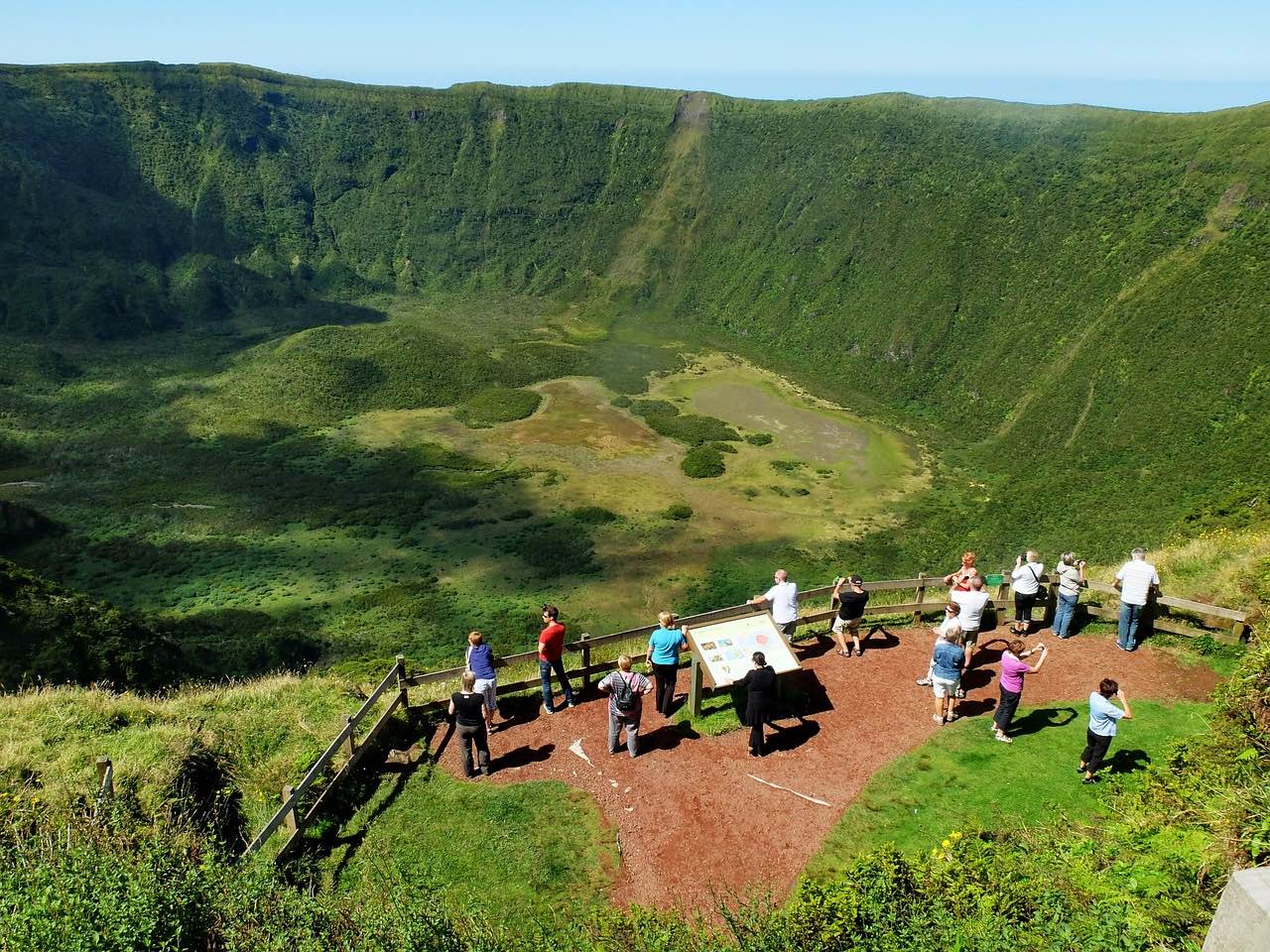
Azores in summer: June to September
This is the period with the highest demand, the most connections, and the best average conditions for combining island visits. July and August are peak seasons for families, parties, and rental cars; September can maintain pleasant conditions with less intensity, although nothing eliminates wind or rain.
For summer travel, book flights, accommodation, and car rental first. On small islands, availability sells out sooner than the map suggests. Avoid planning an itinerary that relies on a single boat trip on the last day.
- Book your car early and confirm the fuel and deposit policy.
- Schedule maritime activities for the start of your stay.
- Set aside an afternoon to revisit a viewpoint that was obscured by clouds.
- Use sun protection even when it's cloudy and windy.
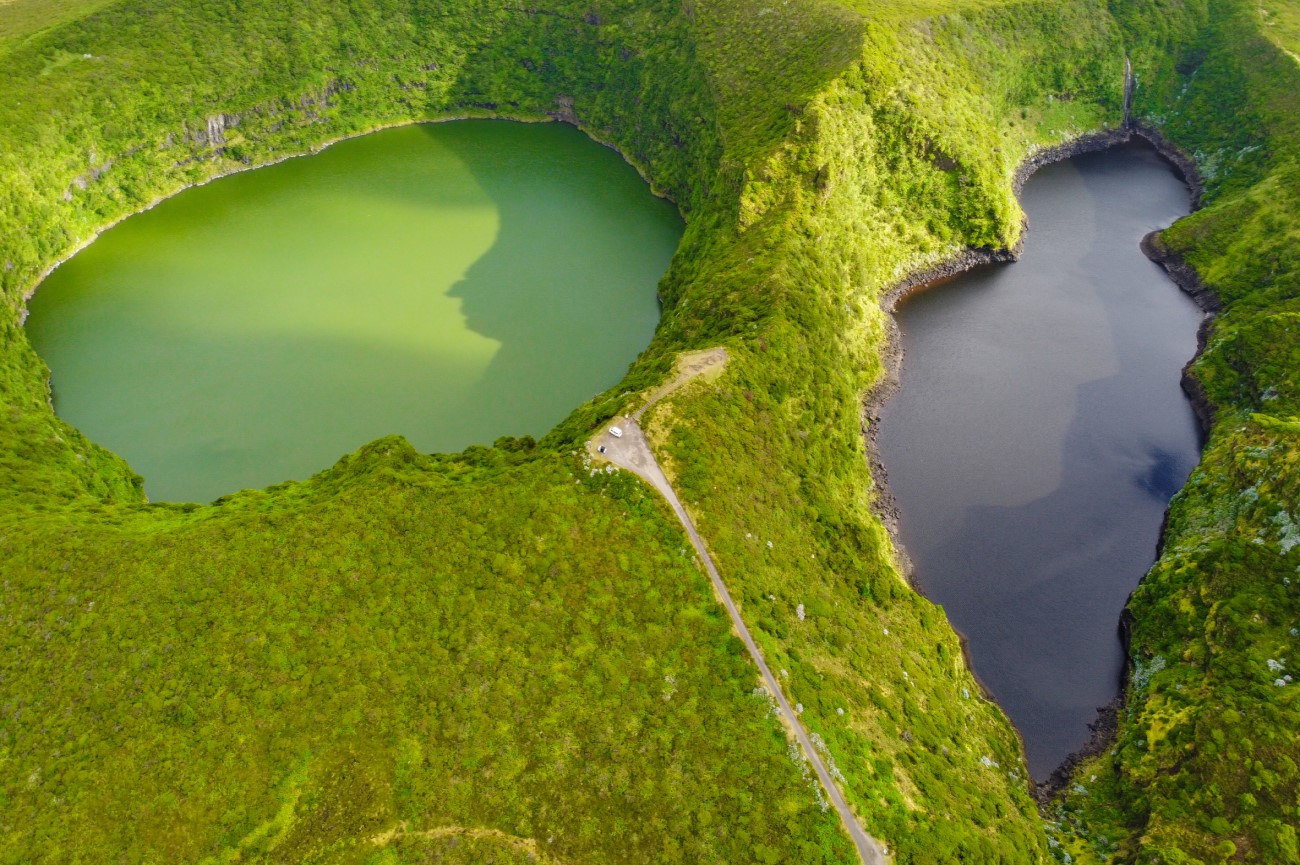
Azores in autumn: October and November
Autumn reduces tourist pressure and can offer bright days, but it increases the importance of confirming schedules, ferries, and seasonal experiences. October usually offers more leeway than November for outdoor activities.
An autumn trip works best when it focuses on an island with sufficient variety. São Miguel combines lagoons, thermal baths, coastline and city; Terceira adds heritage and landscape; Faial or Pico require more attention to connections.
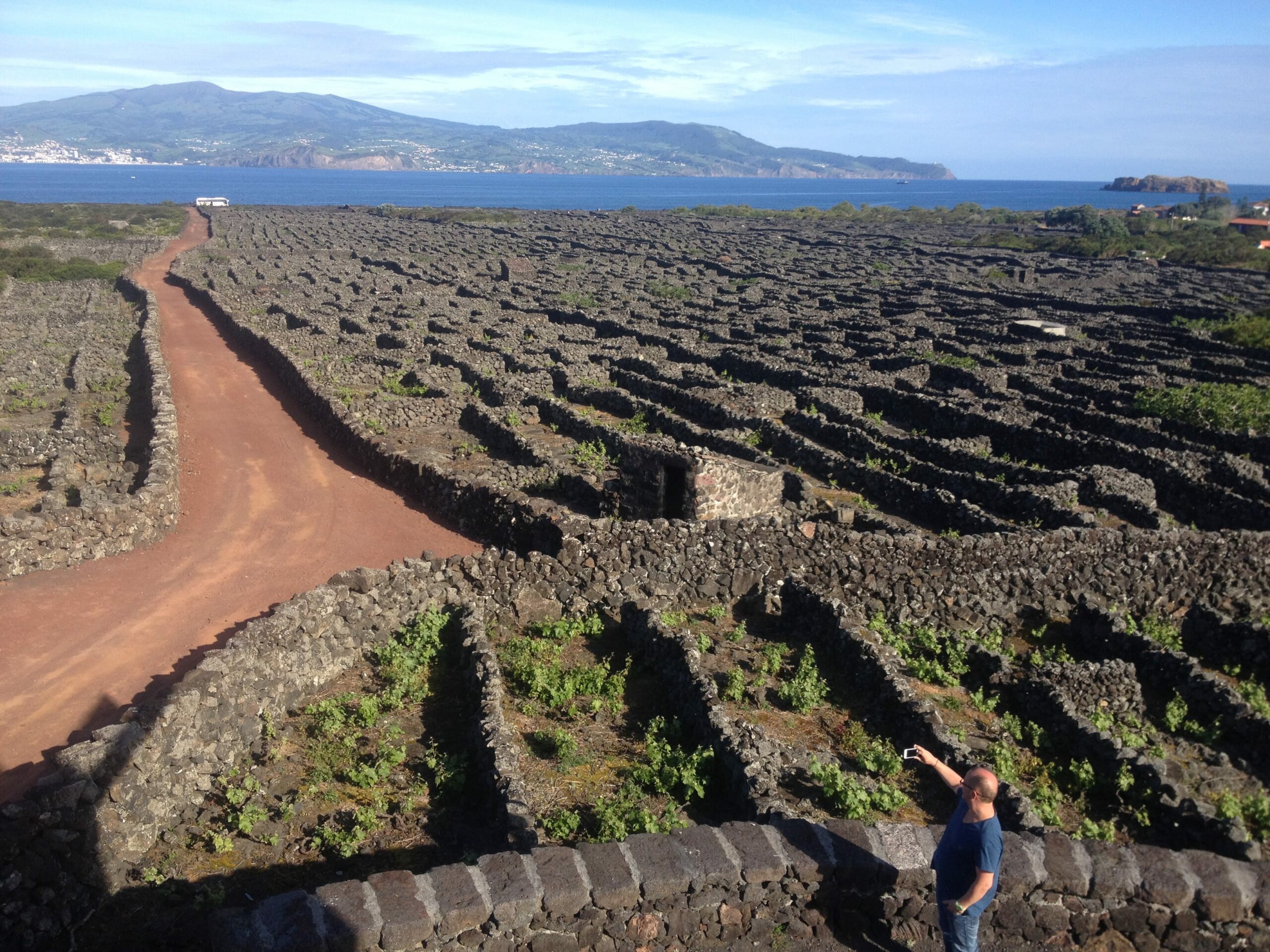
Azores in winter: December to February
Winter doesn't make the Azores inaccessible. It just makes planning different. Temperatures are moderate compared to many European destinations, but wind, rain, and waves can limit viewpoints, trails, and boat trips.
Choose a comfortable base, minimize island hopping, and prioritize hot springs, gastronomy, museums, and historical centers. Don't rely on a summer photograph to judge your January experience.
Good winter plan
São Miguel with Furnas, Ponta Delgada, Ribeira Grande and alternative inland destinations.
Common mistake
Booking a tight connection between islands and an international flight on the same day.
Climate, microclimates and forecasting: how to interpret them.
Regional forecasts do not describe every caldera, coastline, or altitude. Consult nearby weather sources, webcams, and local conditions. An app may indicate rain for the entire island when only one area is covered.
Plan in blocks: lagoons when visibility is good, the coast when the interior is overcast, and thermal baths or the city during rainy periods. This adaptation is more valuable than trying to predict the exact time of sunshine months in advance.
Prices and reservations throughout the year.
Prices depend on demand, island, events, air capacity, and how far in advance you book. August isn't automatically the only expensive month, and a local festival can quickly reduce availability. Compare nearby dates and consider staying longer on one basis instead of constantly switching.
In summer, booking early reduces risk. Outside of peak season, confirm that the savings compensate for the reduced frequency of transport and activities. The best fare is the one that remains functional for your itinerary.
Affiliate links: we may earn a commission at no extra cost to you.
How to choose the right month in five steps
First, define your priority experience; then choose the islands; confirm connections; compare the total cost; and only then finalize your schedule. Those who intend to climb Pico Mountain have different needs than those seeking thermal baths in Furnas.
Use our 7, 10, and 14-day Azores itineraries to see how many islands you can fit into without turning your vacation into a series of airport visits.
- Priority: hiking trails, sea, culture, hot springs, or photography.
- Islands suitable for this priority.
- Connections were actually operational on the dates.
- Total price and cancellation policy.
- A flexible day as a weather buffer.
How to turn this guide into a realistic plan.
Start by writing down the main objective of your trip and the limit you don't want to exceed on a single line. This could be driving for a maximum of one hour per day, staying near the beach, ensuring snow, avoiding changes of accommodation, or sticking to your overall budget. This sentence helps eliminate options that look good on the map but are incompatible with the actual trip.
Next, confirm island locations, inter-island flights, ocean weather, and vehicle availability. Only when these elements are clear should you book secondary experiences. In the Azores, an efficient itinerary allows for weather, traffic, or fatigue and avoids relying on a single attraction to justify the entire day.
Planning for 3, 5 and 7 days
3-day getaway
Choose one base and two priorities. The first day should focus on arrival; the second concentrates on the main experience; the third is close to the departure route. Don't use a short trip to test multiple bases, because check-ins and baggage will consume what seemed like available time.
5-day trip
Add an excursion, a nature day, or a second zone, keeping at least half a day flexible. Five days allows you to alternate between activity and rest, and correct a choice affected by the weather without eliminating the rest of the itinerary.
7-day holiday
In a week, allocate three essential days, two complementary days, and two light blocks. Repeating a beach, a valley, or a city is not a waste: it reduces travel and improves the experience. A week should only have two bases when there is a clear geographical reason.
Budget: compare the total cost
The price per night is only one part of the equation. Add in arrival transport, transfers, parking, meals, entrance fees, equipment, and cancellation fees. Central accommodation might cost more but save you two taxi fares a day; a detached house might be excellent for a group with a car but not very practical for someone without a car.
Book the less popular options first and leave the locally arranged arrangements for later. Read the cancellation policy and don't confuse non-refundable fares with automatic savings. Flexibility is valuable when your trip depends on sea, mountains, or connecting flights.
Safety and up-to-date information
Schedules, access routes, trails, roads, and sea conditions are subject to change. Consult official sources closer to the date and reconfirm the day before. An old publication or photograph is not a substitute for signage, weather warnings, or local instructions.
Save documents, addresses, and reservations offline. Share the demanding activity plan and don't force a step to meet the schedule. Changing the route due to rain, heat, wind, or snow is a quality decision, not a failure.
Travel with respect for your destination.
Park only where permitted, take your trash with you, keep your distance from animals, and respect private property. In historical centers and residential buildings, reduce noise and follow the rules of the accommodation. Tourism growth is only sustainable when visits do not worsen the daily lives of those who live in the area.
Choose identified operators, local businesses, and experiences that explain the area. Do not remove rocks, plants, or other natural elements, and avoid creating new trails. Photographing a place does not require entering closed areas or blocking traffic.
How to evaluate climate forecasts and averages
Averages help compare months, but they don't describe a specific week. Consider temperature, precipitation, wind, and daylight hours together. For beach weather, water temperature and coastal exposure matter; for mountain weather, altitude and thunderstorms are as important as the predicted maximum.
Create a list of activities for stable weather, another for reduced visibility, and a third for rain. This way, the date is no longer a binary gamble between sunshine and disaster. The best time is also when the traveler accepts the normal characteristics of the destination.
Seasonal bookings that deserve priority.
Flights, small accommodations, cars, water activities, and snow equipment sell out at different rates. Book the bottleneck of your itinerary before buying abundant experiences. When traveling outside of peak season, confirm the opposite: whether the service will actually be open.
Mistakes that reduce the quality of the trip.
- Book before confirming logistics: turn maps, schedules, and conditions into concrete decisions.
- Fill it up every day: leave room for breaks and changes.
- Choosing solely based on price: compare the total cost and the time lost.
- Ignore recent reviews: services, noise, and access may change.
- Relying on a single experience: always prepare a coherent alternative.
Final checklist before booking
- Main objective and pace of the trip defined.
- The base was chosen for logistical reasons, not just for photography.
- Transportation, parking, or transfers confirmed.
- Seasonal activities verified by official source.
- Cancellation, insurance, and documentation reviewed.
- A flexible block kept in the itinerary.
Quick decision
If it's your first visit and you want balance, choose June or September. For school holidays and more options, book early in July or August. For tranquility, spring or early autumn work well. In winter, focus on one island and travel with a flexible plan.
Experiences for your trip: São Miguel / Pico / Terceira
Compare meeting points, times and inclusions before booking. Availability depends on your dates and local conditions.
Affiliate link
Frequently asked questions about the best time to visit the Azores.
What is the best month to visit the Azores?
June and September usually offer a good balance, but the choice depends on the activities and islands.
Is August too crowded?
It's the busiest month on many islands; booking early reduces problems with cars and accommodation.
Is it worth visiting the Azores in winter?
Yes, with a versatile base and a plan that can handle rain, wind, and changes in sea conditions.
When is it cheapest to travel?
Often outside of summer, but compare flight, car, schedules and overall availability.
What is the best time to see whales?
Species availability varies. Consult responsible operators and up-to-date seasonal information.
Is the weather still good in September?
It may have pleasant conditions and lower demand, but there is no guarantee of daily stability.
How many days should I book considering the weather?
Add at least one flexible day, especially for maritime or mountain activities.
Can I combine islands in autumn?
Yes, as long as you confirm frequencies and don't create overly tight connections.
Sources and credits: information confirmed on official tourism, transport, weather and local authority websites. Real images from the AL Rental media library, with credits and licences associated with the original files.